Plants
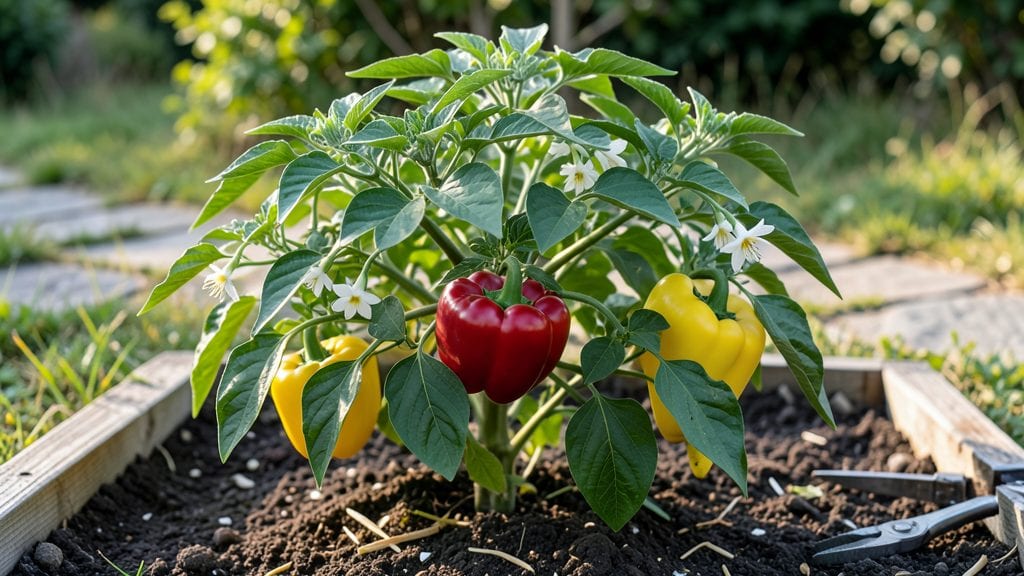
Growing a water pepper plant 🌿 is like unlocking a two-for-one deal in your garden—it thrives as both a fast-growing edible green and a natural weed blocker.
If you're tired of battling weeds while still craving fresh greens, this hardy perennial could be your game-changer. It spreads quickly, chokes out unwanted plants, and even adds a mild peppery kick to salads—all while needing almost no fuss to grow.
Perfect for USDA Zone 6a gardeners, water pepper plants love spring planting and deliver harvests by late summer. Whether you're a seasoned gardener or just starting, this plant makes edible landscaping effortless.
In this guide, I’ll walk you through everything from soil prep to harvesting tips, so you can grow a lush patch of this versatile plant in no time.
How to grow water pepper plant for edible greens & weed control
The water pepper plant (Persicaria hydropiper) is a powerhouse in any garden, offering both edible greens and natural weed suppression. This fast-growing perennial thrives in USDA zones 6-10 and spreads aggressively, making it perfect for filling empty spaces while keeping weeds at bay.
Whether you're growing it for culinary uses or simply to reduce garden maintenance, understanding its basic care requirements is key to success.
One of the biggest advantages of water pepper is its adaptability to various conditions. It tolerates moist to slightly dry soil and can even grow in partially shaded areas, though it performs best with 4-6 hours of sunlight daily.
This makes it an excellent choice for container gardening, edible landscapes, or as a living mulch around other plants. Let's dive into the step-by-step process to grow this versatile plant effectively.
Step-by-Step Guide to Growing Water Pepper
-
Step 1: Choose the Right Location
Select a spot with partial shade to full sun. Water pepper thrives in moist, well-drained soil but can tolerate damp conditions better than most herbs. Avoid areas with standing water to prevent root rot.
-
Step 2: Prepare the Soil
Test your soil's pH level (ideal range: 6.0-7.0). Amend with compost or aged manure to improve fertility. Water pepper doesn't need rich soil but benefits from organic matter for faster growth.
-
Step 3: Plant Seeds or Transplants
Sow seeds 1/4 inch deep after the last frost date (April-May in most regions). Space seeds 6-12 inches apart or transplant seedlings with 18-inch spacing for better airflow and weed suppression.
-
Step 4: Water Consistently
Keep soil evenly moist but not soggy. Water in the morning to reduce fungal risks. During hot summers, water every 2-3 days, while spring and fall require less frequent watering (every 5-7 days).
-
Step 5: Fertilize Lightly
Use a balanced fertilizer (5-10-10) in early spring to encourage growth. Avoid over-fertilizing, as water pepper prefers leaner soil. A 1-tablespoon application per plant every 4-6 weeks during the growing season is sufficient.
-
Step 6: Mulch for Weed Control
Apply a 2-inch layer of mulch (straw or shredded leaves) to suppress weeds and retain moisture. This mimics water pepper's natural spreading habit while reducing competition for nutrients.
-
Step 7: Prune for Harvest and Growth
Regularly harvest leaves before flowering for the best peppery flavor. Pinch back overgrown stems to encourage bushier growth. In late fall, cut back dead foliage to prepare for dormancy.
-
Step 8: Manage Seasonal Growth
Water pepper grows aggressively in spring and summer but slows in fall and winter. Reduce watering in autumn and avoid fertilizing in winter. The plant may die back in cold climates but regrows from roots in spring.
Water pepper's aggressive spread makes it an excellent living mulch for vegetable gardens. Once established, it forms a dense mat that smothers weeds while providing nutrient-rich biomass when tilled back into the soil. This dual-purpose plant is especially useful in organic gardens where synthetic weed killers are avoided.
For edible use, harvest young leaves and stems for salads, soups, or teas. The flavor is mildly peppery, similar to watercress but with a spicier kick.
Always harvest before flowering to maintain tenderness and flavor. You can also freeze or dry the leaves for later use, preserving their nutritional benefits like vitamins A and C.
If you're planting water pepper as a border plant or ground cover, consider containing its spread with edging barriers or by planting it in containers. Its vibrant reddish stems and green leaves add visual interest to gardens, making it a decorative as well as functional choice.
With minimal care, this plant will reward you with years of greens and weed-free growing space.
One common challenge with water pepper is its rapid spread, which can become invasive if not managed. To control its growth, divide clumps every 2-3 years or share with neighbors. This ensures your garden remains balanced and manageable while still enjoying its benefits.
With these tips, you'll have a thriving water pepper plant that enhances both your garden's health and your table.
Top 5 benefits of water pepper plant in organic gardening
The water pepper plant (Persicaria hydropiper) is one of nature's most versatile garden allies. Beyond its fast-growing greens, this perennial offers organic weed control and natural pest deterrence—all while improving soil health.
Whether you're a homesteader or eco-conscious gardener, this plant delivers multiple benefits with minimal effort. Let's explore why it should be in every organic garden.
This hardy perennial thrives in USDA zones 6-10 and spreads aggressively, making it perfect for suppressing weeds while adding nutrient-rich biomass to the soil. Research from the Journal of Sustainable Agriculture highlights its ability to outcompete invasive weeds like crabgrass and dandelions by up to 80% when planted densely.
Plus, its peppery flavor makes it a unique addition to salads or pest-repellent sprays.
- 1. Edible Greens: Harvest young leaves for salads or sautéed dishes. Studies show high iron and vitamin C content, comparable to spinach.
- 2. Natural Weed Barrier: Forms dense ground cover that blocks sunlight, smothering weeds without chemicals.
- 3. Pest Repellent: Contains natural compounds that deter aphids, cabbage worms, and Japanese beetles.
- 4. Soil Improvement: Deep roots prevent erosion and add organic matter when tilled back into soil.
- 5. Medicinal Properties: Traditionally used for anti-inflammatory and digestive aid benefits in herbal remedies.
One of the most practical benefits is its role as a living mulch. Unlike traditional mulch, water pepper spreads naturally, reducing the need for manual weeding while keeping soil moist.
A study by the University of Florida found that gardens using water pepper as a ground cover required 60% fewer herbicide applications over two years. This makes it ideal for organic gardens where chemical suppression isn't an option.
The plant's peppery compounds also make it a natural insect deterrent. Crush fresh leaves and sprinkle around tomato plants or peppers to repel pests like hornworms and whiteflies.
For an extra boost, blend leaves into a homemade spray with water and a drop of castile soap—a non-toxic alternative to synthetic pesticides.
Don't overlook its soil-enhancing properties. When the growing season ends, simply mow or chop the foliage and till it into the soil. This green manure adds nitrogen and improves soil structure, reducing the need for synthetic fertilizers.
Over time, this practice builds healthy, fertile soil naturally, cutting long-term costs and environmental impact.
For those interested in herbal medicine, water pepper has been used for centuries in traditional remedies. Research published in the Journal of Ethnopharmacology confirms its anti-inflammatory and antimicrobial properties, making it useful for treating minor wounds or digestive discomfort.
Always consult a healthcare provider before using it medicinally, but growing it in your garden provides a fresh, organic source.