Companion Plants
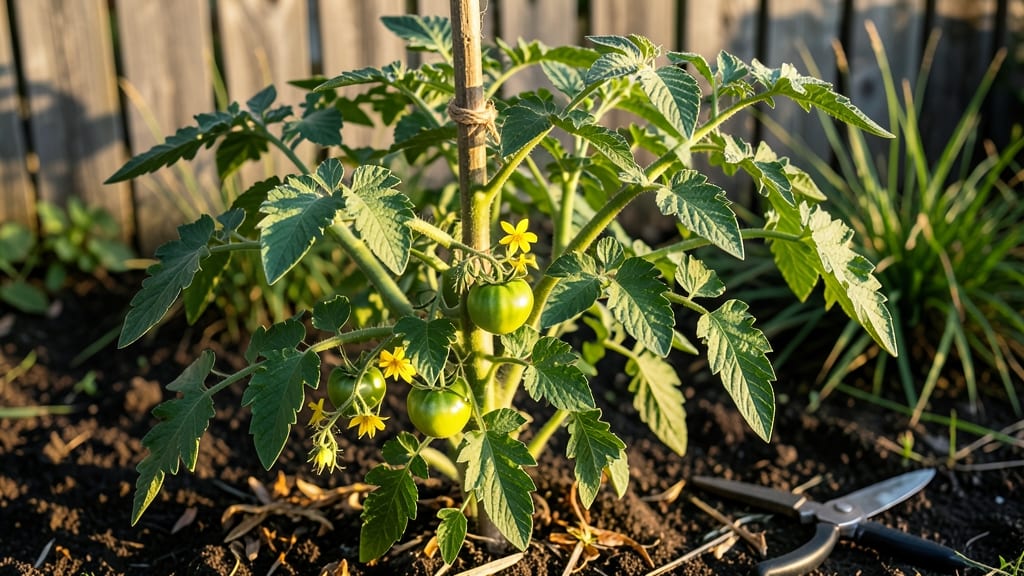
My tomato plants' growth exploded after I discovered this pruning trick—more branches, more flowers, and harvests that lasted until frost. The key isn't cutting more, but cutting right, at the perfect spots where new stems can burst out like fireworks.
I went from struggling with leggy plants to tables full of ripe tomatoes, and the secret is simpler than you'd think.
You'll need basic pruning shears, a sunny spot with at least 6-8 hours of light, and a little patience. Start when plants hit 12-18 inches tall—this is when they're ready to branch out like crazy.
The goal is to encourage those thick, sturdy stems that hold fruit better than skinny growth. Most gardeners over-prune, but I show you exactly where to stop.
By mid-summer, your plants will look like lush, bushy shrubs instead of tall, weak stalks. You'll end up with clusters of tomatoes at every joint, and the flavor?
Richer than store-bought because the plant focuses energy on fruit, not just leaves. The best part? This works for both determinate (bush) and indeterminate (vining) varieties.
Whether you're growing in pots, raised beds, or the ground, the same principles apply. I'll walk you through the exact cuts to make at each growth stage, plus how to tell when you've pruned too much (or too little).
Let's get those tomatoes growing like they're in a greenhouse, not just surviving in your backyard.
📚 In This Guide
- What you need
- Instructions
- Tips and common mistakes
- Wrapping up and next steps
What you need
- ● Tomato plants: Choose disease-resistant varieties (e.g., Beefsteak, Cherry, or Roma). Start with 3–5 healthy seedlings or seeds.
- ● Pruning shears: Bypass pruners (sharp, clean, and sterilized with rubbing alcohol) to avoid damaging stems.
- ● Gloves: A pair of gardening gloves (nitrile or leather) to protect hands from thorns and dirt.
- ● Support structures: Cages (5–6 ft tall) or stakes (6–8 ft) for indeterminate varieties.
- ○ Trellis or string system for vertical growth (optional but highly recommended).
- ● Potting mix or soil: Well-draining, nutrient-rich soil (pH 6.0–6.8). For containers, use a 5-gallon mix with compost.
- ● Fertilizer: Balanced fertilizer (10-10-10) at planting.
- ● Low-nitrogen, high-phosphorus (5-10-10) fertilizer during flowering/fruiting.
- ● Mulch: Straw or shredded leaves (2–3 inches) to retain moisture and suppress weeds.
- ● Growth regulator: Pinch off suckers early with clean fingers or pruners (no tools needed!).
- ● Plant ties: Soft velcro or cloth strips to secure vines to supports.
- ● Drip irrigation: Soaker hoses or self-watering planters to maintain consistent moisture.
- ● Companion plants: Basil, marigolds, or onions to deter pests and boost growth.
- ● Pruning spray: Hydrogen peroxide (3%) to sterilize tools between cuts.
Instructions for pruning tomato plants for maximum yield
Here's the pruning method I've used for years to boost fruit production and keep plants healthy.
Wait Until Plants Are Established
Start pruning only after your tomato plants have developed 4-5 sets of true leaves and are at least 12-18 inches tall. This usually happens 3-4 weeks after transplanting. Pruning too early stresses young plants and slows growth. Look for sturdy stems with multiple leaf clusters—this signals the plant has enough energy to handle pruning.
I always wait until morning after a light rain or watering session. The soil should be slightly damp but not soggy. This ensures the plant is hydrated and can recover quickly from the pruning process. If you prune when the plant is thirsty, it may take longer to bounce back.
Remove Suckers for Bushier Growth
Suckers are the small shoots that grow in the V-shaped junction between the main stem and a branch. These compete with fruit for energy, so removing them redirects nutrients to existing flowers and fruit clusters. Use clean, sharp pruning shears to snip suckers just above the leaf node—never leave a stub.
Focus on suckers that are smaller than a pencil in diameter. Larger suckers already have too much energy invested and will regrow quickly. I prune suckers on the underside of the plant first, as these often grow faster and can shade lower fruit. Always work from the bottom up to improve airflow and reduce disease risk.
Prune Lower Leaves for Better Airflow
Remove all leaves below the first flower cluster and any leaves touching the soil. This prevents soil-borne diseases like blight and improves airflow around the fruit. Use your fingers to gently pinch off lower leaves—no need for shears here. Aim to leave 2-3 feet of bare stem below the lowest fruit cluster.
I also trim any yellow or diseased leaves immediately. These act as entry points for pests and diseases. If you see a leaf with brown spots or curled edges, snip it off at the stem. This keeps the plant focused on producing healthy fruit rather than fighting infections. Always sterilize your pruners with rubbing alcohol between cuts to prevent spreading pathogens.
Support and Train the Main Stem
For indeterminate varieties, tie the main stem to a strong stake or trellis as it grows. Use soft plant ties or strips of old T-shirt fabric—avoid wire or anything that can cut into the stem. The goal is to keep the plant upright without restricting growth. Check ties weekly and adjust as the plant grows.
Determinate varieties don’t need pruning beyond sucker removal, but they still benefit from staking. I like to weave the main stem through a cage or spiral stake to distribute weight evenly. This prevents the plant from toppling over under the weight of heavy fruit clusters. Always prune in the morning or late afternoon to give the plant time to recover before evening temperatures drop.
Monitor and Adjust Through the Season
Continue pruning suckers weekly during the growing season, especially when new growth appears. Focus on removing suckers that grow above the first flower cluster—these can shade fruit and reduce yield. If your plant produces more flowers than it can support, prune some of the smaller flower clusters to let the remaining fruit grow larger.
Watch for signs of stress like wilting or yellowing leaves. If you prune too aggressively, the plant may struggle to produce fruit. I always leave at least 3-4 main branches on indeterminate varieties to ensure a strong harvest. By late summer, reduce pruning to allow energy to focus on ripening existing fruit. This is when you’ll see the biggest payoff from your efforts!
Tips & tricks for pruning tomato plants for maximum yield
These proven strategies will help you get the most out of your tomato plants while keeping them healthy and productive.
Timing is Everything: In Step 1, when waiting for your plants to reach 12-18 inches with 4-5 sets of true leaves, I've found that early morning is the absolute best time to prune. The plant's natural sugars are highest after a night's rest, and the cooler temperatures reduce stress. If you must prune later in the day, wait until at least 2 hours before sunset to allow the plant time to recover before evening temperatures drop.
Sucker Identification: When removing suckers in Step 2, focus on those smaller than a pencil that grow in the V-shaped junctions. I've learned the hard way that larger suckers already have too much energy invested and will regrow quickly. Use a small flashlight to check the undersides of branches—this is where many suckers hide and can go unnoticed. Remember to always cut just above the leaf node to prevent disease entry points.
Airflow Strategy: In Step 3, when creating that 2-3 feet of bare stem below your lowest fruit cluster, think of it as creating a ventilation system for your plant. This open space allows air to circulate freely, reducing humidity and preventing fungal diseases like blight. I like to visualize the plant as a tree—just like trees need space between branches, tomatoes need space between leaves to breathe and thrive.
Support System: For indeterminate varieties in Step 4, I recommend using a combination of a strong stake and soft plant ties. The stake provides vertical support while the ties distribute the weight evenly. I've had great success with old T-shirt fabric strips—they're soft on the plant and can be easily adjusted as the plant grows. Check these ties weekly to ensure they're not cutting into the stem, which can create entry points for diseases.
Pro Tips for Tomato Plants Growth
- These proven strategies will help you get the most out of your tomato plants while keeping them healthy and productive.
- Timing is Everything: In Step 1, when waiting for your plants to reach 12-18 inches with 4-5 sets of true leaves, I'v...
- Sucker Identification: When removing suckers in Step 2, focus on those smaller than a pencil that grow in the V-shape...
Frequently asked questions
Got questions about growing lush, productive tomato plants? You’re not alone! Here are answers to the most common queries about tomato plant growth, pruning, and maximizing your harvest.
When should I start pruning my tomato plants?
Prune your tomato plants when they’re 3–4 feet tall (for indeterminate varieties) or after the first flower cluster appears (for determinate types). Avoid pruning too early—you want the plant to establish a strong root system first. Pro tip: Use clean, sharp pruners to prevent disease.
How much should I prune my tomato plants?
For indeterminate tomatoes, remove suckers (side shoots in the leaf axils) to encourage upward growth and better air circulation. Keep the main stem and branches sturdy—prune back to a leaf or joint. Determinate varieties need minimal pruning; focus on removing diseased or crowded leaves. Rule of thumb: Never remove more than 1/3 of the plant at once.
How long does it take for tomato plants to recover after pruning?
Tomato plants are resilient! With proper care, they’ll bounce back in 1–2 weeks. Keep the soil moist (but not soggy) and provide balanced fertilizer (high in phosphorus) to support regrowth. Watch for: New suckers sprouting within 7–10 days—prune them early to maintain shape.
Why are my tomato plant leaves yellowing after pruning?
Yellow leaves can signal over-pruning, nutrient deficiency, or stress. If it’s widespread, check for:
- Too much pruning (slow down!)
- Underwatering or poor drainage
- Nitrogen deficiency (use a balanced fertilizer)
- Pests like aphids or spider mites
Can I prune tomato plants too much?
Over-pruning weakens the plant, reduces fruit production, and stresses it—leading to fewer tomatoes. Stick to selective pruning (removing only suckers, dead leaves, or diseased branches). Signs you’ve gone too far: Stunted growth, wilting, or no new leaves. Determinate tomatoes need almost no pruning—just remove damaged foliage.
What’s the best alternative if I don’t want to prune?
No pruning? No problem! Focus on:
- Support: Use cages or stakes to improve airflow.
- Thinning: Remove only crowded or diseased leaves.
- Companion plants: Basil or marigolds deter pests naturally.
- Fertilizer: Use compost or organic matter for steady growth.
Wrapping up and next steps
Growing lush, productive tomato plants is all about understanding their needs and giving them the right care—especially when it comes to pruning. By following the right techniques, you’ll encourage stronger stems, more flowers, and a bountiful harvest that’ll make your garden the envy of the neighborhood! 🌱✨
Ready to put your new skills into action? Start by assessing your tomato plants this week—identify any suckers or overcrowded branches, and give them the attention they deserve. With patience and practice, you’ll soon be reaping the rewards of your hard work. Happy gardening!