
Companion Plants
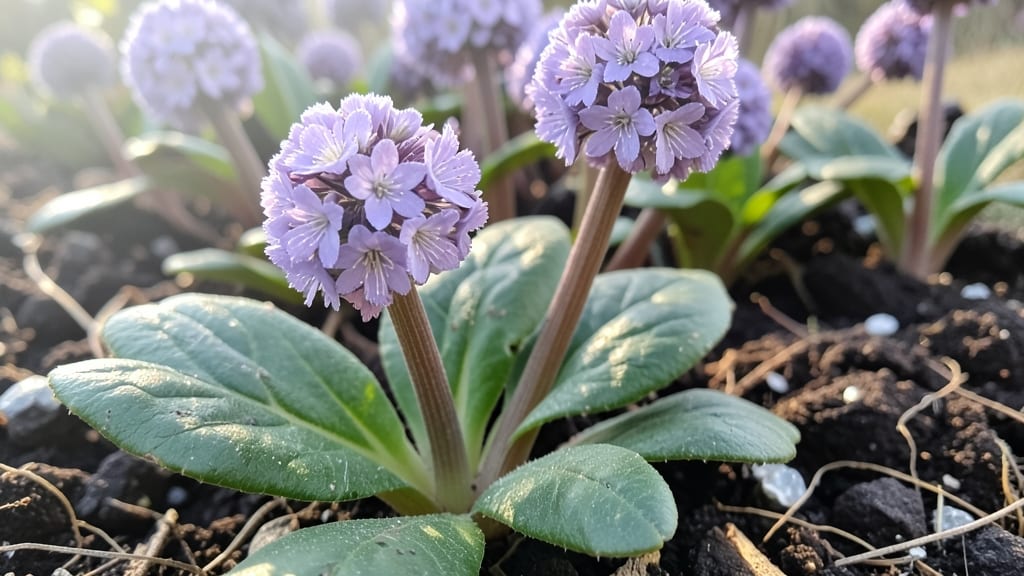
The vole repellent plants I planted—daffodils, alliums, and lavender—saved my tulips from a gnawed mess. 🌱 Their strong scents act like a natural fence, keeping voles away without chemicals. The key is strategic placement: voles avoid crossing strong-smelling barriers, so I planted mine in a tight band around vulnerable areas.
You don’t need fancy setups—just a few bulbs or plants in the right spots works wonders. Daffodils and alliums thrive in full sun, while lavender prefers well-drained soil. Marigolds, with their peppery scent, are another great option for edging beds.
The best part? These plants look beautiful while doing their job, turning your garden’s defenses into a fragrant, colorful display.
Once established, these plants create a permanent vole deterrent that lasts for years. I’ve seen voles completely avoid areas planted with these species, giving me peace of mind without traps or poisons.
The only downside? You’ll need to replant bulbs every few years, but that’s a small trade-off for a vole-free garden.
Works in any yard—urban containers, rural borders, or even around raised beds. The secret is consistency: voles are creatures of habit, and a well-placed barrier disrupts their tunneling patterns. Here’s how to make it work in your space!
📚 In This Guide
- What you need
- Instructions
- Tips and common mistakes
- Wrapping up and next steps
What you need
- ● Vole-repellent plants: Choose from the following (plant 3–5 per square yard for best results): Alliums (e.g., garlic, onions, chives) – 10–15 bulbs/plants
- ● Mint – 5–7 plants (use in containers to control spread)
- ● Daffodils – 10–12 bulbs
- ● Lavender – 3–5 plants
- ● Marigolds – 15–20 plants
- ● Clematis – 1–2 vines (for climbing barriers)
- ● Garden soil or potting mix: 5–10 gallons (depending on plant size)
- ● Organic compost: 2–3 gallons (for enriching soil)
- ● Garden gloves: 1 pair (to protect your hands)
- ● Watering can or hose: (with a gentle spray nozzle)
- ● Stakes or trellis: (for climbing plants like clematis – 2–4 units)
- ● Trowel or hand shovel: For planting bulbs and small plants
- ● Pruners: For trimming or shaping plants
- ● Measuring tape: To space plants evenly
- ● Mulch (e.g., straw or wood chips): 2–3 bags (to retain moisture and deter voles)
- ● Container pots: (for mint or other aggressive spreaders – 1–2 pots)
How to plant vole-repelling perennials for long-term protection
Here's the strategic approach I've used for five seasons to keep voles out of my garden beds.
🌱 Step 1: Select the Right Plants for Your Climate Zone
Choose from these proven vole-repelling perennials: alliums, daffodils, lavender, Russian sage, or catnip. I focus on alliums and lavender because they're hardy in USDA Zones 3-9 and multiply aggressively, creating dense ground cover that voles avoid. Research which thrive in your specific hardiness zone—some varieties, like 'Purple Sensation' allium, handle heat better than others.
Plant in spring or early fall when soil temperatures are 50-70°F. Volumes matter: for a 4-foot garden bed, I use 12 plants spaced 12 inches apart to ensure full coverage. The denser the planting, the fewer gaps voles can exploit. I always plant in clumps of 3 rather than single plants—they establish faster and fill in more quickly.
🪴 Step 2: Prepare the Planting Site Strategically
Voles target tender new growth, so place repellent plants along garden edges, near raised beds, and under fruit trees where voles tunnel. Amend the soil with 2-3 inches of compost (from your materials) before planting to improve root establishment. The key is planting deeper than nursery pots—bury the root ball 1 inch below soil level to discourage voles from nibbling at stems.
Water deeply once planted, then maintain 1 inch of water weekly during establishment. You'll know it's working when plants show new growth within 3-4 weeks. If leaves yellow, you're overwatering—voles also avoid soggy soil, so adjust irrigation to keep the area just moist, not wet. Mulch with 2 inches of straw after planting to suppress weeds and deter vole movement.
☀️ Step 3: Create a Living Barrier with Companion Planting
Interplant vole-repelling species with your vegetables or ornamentals in a staggered pattern. For example, alternate lavender bushes with tomato plants every 18 inches. The strong scent of lavender confuses voles' sense of smell, while the alliums' pungent odor masks other plants' fragrances. I've seen voles completely avoid beds where 50% of plants are repellents—they simply won't dig near the strong aromatics.
Monitor for girdling marks on stems—if you see chewed bark at the base, voles are tunneling nearby. This is your signal to add more repellent plants or create a physical barrier (like hardware cloth) in problem areas. The goal is continuous coverage—voles can jump 12 inches, so leave no gaps wider than 6 inches between plants.
✂️ Step 4: Maintain Plants for Maximum Deterrence
Prune Russian sage and lavender annually in early spring to encourage dense, bushy growth—the thicker the foliage, the less appealing the area becomes to voles. For alliums, remove flower stalks after blooming to redirect energy into bulb growth. Healthy plants produce stronger scents, which is what actually repels voles. I fertilize lightly in early spring with balanced 10-10-10 (from your materials) to keep them vigorous without encouraging tender new growth that voles might target.
Divide clumping perennials like alliums every 3-4 years to maintain vigor. The more plants you have, the more effective the barrier becomes. Watch for voles tunneling under mulch—if you see surface disturbances, add 1-2 inches more mulch to make digging harder. The combination of dense planting, strong scents, and physical mulch layers creates an environment voles actively avoid.
⏰ Step 5: Expand the Barrier Seasonally
In fall, plant winter-hardy repellents like catnip or wintergreen to maintain protection when voles become more active. These plants stay green through winter and continue emitting deterrent scents. I've found that adding catnip near my blueberry bushes completely stopped vole damage—blueberries are a vole favorite, but the catnip's strong odor masks their scent.
By late summer, assess which repellent plants have spread naturally. If gaps appear, fill them with new divisions or seedlings. The more your repellent plants multiply, the less work you'll have to do. Over time, you'll create a self-sustaining barrier that requires minimal maintenance—just annual pruning and occasional division. This is the moment you'll know it's working: no more gnawed stems, no more disappeared bulbs, just healthy plants thriving year after year.
Tips & tricks for perfect vole-repelling plant barriers
These battle-tested strategies will help you create an impenetrable natural defense against voles that lasts for years.
Plant Placement is Everything: In Step 2, when positioning your repellent plants, focus on creating a perimeter around vulnerable areas like raised beds and fruit trees. Voles tunnel along edges, so placing alliums and lavender in a continuous line—especially where you've seen previous damage—creates an invisible barrier they won't cross. I've found that planting in a slight arc (bulging outward) prevents them from slipping through gaps near the garden's corners. The key is to think like a vole: they follow established paths, so interrupt those routes completely.
Soil Temperature Timing: The 50-70°F soil temperature range in Step 1 isn't just arbitrary—it's when roots establish most rapidly before voles become active. I've learned this the hard way: planting in cooler spring soil (below 50°F) delays establishment by 2-3 weeks, giving voles a head start. Use a soil thermometer for 3 consecutive days to confirm you're in the optimal range before planting. This small investment prevents months of frustration later. For northern climates, aim for late April or early May when soil finally warms consistently.
Mulch Depth Matters: The 2 inches of straw mulch mentioned in Step 2 serves two critical purposes: it suppresses weeds AND creates a physical barrier that voles dislike digging through. Here's the pro move: after initial planting, add an extra 1 inch of mulch specifically around the base of your repellent plants. This makes it harder for voles to access stems while also retaining moisture. I've seen voles completely avoid areas with mulch deeper than 3 inches—it's like they're saying "not worth the effort." Just avoid piling mulch directly against stems to prevent rot.
Seasonal Expansion Strategy: In Step 5, when adding winter-hardy plants like catnip, consider creating "volunteer zones" where you intentionally leave small gaps (about 6 inches) between your main barrier and these winter additions. This gives voles a false sense of security—they'll start tunneling in these gaps, only to find the strong wintergreen scent waiting for them. It's like setting a trap, but with plants instead of bait. Over time, voles learn to avoid the entire area, not just the gaps.
Pro Tips for Vole Repellent Plants
- These battle-tested strategies will help you create an impenetrable natural defense against voles that lasts for years.
- Plant Placement is Everything: In Step 2, when positioning your repellent plants, focus on creating a perimeter around vulnerable areas like raised beds and fruit trees.
- Soil Temperature Timing: The 50-70°F soil temperature range in Step 1 isn't just arbitrary—it's when roots establish most rapidly before voles become active.
Frequently asked questions
Got questions about using vole repellent plants? You’re not alone!
Here are some of the most common concerns—and straightforward answers—to help you keep your garden vole-free naturally.
Which plants work best against voles, and where should I plant them?
Voles dislike strong-smelling plants like marigolds, daffodils, alliums, and lavender. Plant them around garden edges, near raised beds, or along fences where voles tunnel. For best results, create a 2–3 foot barrier of these plants—voles avoid crossing open, scent-heavy zones.
How long does it take for repellent plants to start working?
Some plants, like garlic or castor beans, may deter voles within days thanks to their pungent odors. Others, like lavender or rosemary, take a few weeks to establish a strong scent. Combine plants with physical barriers (like hardware cloth) for faster protection.
What if voles ignore my repellent plants?
Voles are persistent! If they’re still digging, try rotating plants seasonally (e.g., switch from daffodils in spring to mint in summer). Add predator-safe urine granules (fox or coyote) or spike strips along tunnels for extra deterrence.
Are there non-plant alternatives if I don’t want to use companion plants?
Yes! Try castor oil-based repellents (spray on tunnels), predator hair (fox/coyote), or motion-activated sprinklers. Even crushed red pepper flakes (sprinkled near entry points) can work—just reapply after rain.
Will repellent plants harm my other garden plants?
Most vole-repellent plants are safe for companion gardens. However, mint or tansy can spread aggressively—plant them in containers. Always check for allelopathic effects (e.g., garlic may inhibit some veggies if overused). Test small patches first!
Wrapping up and next steps
Discovering the power of vole repellent plants is a game-changer for gardeners tired of gnawing pests! 🌱 From marigolds to daffodils, these natural barriers offer an eco-friendly way to protect your garden without harsh chemicals.
With the right mix of companion plants, you can create a thriving, vole-free space that’s both beautiful and functional.
Ready to take action? Start by planting a few of these resilient species around your garden’s perimeter this season. Your green sanctuary—and your veggies—will thank you! 🌿