
Planting
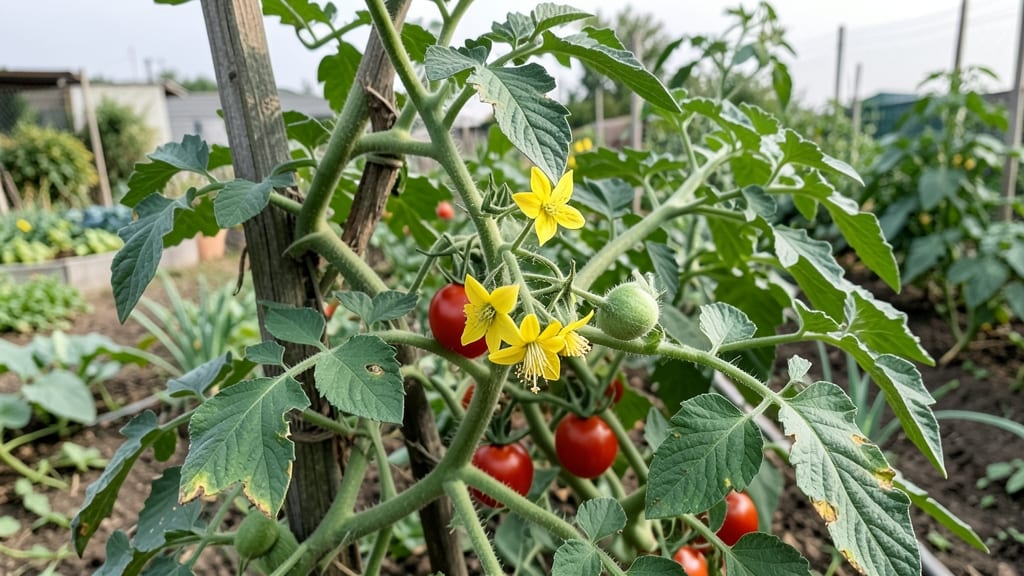
Choosing the right tomato plant size 🍅 is the difference between a backyard jungle and a tidy, productive garden—whether you’re working with a balcony pot or a full raised bed.
Picture this: You’ve just planted your seedlings, only to watch them stretch toward the sky like unruly teenagers, or worse, flop over before producing a single ripe fruit.
The truth is, tomato plant size isn’t just about aesthetics—it’s about yield, airflow, and how much effort you’re willing to put into staking or pruning.
From dwarf varieties that fit in a 5-gallon pot to indeterminate giants that need a trellis taller than you are, the right size depends on your space, your goals, and even your patience.
Below, I’ll break down how to pick the perfect variety for your setup and avoid the common mistakes that turn your dream harvest into a tangled mess.
You’ll learn which tomatoes thrive in containers, how to space them for maximum airflow, and why some varieties need more love (and more room) than others. Let’s get growing!
How tomato plant size varies by variety (indeterminate vs determinate)
When planning your tomato garden, one of the first decisions you’ll face is choosing between indeterminate and determinate varieties. These two types differ dramatically in growth habits, fruiting cycles, and space requirements.
Indeterminate tomatoes grow like vines, reaching heights of 6-12+ feet, while determinate varieties stay compact at 2-4 feet. Your choice impacts everything from staking needs to harvest timing and even container gardening possibilities.
I’ve grown both types in my garden, and the difference in plant size and harvest strategy is night and day. Indeterminate varieties, like ‘Sungold’ cherry tomatoes, produce fruit continuously throughout the season, while determinate types, such as ‘Roma’ tomatoes, set all their fruit at once.
Understanding these differences helps you plan for yield expectations, pruning needs, and garden layout—whether you’re working with a small balcony or a sprawling backyard.
🌱
Indeterminate tomatoes thrive in warm climates with long growing seasons because they keep producing fruit until frost. Varieties like ‘Sungold’ cherry tomatoes or ‘Brandywine’ heirlooms can grow 10+ feet tall if left unpruned, but they benefit from regular pruning to improve airflow and reduce disease risk.
These vining plants need strong support, like tomato cages or stakes, to handle their weight. If you’re growing them in containers, opt for compact indeterminate varieties like ‘Tiny Tim’, which maxes out at 4 feet but still produces continuously.
On the other hand, determinate tomatoes are the bushy workhorses of the garden. They set all their fruit at once, making them ideal for canning, sauces, or short-season gardens.
The ‘Roma’ tomato, a classic determinate variety, stays under 4 feet and produces heavy yields in a 2-3 week window. This makes them perfect for container gardening or small spaces, as they don’t require staking.
However, their limited harvest window means you’ll need to plant multiple batches if you want a continuous supply.
For container gardening, determinate varieties like ‘Patio Princess’ or ‘Balcony Red’ are my go-to choices. These compact tomatoes fit easily in 5-gallon pots and don’t need pruning, making them low-maintenance for balconies or patios.
If you’re growing indeterminate tomatoes in containers, choose dwarf varieties and prune aggressively to control size. Remember, root-bound plants produce less fruit, so upgrade to larger pots (10+ gallons) if your vining tomatoes outgrow their space.
Another key difference is pruning needs. Indeterminate tomatoes require regular suckers removal (the shoots that grow between the main stem and branches) to direct energy into fruit production. Determinate tomatoes need minimal pruning, though you may want to remove lower leaves to improve airflow and reduce soil-borne diseases.
I always prune in the morning to allow wounds to heal before evening moisture sets in, which helps prevent fungal infections like blight.
🪴
If you’re new to tomato gardening, start with determinate varieties if you have limited space or a short growing season. They’re easier to manage and produce a heavy crop all at once, which is great for canning or preserving.
However, if you love fresh tomatoes all summer long, indeterminate varieties are worth the extra effort. Just be prepared for taller plants, more pruning, and sturdy support systems. My ‘Sungold’ cherry tomatoes on a 6-foot trellis produce pounds of fruit from July until frost—it’s a game-changer
Container gardening: best small tomato plants and spacing guidelines
Balcony gardening doesn’t mean sacrificing your love for juicy tomatoes! The key lies in selecting compact tomato varieties that thrive in containers while maintaining proper spacing guidelines. With the right 5-gallon pots and 18-24 inch spacing, you can enjoy a bountiful harvest even in tight spaces.
Let’s explore the best small tomato plants for containers and how to keep them healthy.
When choosing tomato varieties for containers, focus on determinate types that stay under 3 feet tall. These bushy plants produce fruit in clusters near the top, making them perfect for pots.
Varieties like 'Tiny Tim' and 'Balcony Red' are top picks because they mature quickly and fit snugly in 5-gallon containers. Always check the seed packet for mature size—this tells you exactly how much space to allocate.
| Variety | Mature Size | Pot Size | Spacing | Harvest Time |
|---|---|---|---|---|
| Tiny Tim | 18-24 inches | 5-gallon pot | 18 inches apart | 60-65 days |
| Balcony Red | 24-30 inches | 7-gallon pot | 20 inches apart | 65-70 days |
| Patio Princess | 20-24 inches | 5-gallon pot | 18 inches apart | 55-60 days |
| Micro Tom | 12-18 inches | 3-gallon pot | 12 inches apart | 45-50 days |
Proper container spacing is crucial for airflow and disease prevention. Place your tomato plants 18-24 inches apart in their pots, depending on the variety. For example, 'Tiny Tim' needs only 18 inches of space, while 'Balcony Red' benefits from 20 inches.
If you’re growing multiple plants in a single container, ensure each has its own 5-gallon pot—sharing space leads to competition for nutrients and stunted growth.
Pruning is another game-changer for container tomatoes. Remove suckers (the small shoots that form between the stem and branches) regularly to direct energy toward fruit production. Focus on maintaining a single main stem for determinate varieties, while indeterminate types (like 'Cherry Tomatoes') can be pruned to encourage bushier growth.
Always use clean, sharp pruning shears to avoid damaging the plant.
Don’t forget to support your plants with cages or stakes to prevent sprawling. Even compact varieties can get top-heavy with fruit, so a 5-foot tomato cage or bamboo stakes work wonders. Place the support at planting time to avoid disturbing roots later.
With these spacing guidelines and pruning tips, your container tomatoes will thrive and produce a steady supply of flavorful fruit all season long.
For best results, place your containers in a location with 6+ hours of sunlight and well-draining soil. Water deeply in the morning to keep roots hydrated without encouraging fungal diseases. With the right tomato plant size and care, your balcony or patio will soon be a mini tomato paradise!