
Pests
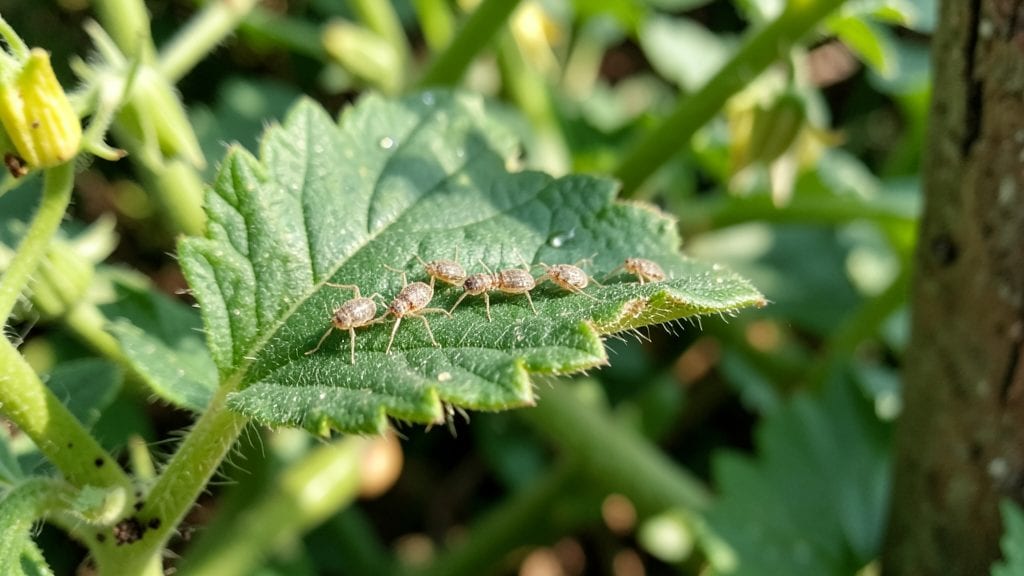
Those small bugs on tomato plants might seem tiny, but they’re sapping your harvest’s potential—think aphids, spider mites, or whiteflies hiding under leaves. 🌱 I’ve battled them for years, and the key is acting fast before they multiply into... a full-blown crisis.
The good news? You can stop them without harsh chemicals that harm your plants (or you).
Most of these bugs thrive in dry, dusty conditions, so your first defense is simple: water deeply at the base of plants in the morning to wash them away and deter future pests. A strong spray of water from the hose often knocks off 80% of them instantly.
For stubborn clusters, mix a mild soap solution (1 tablespoon dish soap per gallon of water) and spray undersides of leaves where they hide.
You’ll notice a difference within days—fewer sticky residue trails, fewer wilting leaves, and healthier green growth. The plants start putting energy back into fruit production instead of fighting off pests. Early intervention means you’ll salvage your tomatoes without losing the whole season.
This method works for any small garden pests, whether you’re growing in containers or in-ground beds. The secret is consistency: check plants weekly, especially after rain or when new growth appears. Your harvest will thank you!
Root Causes Of Tiny Tomato Invaders
Tomato plants are a magnet for small pests, and understanding why these critters show up is half the battle in keeping your garden thriving. 🌱🐛 Most of these tiny troublemakers are drawn to your plants for the same reasons you’d stop by a buffet: food, shelter, and breeding grounds.
Let’s break down the science behind their uninvited visits—and how you can disrupt their plans.
When tomato plants feel the pressure—whether from drought, poor soil, or too much shade—they release stress signals that attract pests. Stressed plants often produce extra sap or weak foliage, which are like neon signs to bugs like aphids, whiteflies, and spider mites.
These pests thrive on tender, nutrient-rich plant tissues, making stressed tomatoes a prime target.
Why it happens:
- Weakened defenses: Healthy plants produce natural chemicals (like volatile organic compounds) that repel pests. Stress disrupts this, making them easier prey.
- Moisture buildup: Overwatering or poor drainage creates damp leaves—ideal for fungus gnats and shore flies, which lay eggs in soggy soil.
- Nutrient deficiencies: Lack of nitrogen or potassium weakens stems and leaves, making them easier for bugs to penetrate.
Actionable fix: Ensure your tomatoes get consistent watering (1–1.5 inches per week) and well-draining soil. A balanced fertilizer (like 10-10-10) can boost resilience. 💡 Pro tip: Mulch around plants to retain moisture and reduce stress.
Tomato plants with dense foliage, cracks in stems, or even nearby weeds create the perfect hideouts for pests. Many small bugs—like thrips, leafminers, and flea beetles—prefer sheltered spots to avoid predators (like birds or ladybugs) and lay their eggs undisturbed.
Why it happens:
- Undisturbed leaf litter: Debris under plants traps moisture and eggs, allowing pests to hatch and multiply.
- Cracked stems or pruning wounds: These openings give access to borers and other pests that chew into plant tissues.
- Weedy surroundings: Weeds act as pest reservoirs, harboring bugs that later migrate to your tomatoes.
Actionable fix:
- Prune tomatoes regularly to improve airflow and reduce hiding spots.
- Remove weeds within a 3-foot radius of your plants.
- Inspect stems for cracks and treat with pruning sealant if needed.
Tomatoes are like all-you-can-eat buffets for pests, especially when they’re ripe, damaged, or overripe. Aphids, fruit flies, and hornworms are drawn to sweet, sugary sap and soft fruit, while others (like stink bugs) pierce tomatoes to suck out juices.
Why it happens:
- High sugar content: Ripe tomatoes release volatile compounds that attract fruit-feeding insects.
- Damaged fruit: Cuts or bruises create entry points for bacteria and pests like tomato hornworms.
- Overripe tomatoes: Fermenting fruit emits odors that lure vinegar flies and other scavengers.
Actionable fix:
- Harvest tomatoes promptly when they ripen to avoid overripening.
- Pick and discard damaged or fallen fruit to prevent pest buildup.
- Use row covers early in the season to block flying pests from finding your plants.
Small bugs on tomato plants often spike during specific weather patterns or times of year. For example, aphids and whiteflies thrive in warm, humid conditions, while flea beetles are most active in hot, dry spells. Even mild winters can allow pests to survive and reproduce faster.
Why it happens:
- Warm temperatures: Bugs like thrips and spider mites reproduce faster in heat (some double in population in weeks!).
- Humidity: Moist air helps pests like fungus gnats and slugs survive and lay eggs.
- Seasonal migration: Some pests (e.g., colorado potato beetles) move to tomato plants after decimating early crops like potatoes.
Actionable fix:
- Monitor weather forecasts and act early if heat/humidity spikes are predicted.
- Use shade cloth in peak summer to reduce stress and pest activity.
- Rotate crops yearly to disrupt pest life cycles.
Quick Fixes for Garden Pests
Small bugs on tomato plants can feel like an unwelcome invasion, but with the right approach, you can protect your harvest without resorting to harsh chemicals.
Below are targeted solutions for the most common culprits—aphids, spider mites, whiteflies, and fungus gnats—along with preventive measures to keep your tomato patch thriving. Let’s tackle these pests one by one with humane, effective methods.
Signs: Clusters of small, soft-bodied bugs on new growth or undersides of leaves, often leaving sticky residue ("honeydew").
🔥 Immediate Action:
- Blast Them Off 💦 - Use a strong stream of water from your hose to dislodge aphids.
Do this early in the morning so the plants dry quickly. - Pro tip: 💡 Add a drop of dish soap to a gallon of water for extra stickiness—aphids won’t stand a chance!
- Introduce Beneficial Insects 🐞
- Ladybugs, lacewings, and parasitic wasps love aphids. Buy them online or attract them with neighboring pollinator-friendly plants like dill or fennel.
- Neem Oil Spray 🌿
- Mix 1 tsp neem oil + 1 tsp mild soap + 1 quart water, spray directly on infested areas, and reapply every 5–7 days.
🛡️ Prevention:
- Interplant with basil, marigolds, or garlic—aphids hate these scents!
- Prune regularly to remove crowded growth where aphids hide.
- Encourage airflow by spacing plants properly—aphids thrive in damp, shaded spots.
Signs: Fine webbing on leaves, yellow stippling, and tiny red or black specks moving rapidly when disturbed.
🍳 DIY Miticide Spray:
- Oil & Soap Mix 🛢️
- Combine 1 tbsp horticultural oil + 1 tsp castile soap + 1 quart water. Spray thoroughly (including undersides) every 3–4 days until gone.
- Warning: Avoid spraying in direct sunlight—it can burn leaves.
- Water Blast + Companion Planting 💦🌱
- A strong hose spray can knock them off, but they multiply fast. Plant nasturtiums nearby—they act as a trap crop and repel mites.
- Release Predatory Mites 🕸️
- Phytoseiulus persimilis (a type of beneficial mite) feasts on spider mites. Order them online and release them at dusk.
🌡️ Prevention:
- Keep plants hydrated—mites love dry conditions.
- Avoid over-fertilizing with nitrogen—it stresses plants and attracts mites.
- Inspect new plants before adding them to your garden.
Signs: Tiny white moth-like bugs that flit away when you disturb leaves, sticky honeydew, and sooty mold (black fungus) on lower leaves.
⏰ Trap & Trap Again:
- Yellow Sticky Traps 🎯
- Hang yellow cards coated in petroleum jelly near plants. Whiteflies are drawn to yellow and get stuck.
- Pro tip: ✨ Place traps above the plants—whiteflies fly upward.
- Neem Oil or Insecticidal Soap 🌿
- Spray neem oil mix (as above) directly on leaves, focusing on undersides where they hide. Repeat every 5 days until no more adults appear.
- Encourage Parasitic Wasps 🐝
- Encarsia formosa wasps lay eggs inside whitefly larvae. Release them at dusk for maximum effectiveness.
🎯 Prevention:
- Use reflective mulch (like aluminum foil) to disorient adult flies.
- Remove infected leaves immediately to stop the cycle.
- Avoid overwatering—whiteflies love damp soil.
Signs: Tiny black or gray flies hovering around soil, wilting seedlings, and trails of larvae in moist potting mix.
👨🍳 Fix the Soil First:
- Let the Soil Dry Out 🌞
- Fungus gnats love wet soil. Allow the top 1–2 inches to dry between waterings.
- Pro tip: 💡 Use a moisture meter to track soil dampness accurately.
- DIY Yellow Water Trap 🍋
- Fill a small cup with yellow water + a drop of dish soap. Place near plants—gnats are attracted to the color and drown.
- Beneficial Nematodes 🐛
- Steinernema feltiae nematodes hunt and kill larvae. Mix them with water and drench the soil at dusk.
🛡️ Prevention:
- Use pots with drainage holes—never let water pool.
- Apply a thin layer of sand or perlite on soil surface to deter egg-laying.
- Avoid over-fertilizing with nitrogen—it attracts gnats.
- Inspect plants weekly—catch infestations early before they spread.
- Rotate pest control methods to avoid resistance (e.g., alternate neem oil with soap spray).
- Keep your garden healthy—strong plants repel pests naturally!
- Clean up debris—fallen leaves and old plants hide pests over winter.
By acting fast and staying consistent, you can keep your tomato plants bug-free without harming your harvest—or the environment. Happy gardening! 🍅🌱
Frequently asked questions
What are the most common tiny bugs attacking tomato plants?
The usual suspects include aphids (green/black clusters), spider mites (tiny red/black specks with webbing), whiteflies (white moth-like bugs), and fungus gnats (tiny black flies around soil). These pests thrive in warm, crowded conditions and can appear within days if left unchecked.
How do I tell if my tomato plants are stressed enough to attract pests?
Look for yellowing leaves, stunted growth, or wilting—these are red flags. Stressed plants produce extra sap, which acts like a dinner bell for bugs. Check soil moisture too: overwatering or drought creates ideal pest conditions. A quick fix is consistent watering at the base (1-1.5 inches per week).
Can I use household items to get rid of these bugs without chemicals?
Try a soapy water spray (1 tbsp dish soap per gallon) for aphids or whiteflies, or neem oil mix (1 tsp neem + 1 tsp soap per quart) for stubborn infestations. For fungus gnats, let the top 1-2 inches of soil dry between waterings. These methods are safe for plants and pets.
Why do I keep seeing bugs even after treating my plants?
Pests often hide on undersides of leaves or in cracks in stems. Reapply treatments every 5-7 days and check for new eggs. Also, nearby weeds or overwatered soil can harbor pests—remove debris and improve drainage to break their cycle.
Are there natural predators that can help control these bugs?
Yes! Ladybugs, lacewings, and parasitic wasps eat aphids and whiteflies, while predatory mites target spider mites. Buy them online or attract them by planting dill, fennel, or marigolds nearby. These helpers work best in a healthy, diverse garden.