
Pruning
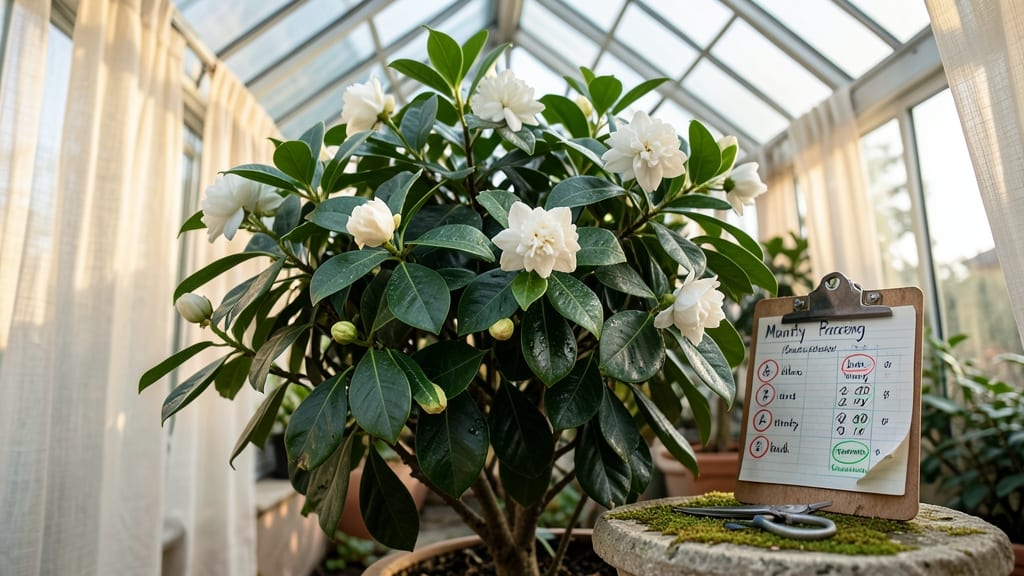
Revitalize your gardenia plants with expert trimming techniques that encourage abundant blooms and strong growth. Proper pruning transforms leggy shrubs into fragrant, bushy beauties—here’s how to do it right.
When to Prune Gardenias for Maximum Blooms
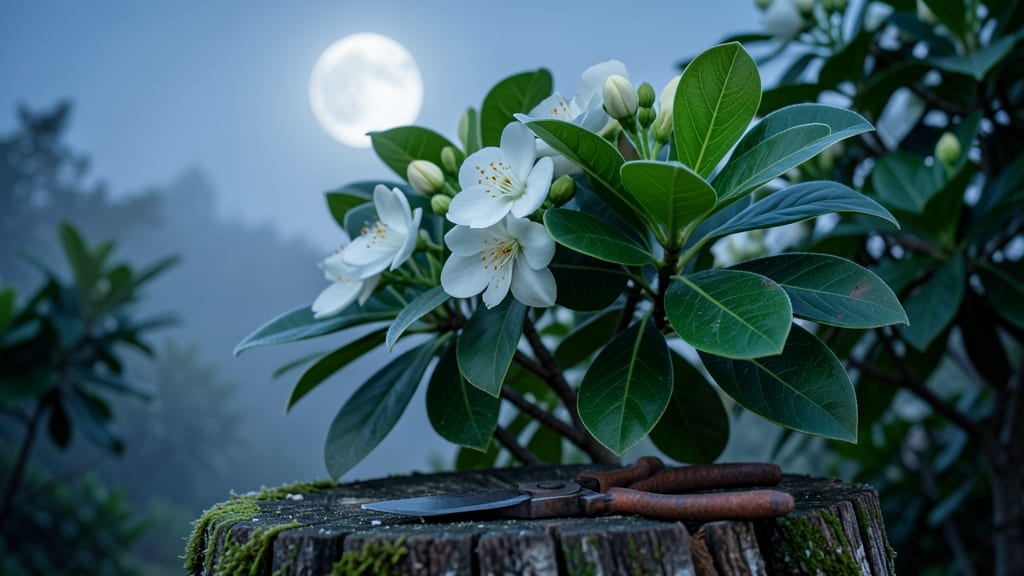
Timing your gardenia pruning isn’t just about the season—it’s about syncing with the moon’s waxing phase (when roots grow strongest) for the most dramatic blooms. Prune too late, and you’ll sacrifice next year’s flowers; too early, and you risk frost damage. The ideal window is late winter to early spring, just as buds begin to swell but before active growth kicks in.
For maximum blooms, focus on two key periods: February-March in warmer climates (zones 8-11) and April-May in cooler zones (6-7). Avoid pruning after June, as this cuts back on flower buds forming for the next cycle. A bonus tip: Prune on a waxing gibbous moon (3-7 days before full) to boost root energy and flower production—many gardeners swear by this lunar timing for healthier regrowth.
This approach is perfect for gardeners who want year-round fragrance without sacrificing plant health. Whether you’re a moon-phase believer or just love a well-timed trim, mastering this schedule will turn your gardenia into a blooming powerhouse. 🌟
How to Identify Dead or Damaged Branches
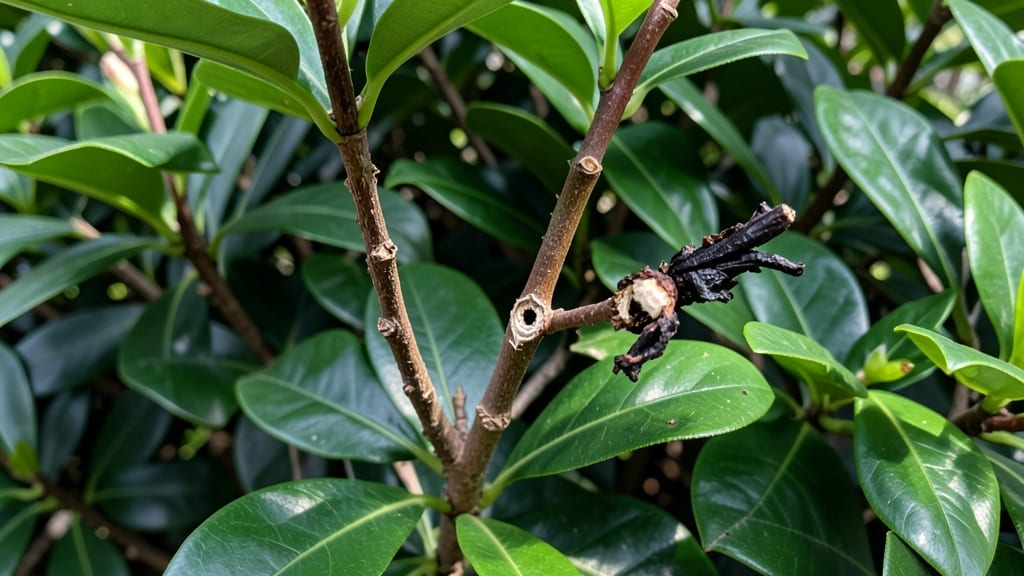
Before you reach for your pruners, learn to spot the silent warnings in your gardenia’s branches—because removing dead wood first protects the rest of your plant from fungal infections and pests.
Look for three key signs: branches with brown, dry stems that crumble when touched, hollow centers when you tap them (they sound hollow), or peeling bark with visible insect holes or oozing sap. These are red flags that the branch is beyond saving. Even small wounds can invite disease, so prioritize these over cosmetic cuts.
This step is especially critical for gardenias, which are prone to root rot and fungal infections like botrytis. By removing these limbs first, you’re creating a healthier foundation for your plant’s recovery—and your future blooms will thank you. 🌿
Step-by-Step Pruning Tools You’ll Need
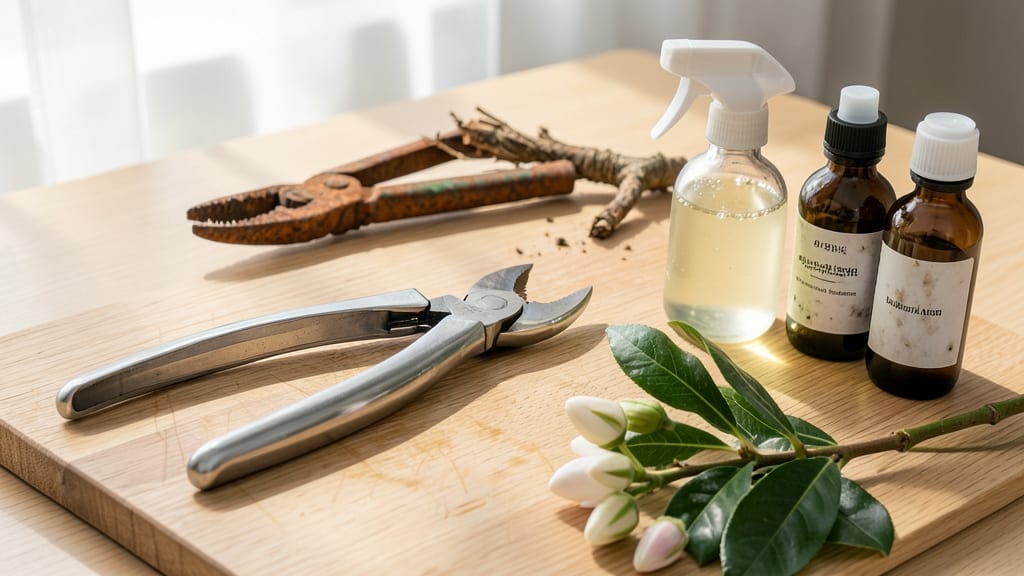
Your gardenia’s health starts with the right tools—dull blades and dirty instruments can introduce diseases or tear branches, leaving your plant vulnerable. Invest in bypass pruners for clean cuts on smaller stems, and sterilize everything with rubbing alcohol or a 10% bleach solution before and after use to prevent bacterial spread.
For thicker branches, loppers with bypass blades (not anvil-style) create smoother cuts that heal faster. Don’t forget a sharp pruning saw for stubborn wood and a pair of gloves to protect against thorns. A small spray bottle with 70% isopropyl alcohol keeps tools sanitized between cuts, ensuring every snip promotes healing rather than harm.
Whether you’re a beginner or seasoned gardener, these tools make pruning safer and more effective—especially for delicate gardenias that bloom best when stress-free. 💡
Correct Pruning Cuts for Thicker Growth
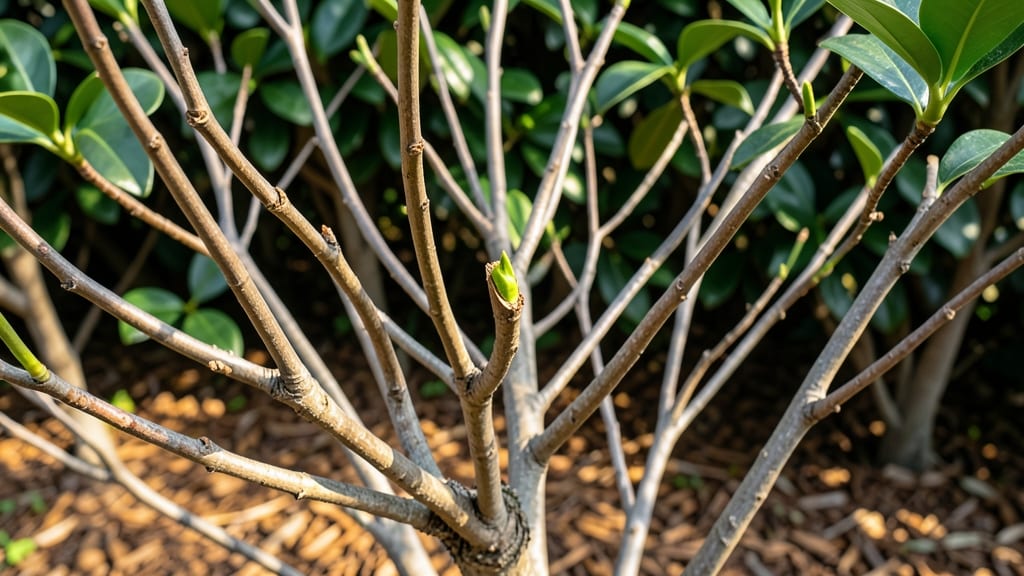
Leggy gardenias with sparse branches? The secret to thicker growth lies in where you cut—not just how much. A simple adjustment in pruning technique can transform your plant from a sparse stick into a lush, bushy shrub with fewer gaps and more blooms.
Always make cuts at a 45-degree angle, just above a leaf node (the point where leaves or branches emerge). This angled cut prevents water from pooling on the stem, reducing rot risk while encouraging new shoots to grow from the node below. Avoid cutting flush with the node—this can leave a stub that won’t heal properly. For best results, focus on outer branches first to open up the center for airflow and sunlight.
This method is especially helpful for gardeners with mature gardenias that have grown too tall or sparse. By redirecting energy to new growth at the nodes, you’ll create a fuller, more compact shape without sacrificing future blooms. 🌿
Revitalizing Overgrown Gardenia Bushes
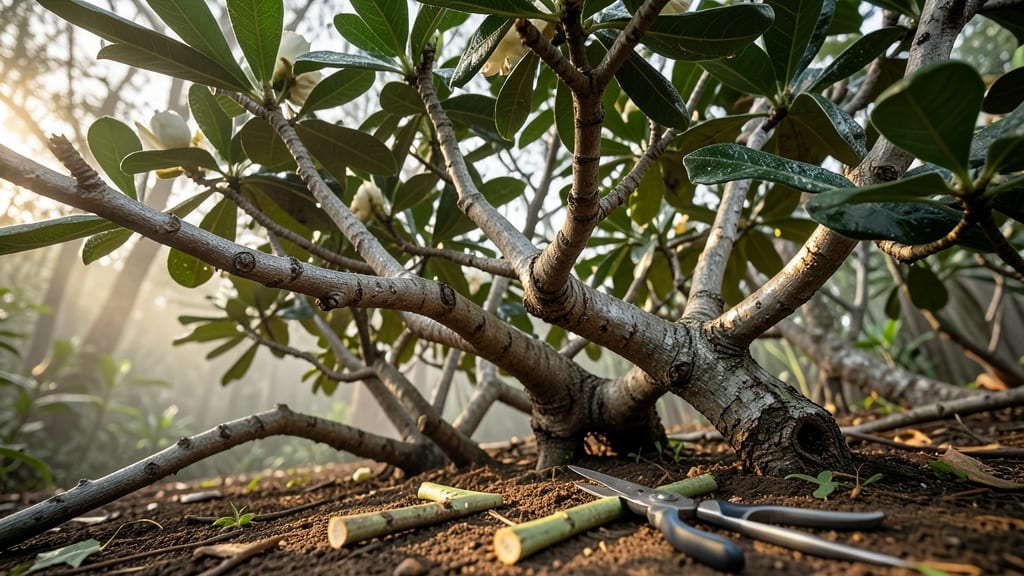
Your gardenias may look like unruly jungle vines, but with a strategic "reset pruning" technique, you can transform them into lush, manageable shrubs. This method focuses on removing up to one-third of the oldest, thickest branches to stimulate fresh growth and airflow—perfect for plants that have outgrown their space or become tangled over years.
Start by cutting back the most congested branches to the ground, then shape the remaining structure by thinning out crossing or inward-growing stems. Avoid removing more than 25% of the plant in a single session to prevent shock. After pruning, apply a balanced fertilizer to support new growth, and keep the soil consistently moist for the first few weeks.
This technique is a game-changer for neglected gardenias or those in tight spaces, giving them a second chance at vibrant blooms and a tidy form. Perfect for gardeners who’ve let their plants grow wild—or those with limited space who want to reclaim their garden’s beauty. 🌿
Encouraging More Blooms After Trimming
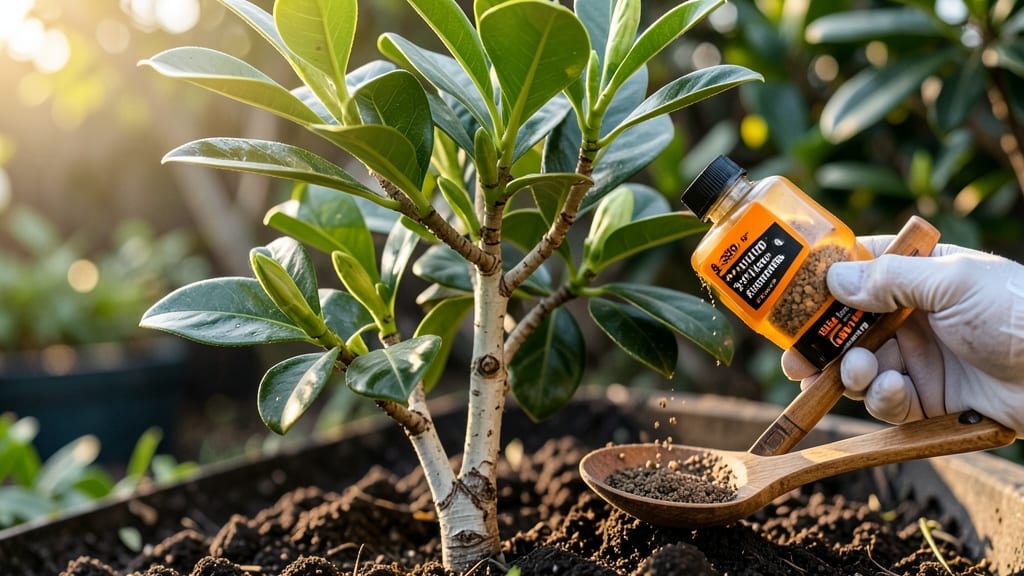
Your gardenia just got a fresh haircut—but now it’s time to feed its blooming ambitions. After pruning, the right post-care routine can double your flower production by redirecting energy toward new growth instead of recovery.
Start with a balanced, acid-loving fertilizer (like 8-3-9 or 10-10-10) two weeks after trimming to replenish nutrients lost during pruning. Water deeply twice weekly for the first month, keeping soil moist but not soggy—gardenias hate wet feet. Gradually shift to morning sunlight exposure (6-8 hours) if your plant was previously shaded, as more light triggers more blooms.
This approach works best for gardeners who want year-round fragrance—just avoid heavy fertilizing in late summer to prevent new growth from struggling before winter. 🌻
Pruning Young Gardenia Plants for Shape
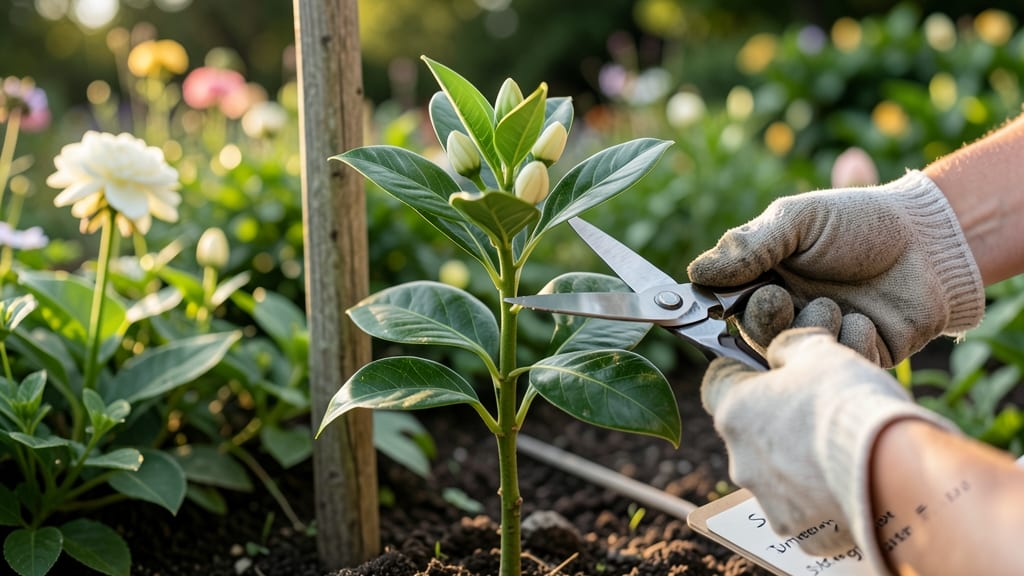
Skip the "fix it later" approach—young gardenias thrive when shaped early, and a little guidance now prevents lopsided, unruly growth later. Think of it like training a sapling to grow into a sturdy tree: small adjustments during the first two years set the foundation for a symmetrical, balanced plant that blooms beautifully for decades.
Start by removing overly long or weak branches—cut them back to a strong lateral bud, using clean pruners at a 45-degree angle. Focus on creating an open center to allow sunlight and air to reach the core, which prevents disease and encourages even growth. For a natural shape, aim for a slightly rounded or conical form, trimming just enough to guide the plant’s direction without overdoing it.
This method is perfect for new gardeners or anyone planting gardenias as hedges or specimen plants. A well-shaped young gardenia requires far less dramatic pruning later, saving you time and stress while keeping your garden looking polished. ✨
Avoiding Common Pruning Mistakes
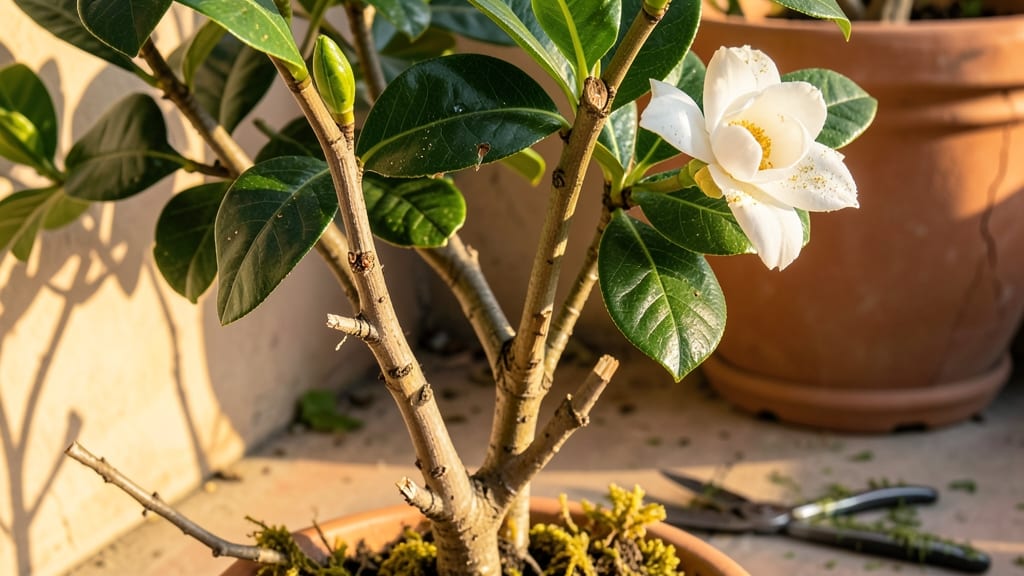
Your gardenia’s health hinges on avoiding these silent pruning killers—mistakes that can leave your plant struggling or even dead. Even experienced gardeners accidentally overdo it by cutting too late in the season or removing more than one-third of the foliage at once, which stresses the plant.
Watch for fall pruning (after blooms drop) and avoid heavy cuts during hot summer months—both shock the plant. Never remove more than 20-30% of branches in a single session, as gardenias need their leaves to photosynthesize for energy. Sterilize tools between cuts to prevent fungal spread, and always prune just above a leaf node (never flush against the stem).
These mistakes are especially risky for new gardenia owners or those in warm climates where growth cycles differ. A little caution now saves hours of recovery later. ✨
Trimming Gardenias for Container Growth
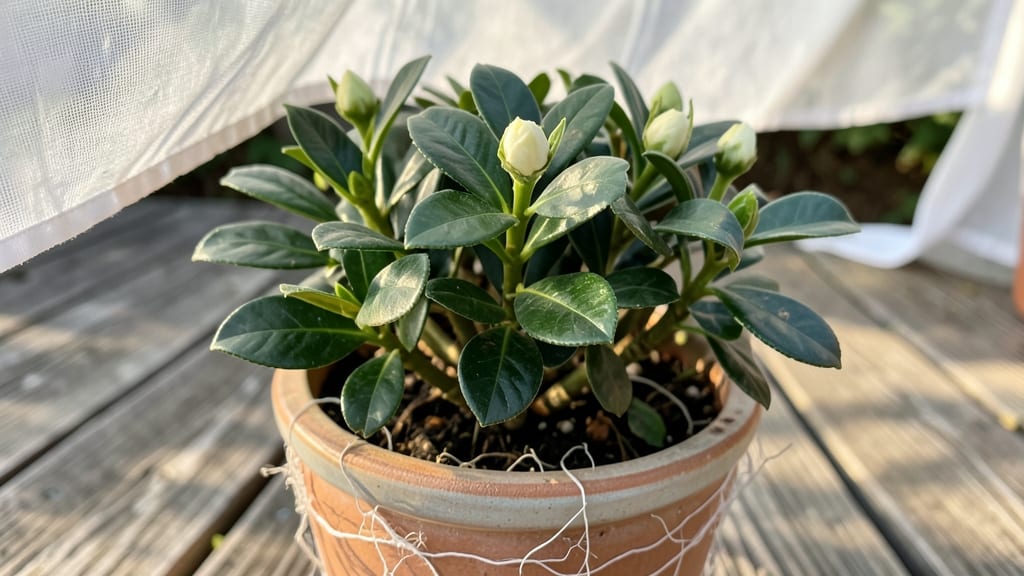
Container gardenias thrive when pruned differently than their in-ground cousins—focus on compact growth and root health to keep them lush in limited space. Unlike tall garden beds, potted plants need more frequent light trims to prevent root-bound stress and encourage bushier foliage that stays within pot boundaries.
Start by removing overcrowded branches from the center to improve air circulation, which reduces fungal risks in tight containers. Trim back leggy stems by one-third to maintain a rounded shape, and always cut just above a leaf node to promote new growth. Use sterilized shears to avoid introducing pathogens to the confined root system.
Urban gardeners and balcony growers will love this approach—it keeps gardenias manageable while maximizing fragrance and blooms in small spaces. Just remember: smaller pots mean more frequent pruning to prevent root congestion. 🌻
Seasonal Pruning Schedule for Year-Round Care

Gardenias thrive when pruning matches their natural growth cycles, not just seasonal trends. Instead of one big trim, this monthly schedule keeps your plant blooming year-round while avoiding stress during critical phases like bud formation or dormancy.
Start in late winter (just before new growth) with a light shape-up, then prune lightly in spring after blooms fade to encourage fresh buds. Skip heavy cuts in summer when flowers form—focus only on dead or crossing branches. In fall, reduce pruning to let the plant harden off for winter, and do minimal trimming in winter unless removing frost-damaged limbs.
This rhythm ensures your gardenia stays energized but never overwhelmed, making it perfect for busy gardeners who want low-maintenance beauty without sacrificing blooms. 🌻