
Pruning
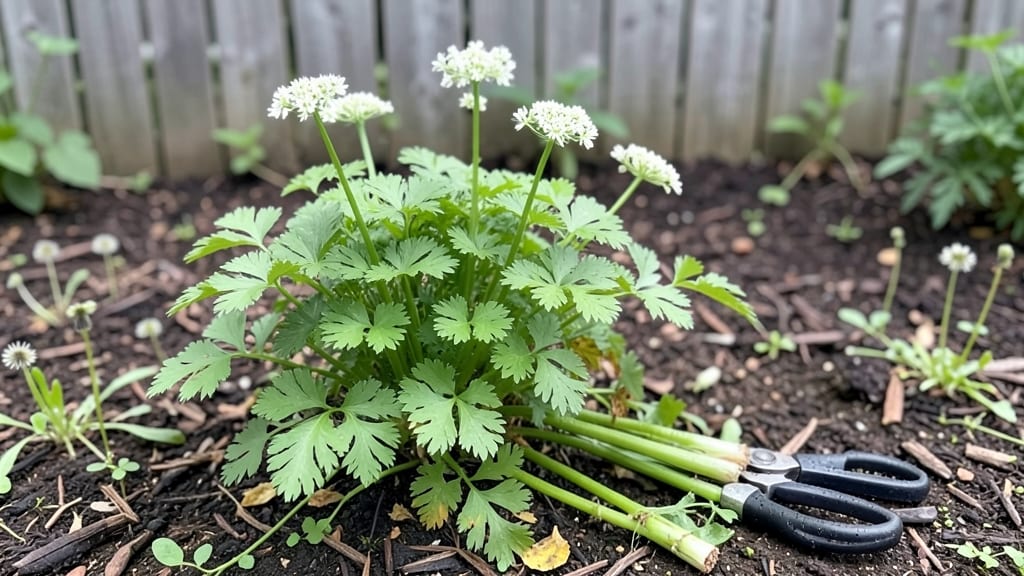
Trimming cilantro plants is the secret to keeping them lush and productive all season long—if you do it right. 🌿 I used to think cutting cilantro meant sacrificing future growth, but after a few seasons of trial and error, I discovered that strategic trimming actually makes the plants bushier and more flavorful.
The key is timing and technique, and once you master it, you’ll have fresh cilantro for tacos, soups, and salads without buying a single bunch.
You don’t need fancy tools—just sharp scissors or clean pruning shears and a sunny spot where your cilantro gets at least 6 hours of light daily. The best time to trim is in the morning, when the leaves are crisp and fully hydrated.
Cut just above a set of leaves (about 1/3 of the plant’s height), leaving the lower stems intact. This encourages new growth from the base, not just the top.
Most people make the mistake of snipping too close to the ground or waiting until the plant is already bolting, which is when it starts flowering and tasting bitter.
After trimming, your cilantro will regrow in about 2-3 weeks, often even more vigorously than before. The leaves you cut can be used immediately in cooking—toss them into salsas, blend them into dressings, or chop them fresh for garnishes.
The plant itself will reward you with a second (or third!) harvest, as long as you keep the soil moist and protect it from extreme heat. This method works for both potted cilantro and in-ground plants, making it perfect for small gardens or windowsill containers.
Here’s the best part: once you get the hang of it, you’ll never have to buy cilantro again. The first few times might feel a little nerve-wracking—what if the plant doesn’t regrow?—but trust the process.
Even if a cilantro plant bolts, you can still harvest the stems for flavorful seeds or use the leaves in dishes before they turn bitter. Now, grab those scissors and let’s get trimming!
📚 In This Guide
- What you need
- Instructions
- Tips and common mistakes
- Wrapping up and next steps
What you need
- ● Cilantro plant: A healthy, mature plant (6+ inches tall) with at least 3-4 sets of leaves for optimal regrowth.
- ● Clean, sharp pruning shears: Small bypass pruners (2-4 inches) or kitchen scissors (sterilized with rubbing alcohol).
- ○ Gloves (optional but recommended): Nitrile or cotton gloves to protect hands from sap or dirt.
- ● Spray bottle with water: For misting leaves post-trim to reduce stress.
- ● Compost bin or container: To collect trimmings for nutrient recycling.
- ● Pruning hormone powder: Speeds up healing (e.g., rooting hormone for cuttings).
- ● Label markers: If saving cuttings for regrowth in water.
- ● Gardening journal: Track trimming dates and plant responses for future reference.
- ● Organic fertilizer (diluted): Lightly feed soil post-trim to boost recovery (e.g., fish emulsion or seaweed extract).
How to trim cilantro plants for continuous growth
Here's how to keep your cilantro thriving with every snip—no more bolted, bitter plants!
✂️ Step 1: Identify and Cut the Right Stems
Wait until your cilantro has at least 6 inches of growth before trimming. This ensures the plant has enough energy to regrow. Look for the main stem—it's the thickest, most upright part. Use clean, sharp scissors to cut just above a set of leaves, leaving about 2 inches of stem. This prevents the plant from looking bare and encourages bushier regrowth.
Don't cut too close to the base—this can expose the stem to rot. Instead, leave a small stub to protect the plant. I like to make my cuts at a slight angle to help water run off and avoid pooling at the stem. This simple trick keeps your cilantro healthy and ready for the next harvest.
🌱 Step 2: Harvest Outer Leaves First
Focus on trimming the outer leaves and stems first—they're the oldest and largest. These leaves have already done their job of photosynthesis and can be removed without harming the plant. Use your fingers or scissors to gently pinch or cut just above where the leaf meets the stem. This encourages new growth from the center, where the plant is most vigorous.
If you see any yellow or wilted leaves, remove those immediately. They're a sign the plant is stressed or diseased, and keeping them can drain energy from the healthy parts. After trimming, your cilantro should look fuller and more compact, with fresh green leaves emerging from the center.
💧 Step 3: Water and Fertilize After Trimming
Give your cilantro a deep watering right after trimming to help it recover. Water until you see moisture seeping out of the drainage holes at the bottom of the pot. This ensures the roots stay hydrated and can focus on producing new growth. Avoid overwatering, though—cilantro hates soggy roots, which can lead to rot.
Add a balanced, water-soluble fertilizer to the water every 2-3 weeks after trimming. I use a 10-10-10 mix diluted to half strength. This gives your cilantro the nutrients it needs to bounce back quickly. You'll notice new leaves sprouting within 5-7 days, signaling that your trimming was successful.
☀️ Step 4: Provide the Right Conditions for Regrowth
Place your cilantro in a spot with partial shade—about 4-6 hours of morning sun is ideal. Too much direct sun will cause the plant to bolt (flower and go to seed) quickly, turning bitter. If your cilantro starts to bolt, trim the flower stalks immediately to encourage leafy regrowth. Keep the soil consistently moist but not waterlogged, and your plant will reward you with fresh leaves for weeks.
Watch for signs of stress, like yellowing leaves or slow regrowth. These could mean your cilantro needs more shade, water, or nutrients. Adjust your care routine based on what you observe, and soon you'll have a cilantro plant that keeps giving—no bitter surprises here!
Tips & tricks for perfect cilantro regrowth
Here's how to turn every trim into a fresh harvest—no bitter surprises!
The Height Factor: That 6-inch minimum height in Step 1 is crucial—it gives your cilantro enough energy reserves to regrow properly. I've learned the hard way that cutting too early leads to stunted growth. Wait until you see at least 6 inches of healthy stems before making your first cut. This ensures the plant has stored enough nutrients to bounce back beautifully.
Cutting Technique That Changed Everything: When you make that angled cut in Step 1, leave that 2-inch stem stub—it's not just about looks! This small stub prevents water from pooling at the stem base, which can cause rot. Plus, it creates a natural barrier that protects the plant from pests. I've seen cilantro plants with perfect regrowth because of this tiny detail that most people overlook.
Regrowth Timeline: Those 5-7 days mentioned in Step 3 are your green light for success! After trimming, watch for new leaves emerging from the center—this is your cilantro's way of saying "thank you" for the proper care. If you don't see new growth within 7 days, check your sun exposure (too much direct sun can delay regrowth) or give it a little extra water. The plant should be showing visible signs of recovery by then.
Bolt Prevention Strategy: If your cilantro starts bolting (sending up those flower stalks), don't panic! Simply trim those flower stalks right at the base—this redirects the plant's energy back to leaf production. I've saved many cilantro plants from becoming bitter by catching the bolt early. The key is acting fast—once those flowers open, you're out of luck for leafy regrowth.
Pro Tips for Trimming Cilantro Plant
- Here's how to turn every trim into a fresh harvest—no bitter surprises!
- The Height Factor: That 6-inch minimum height in Step 1 is crucial—it gives your cilantro enough energy reserves to regrow properly.
- Cutting Technique That Changed Everything: When you make that angled cut in Step 1, leave that 2-inch stem stub—it's not just about looks!
Frequently asked questions
Got questions about trimming your cilantro?
Here are some of the most common ones—plus quick, actionable answers to keep your plant thriving!
When is the best time to trim cilantro for regrowth?
Trim cilantro when it reaches about 6–8 inches tall (or when it starts flowering if you want to avoid bitterness). Early morning trims let the plant recover faster before the heat of the day. Avoid cutting more than ⅓ of the plant at once—this prevents stress and bolting.
How do I trim cilantro so it keeps growing back?
Use clean scissors or pruning shears to cut just above a set of leaves (about ½ inch above the node). This encourages new growth from that point. For bushier plants, trim the outer stems first, leaving the center intact. Pro tip: Rotate your cuts to avoid lopping one side repeatedly!
What if my cilantro bolts after trimming?
Bolting (sending up flowers) is common when cilantro senses heat or stress. To delay it:
- Harvest frequently (every 2–3 weeks).
- Keep soil consistently moist but not soggy.
- Plant in partial shade if temps rise above 75°F.
- Try slow-bolting varieties like ‘Santo’ or ‘Calypso.’
Can I use the trimmings right away, or should I let them regrow?
You can use fresh trimmings immediately—they’re packed with flavor! Store them in a damp paper towel in the fridge for up to 5 days. For regrowth, trim lightly (just the outer leaves) and leave the inner stems intact. Most cilantro plants bounce back in 2–3 weeks with proper care.
What if my cilantro looks leggy after trimming?
Leggy growth happens when cilantro stretches toward light. To fix it:
- Move the plant to a sunnier spot (4–6 hours of sunlight daily).
- Trim just the top 2 inches to encourage bushier growth.
- Use a reflective surface (like aluminum foil) under pots to bounce light.
- Fertilize lightly with diluted seaweed or compost tea for nutrients.
Bonus Tip:
Save your cilantro trimmings in ice cube trays with water to make homemade cilantro oil or infuse into dressings later!
Wrapping up and next steps
Trimming your cilantro plant isn’t just about keeping it tidy—it’s a game-changer for regrowth, flavor, and harvests! 🌱 With the right tools, timing, and techniques, you’ll enjoy a continuous supply of fresh, vibrant leaves.
Whether you’re a seasoned gardener or a curious beginner, every snip brings you closer to a thriving herb garden.
Ready to put your new skills to work? Grab those shears, head outside, and give your cilantro the care it deserves. Your next harvest is just a trim away!