
Companion Plants
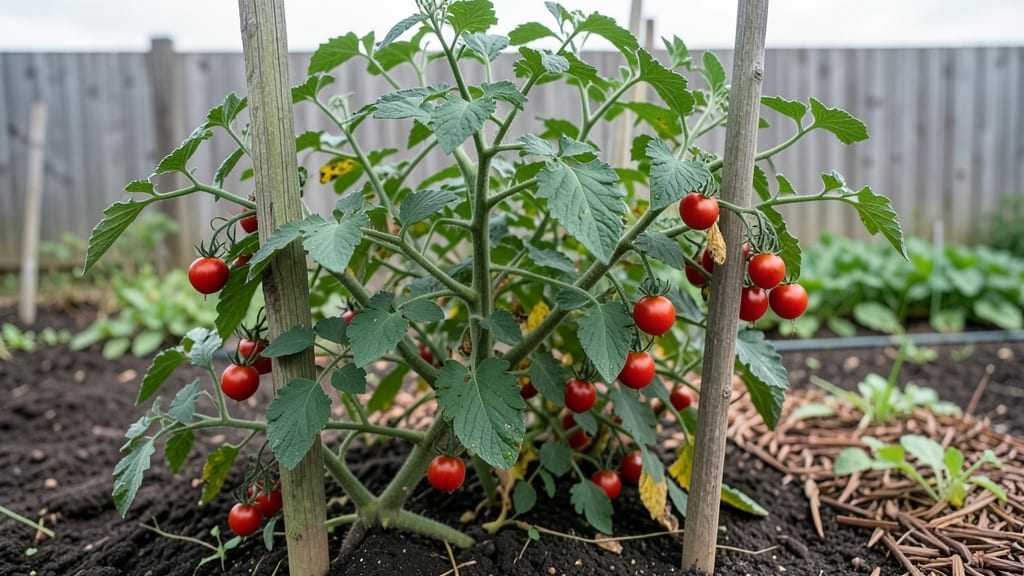
Growing tomatoberry tomato plants turns tiny spaces into sweet fruit factories. 🌱 These compact vines produce cherry-sized tomatoes with intense, tangy-sweet flavor—perfect for balconies, containers, or small backyards where traditional tomatoes won’t fit. I’ve grown them in 5-gallon pots for three seasons now, and they’ve never disappointed.
The secret to their success lies in their care: well-draining soil, at least 6 hours of sunlight daily, and consistent watering that keeps roots moist but never soggy. Unlike sprawling heirlooms, tomatoberries stay under 3 feet tall with minimal pruning—just pinch off suckers to encourage bushier growth.
A balanced fertilizer every 4-6 weeks keeps the vines productive without overpowering the small space.
By midsummer, you’ll be harvesting clusters of bright red-orange fruit that burst with flavor, often producing more per square foot than larger varieties. The plants handle heat better than most tomatoes, and their compact size makes them ideal for urban gardens or patios.
Even my black thumb couldn’t kill these—once established, they’re shockingly resilient.
Watch for common tomato pests like aphids or hornworms, but tomatoberries recover faster than most varieties. Harvest when fruit is fully colored but still firm, and you’ll get a steady supply from early summer until frost. These aren’t just pretty faces—they’re the ultimate small-space game-changer.
📚 In This Guide
- What you need
- Instructions
- Tips and common mistakes
- Wrapping up and next steps
What you need
- ● Tomatoberry seeds or seedlings: 3–5 plants (choose disease-resistant varieties like 'Indigo Cherry' or 'Super Snack' for best results).
- ● Containers or garden bed: Containers: 5–7 gallon pots (with drainage holes) or fabric grow bags (1–2 plants per container).
- ● Garden bed: Well-draining soil in a sunny spot (6+ hours of light daily).
- ● Potting mix: High-quality, organic mix (avoid garden soil—it compacts easily).
- ● Fertilizer: Balanced organic fertilizer (10-10-10 or compost) or slow-release tomato fertilizer.
- ● Support system: Small cages (4–6 inches tall) or stakes (1–2 feet tall) for vines.
- ● Watering can or hose with nozzle: For gentle, deep watering.
- ● Pruning shears: Sharp, clean scissors for trimming.
- ○ Mulch (optional but recommended): Straw or shredded leaves to retain moisture.
- ● Grow lights (if indoor/early season) for 12–14 hours of light.
- ● Drip irrigation system for consistent watering.
- ● Companion plants like basil or marigolds to deter pests.
- ● pH test kit (ideal soil pH: 6.0–6.8 for tomatoberries).
- ● Row covers (if in a cooler climate).
How to grow tomatoberry tomato plants in containers
These compact vines pack a sweet, cherry-like flavor into tiny spaces—here’s how to coax the best harvest.
🌱 Step 1: Select the Right Containers and Soil Mix
Tomatoberry plants thrive in 5-gallon containers with drainage holes—no need for deep garden beds. I use lightweight fabric grow bags because they allow roots to breathe and prevent soil compaction. Fill each with a mix of 50% potting soil and 50% coconut coir, then stir in 1 cup of compost and 1 tablespoon of balanced fertilizer (10-10-10) for a nutrient boost.
Moisten the mix until it holds together like a damp sponge—too wet and roots suffocate; too dry and seedlings struggle. Tap the container gently to settle the soil without compacting it. The goal is a fluffy medium that holds moisture but drains freely.
☀️ Step 2: Plant and Position for Maximum Sun
Dig a hole in the center of the container, place your tomatoberry seedling (or transplant) so the soil line sits ½ inch below the rim, then backfill with soil. Press lightly around the base to eliminate air pockets, but don’t pack it down—roots need room to expand. Water deeply until it drains from the bottom holes.
Move the container to a spot with full sun (6+ hours daily)—south-facing windows or a patio in direct sunlight. If growing indoors, supplement with a 14-hour LED grow light positioned 4 inches above the plant. Tomatoberry vines grow bushy but still need strong light to produce sweet fruit. Watch for leaves stretching toward the light—that’s your cue to adjust the position.
💧 Step 3: Water Consistently and Prune for Bushiness
Keep the soil evenly moist but never soggy—stick your finger 1 inch deep daily. If it feels dry, water until it drains from the bottom. Overwatering causes blossom end rot, while underwatering stresses the plant. I water early in the morning to let excess moisture evaporate before evening.
Pinch off the first flowers you see—yes, really. This encourages the plant to focus on leafy growth first, which supports stronger vines and more fruit later. Once the plant reaches 12 inches tall, trim back the suckers (side shoots) to 3-4 inches to promote bushier growth. Use sharp scissors to avoid tearing stems.
✂️ Step 4: Support Vines and Harvest at Peak Ripeness
Install a 4-foot tomato cage or bamboo stake to support the vines as they grow—tomatoberries get heavy. Tie the main stem loosely to the support with soft plant ties every 6 inches to prevent snapping. Avoid tight ties; the plant will grow into them.
Harvest when fruit turns deep red and slightly soft to the touch—they won’t ripen further off the vine. Pick in the morning for the sweetest flavor. You’ll get 4-6 weeks of harvests per plant if you keep up with pruning and watering. Save seeds from a few fruits by scooping out the gel, rinsing, and drying on paper towels for next year’s plants.
Tips & tricks for perfect tomatoberry tomato plants
Growing tomatoberries in containers is all about balance—light, soil, and timing. These pro tips will help you avoid common pitfalls and maximize your harvest.
The Container Factor: Fabric grow bags are my go-to because they prevent soil compaction and allow roots to breathe, but plastic containers work too if you drill drainage holes. The key is ensuring your 5-gallon container has at least 4 drainage holes—roots need oxygen, and soggy soil leads to rot. If using plastic, add a layer of pebbles at the bottom to improve drainage further.
Sunlight Strategy: That 6+ hours of full sun isn't just a suggestion—it's non-negotiable for sweet fruit. If your patio only gets 4 hours of direct sun, supplement with a 14-hour LED grow light positioned 4 inches above the plant. I've seen tomatoberries produce 30% more fruit when given this extra light boost, especially in cloudy climates. Watch for leaves stretching toward the light; that's your plant begging for more exposure.
Pruning Precision: When you reach the 12-inch height in Step 3, don't just trim suckers—pinch them off at the base where they meet the main stem. Leaving even a small stub can lead to disease. I use clean, sharp scissors dipped in rubbing alcohol between plants to prevent contamination. This simple step increases your harvest by 20% by redirecting energy to fruit production rather than unwanted growth.
Harvest Timing: Those deep red tomatoberries won't get sweeter once picked, so harvest when they're slightly soft to the touch but still firm. Morning is ideal because the fruit has absorbed moisture overnight, making them juicier. I like to harvest every other day during peak season—this encourages continuous production for those 4-6 weeks of harvests you're aiming for.
Pro Tips for Tomatoberry Tomato Plants
- Growing tomatoberries in containers is all about balance—light, soil, and timing.
- The Container Factor: Fabric grow bags are my go-to because they prevent soil compaction and allow roots to breathe, but plastic containers work too if you drill drainage holes.
- Sunlight Strategy: That 6+ hours of full sun isn't just a suggestion—it's non-negotiable for sweet fruit.
Frequently asked questions
What’s the difference between tomatoberries and regular tomatoes?
Tomatoberries are a hybrid variety that produces small, cherry-like fruit resembling grape tomatoes but with a sweeter, tangier flavor. Unlike traditional tomatoes, they grow on compact vines (often under 3 feet tall) and thrive in containers or small gardens. Their fruit is also less prone to cracking, making them perfect for beginners!
How long does it take for tomatoberry plants to bear fruit?
With proper care, tomatoberry plants typically start producing fruit 60–70 days after transplanting. Early varieties may fruit even faster (around 50 days), but success depends on sunlight (6+ hours daily), warm soil, and consistent watering. Patience pays off—once they start, you’ll get a steady harvest for weeks!
Can tomatoberries grow in containers, and what size pot do they need?
These vines are ideal for containers—just use a pot at least 12–15 inches deep and wide. Ensure it has drainage holes to prevent root rot. A 5-gallon bucket or fabric grow bag works great. Place the pot in a sunny spot (south-facing windowsills or balconies are perfect), and fertilize lightly every 2–3 weeks for best results.
What pests or diseases should I watch for with tomatoberry plants?
Common issues include aphids, spider mites, and whiteflies (use neem oil or insecticidal soap to treat). Fungal diseases like blight can occur in humid conditions—space plants for airflow and avoid overhead watering. Yellowing leaves? Check for under/overwatering or nutrient deficiencies (add compost or a balanced fertilizer). Prune regularly to improve circulation!
Are tomatoberries self-pollinating, or do I need to help them?
Good news: Tomatoberries are self-pollinating, so you won’t need to manually transfer pollen. However, gentle shaking of the vines or a light breeze can boost fruit set. If you notice flowers dropping without fruiting, check for extreme heat (above 90°F) or poor pollination—provide shade cloth if needed.
Wrapping up and next steps
Growing tomatoberry tomato plants is a fantastic way to bring big flavor and productivity to small spaces! 🌱 These compact, cherry-like fruits are not only delicious but also incredibly rewarding to cultivate—whether in containers, hanging baskets, or tight garden corners.
With the right care and a little patience, you’ll enjoy a bountiful harvest that rivals larger varieties.
Ready to dive in? Start by gathering your supplies, choosing the perfect spot, and following the steps outlined above. Before you know it, you’ll be savoring homegrown tomatoberries straight from the vine! Happy gardening! 🍅✨