
Planting
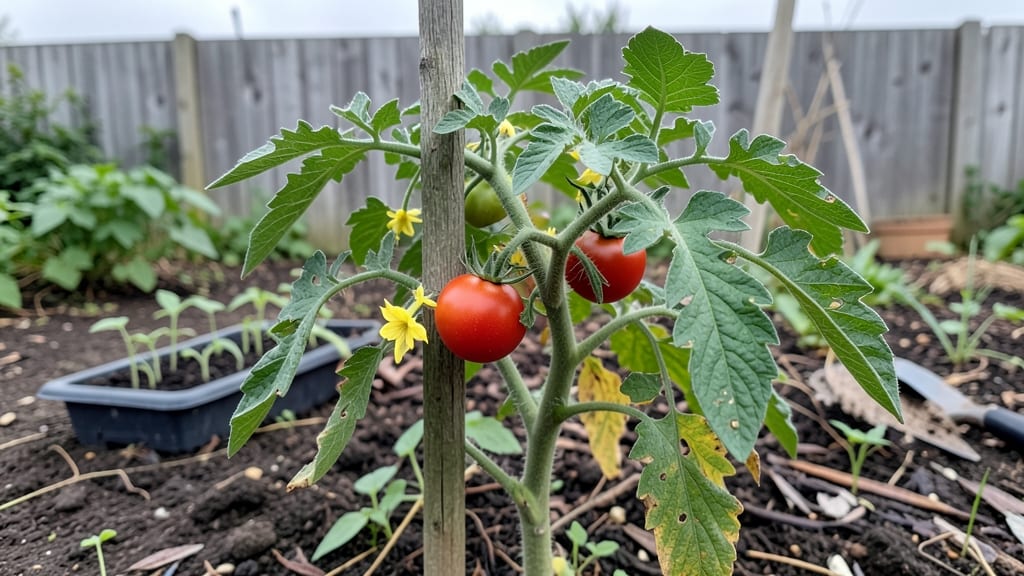
Your tomato planting timeline is the secret to a garden bursting with juicy 🍅 fruit instead of sad, stunted plants.
Timing is everything when growing tomatoes—plant too early and risk frost damage, too late and miss peak harvests. Follow this precise week-by-week schedule to maximize your yield, no matter your climate zone.
Whether you're starting seeds indoors in Zone 6a or direct-sowing in April, the key is matching your local frost dates to each growth stage. I’ll show you exactly when to transplant, stake, and even adjust for container gardens.
By the end, you’ll know the ideal months for your region, how to stretch the season, and when to expect those first ripe tomatoes—because nothing beats the taste of a homegrown 🍅 picked at the perfect moment.
Tomato planting timeline by USDA climate Zones: when to start indoors vs outdoors
Getting your tomato planting schedule right means the difference between a bountiful harvest and wasted effort. Since USDA climate zones vary dramatically—from Zone 3's harsh winters to Zone 11's year-round warmth—your timing must adapt.
Whether you're starting tomato seeds indoors or planting seedlings outdoors, knowing your last frost date and frost-free days is critical.
For example, gardeners in Zone 5 (like Chicago) must start seeds 6-8 weeks before the last frost, while those in Zone 10 (like Los Angeles) can direct-sow in February. Southern hemisphere gardeners in Zone 9 (like Sydney) follow the opposite calendar, planting in September instead of April.
Let’s break down the exact week-by-week schedule for each zone to ensure your tomatoes thrive.
🌱
| USDA Zone | Start Indoors (Weeks Before Last Frost) | Transplant Outdoors (After Last Frost) | Direct Sow Outdoors (If Preferred) | Key Adjustments |
|---|---|---|---|---|
| Zones 3-4 (e.g., Minneapolis) | 6-8 weeks | Mid-May to early June | Not recommended (too cold) | Use row covers for early starts |
| Zones 5-6 (e.g., Denver) | 6-7 weeks | Late May to early June | Late May (with protection) | Hardy varieties like 'Stupice' work |
| Zones 7-8 (e.g., Dallas) | 4-6 weeks | Early April to mid-May | March to early April | Succession plant every 2 weeks |
| Zones 9-10 (e.g., Phoenix) | 2-4 weeks (optional) | February to March | January to February | Fall planting possible (Sept-Oct) |
| Zones 11 (e.g., Miami) | Not needed (year-round) | Year-round (avoid extreme heat) | Year-round (shade in summer) | Use heat-tolerant varieties |
| Southern Hemisphere (e.g., Zone 9, Sydney) | 6-8 weeks before last frost (Sept-Oct) | Mid-November to December | Not recommended (winter frost risk) | Spring planting only |
🌡️ Note: Adjust for microclimates (e.g., urban heat islands may allow earlier planting).
In Zones 3-4, where winters are brutal, starting tomato seeds indoors in early March ensures seedlings are robust enough to transplant by late May. Use grow lights to prevent leggy seedlings, and harden them off for 1 week before moving outdoors.
For Zones 5-6, you can push the timeline slightly—start seeds in late February for early June transplants—but avoid rushing, as cold soil stunts root growth.
Gardeners in Zones 7-8 enjoy longer growing seasons, so you can direct-sow tomato seeds outdoors as early as March (after soil warms to 60°F). However, early-morning frost can still be a threat, so have row covers ready.
In these zones, succession planting every 2 weeks extends your harvest window from summer into fall.
For Zones 9-10, the rules change entirely. You can direct-sow tomato seeds as early as January, but watch for heat stress in late spring. Many gardeners here opt for fall planting (September-October) to avoid summer’s scorching temperatures.
In Zone 11, tomatoes grow year-round, but choose heat-tolerant varieties like 'Solar Fire' and provide afternoon shade during peak summer.
Southern hemisphere gardeners must flip the calendar—plant tomato seeds indoors in September for November transplants. The key is timing
Critical week-by-week growth stages: what to expect and when to act
Understanding your tomato's growth stages helps you provide the right care at the right time. From the first sprout to harvest, each phase demands specific attention to ensure healthy plants and abundant fruit.
Miss a critical window, and you might lose weeks—or even the entire crop. Let's break down the essential 2-week phases so you can anticipate milestones and act accordingly.
Your tomato plants will progress through germination, seedling growth, transplanting, flowering, and fruiting. Each stage has unique needs, from consistent moisture during germination to supportive staking as vines grow.
By recognizing these phases, you'll know exactly when to fertilize, prune, or protect your plants from pests. Let's dive into the timeline with actionable tips for each phase.
Soil temp: 70-85°F | Days to sprout: 5-14
Keep soil moist but not soggy—cover seeds with ¼ inch of soil and maintain humidity. Use a heat mat if indoors to speed germination. Thin seedlings to 2 inches apart once sprouts appear.
Height: 2-4 inches | Leaves: 2-4 sets
Hardening off begins—acclimate seedlings to outdoor conditions over 7-10 days. Ensure 6-8 hours of sunlight daily and fertilize lightly with a balanced 10-10-10 mix. Watch for damping off (fungal rot) and improve airflow.
Soil temp: 60°F+ | Plant depth: 1-2 inches deep
Transplant after last frost date, burying stems up to the first leaves to encourage root growth. Space plants 18-24 inches apart (or closer for bush varieties). Water deeply to reduce transplant shock and add mulch to retain moisture.
Height: 1-3 ft | Leaves: 6+ sets
Focus on support systems (cages, stakes, or trellises) as vines grow. Prune suckers (side shoots) to direct energy to fruit production. Fertilize with a high-phosphorus mix (e.g., 5-10-10) to promote flowering.
Flowers: Yellow blooms | Pollination: Critical
Gently shake plants or use a small paintbrush to pollinate flowers if bees are scarce. Ensure consistent watering (1-1.5 gallons per plant) to prevent blossom end rot. Reduce nitrogen fertilizer to shift focus from leaves to fruit.
Fruit size: Golf ball to grapefruit | Color: Variety-specific
Harvest tomatoes when they reach full color and yield slightly to touch. Prune lower leaves to improve airflow and reduce disease risk. Continue fertilizing lightly until 2 weeks before first frost to harden off plants for storage.
Each stage builds on the last, so don’t skip critical tasks like hardening off seedlings or supporting vines. For example, if you miss the flowering stage pollination window, you’ll see fewer tomatoes.
Pay close attention to soil moisture during fruiting—too much or too little can cause blossom end rot or cracked fruit.
Use this timeline to adjust your care routine. For instance, in hot climates, provide afternoon shade to prevent sunscald on ripe tomatoes. In cooler zones, extend the season with row covers or choose early-maturing varieties like 'Early Girl' (60 days to harvest).
Your attention to these stages will reward you with a bountiful harvest.
Pro tip: Keep a gardening journal to track your tomato’s progress. Note when flowers appear, fruit sets, and when you harvest. This helps refine your approach for next year’s crop. Happy growing!