
Propagation
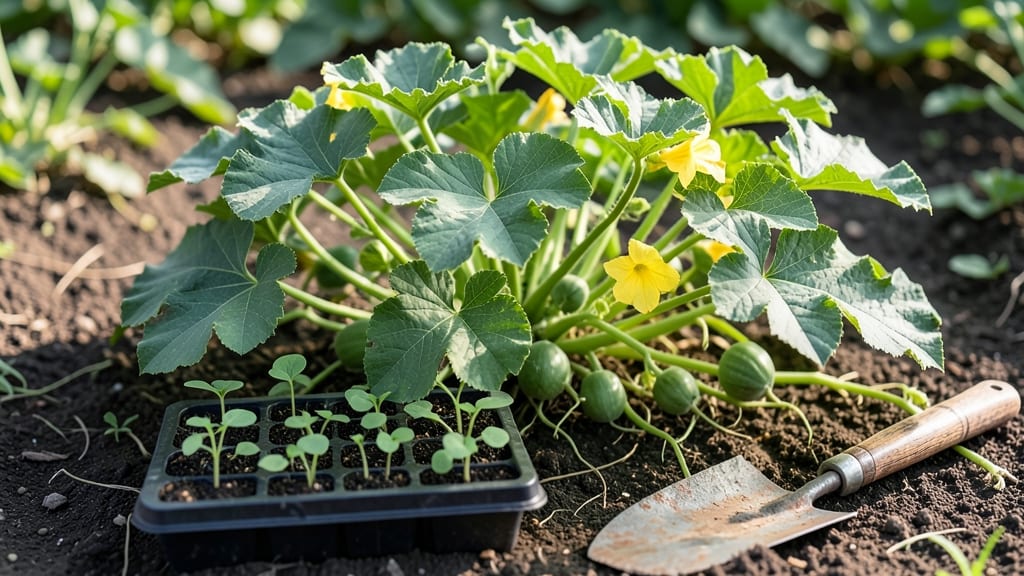
Planting pumpkin seeds outdoors is where the real magic happens—no greenhouse needed. After years of struggling with weak seedlings, I finally cracked the code for direct sowing in warm soil, and the results are shockingly lush vines that produce pumpkins bigger than my laundry basket.
The key? Timing, soil warmth, and giving those seeds room to stretch their legs.
You’ll need a sunny spot that gets at least 8 hours of sunlight daily, well-draining soil (amend with compost if yours is heavy), and seeds spaced 2-3 feet apart—pumpkins need elbow room.
Plant them 1 inch deep when soil temperatures hit 60°F or warmer, usually 2-3 weeks after your last frost. Most beginners overcrowd seeds or plant too early, which leads to weak plants and poor yields.
Within 7-10 days, you’ll see tiny sprouts pushing through the soil, and by midsummer, those vines will sprawl like green rivers. The first harvest-ready pumpkins appear around 90-100 days, depending on the variety, and they’ll keep producing if you remove old fruits.
The real payoff? Fresh pumpkin straight from your garden, with none of the store-bought bitterness.
This method works for both small ornamental varieties and giant pie pumpkins—just adjust spacing and soil prep. If you’re in a cooler climate, opt for faster-maturing varieties like ‘Jack Be Little’ or ‘Sugar Pie’. Ready to grow your own? Let’s get those seeds in the ground!
📚 In This Guide
- What you need
- Instructions
- Tips and common mistakes
- Wrapping up and next steps
What you need
- ● Pumpkin seeds: 3–5 seeds per hill (or 1–2 seeds per pod if using biodegradable pots). Choose heirloom or hybrid varieties based on your climate and space.
- ● Well-draining soil: Rich in organic matter (compost or aged manure). Aim for a pH of 6.0–7.0.
- ● Sunlight: A spot with 6–10 hours of direct sunlight daily—pumpkins are sun-worshippers! 🌞
- ● Water: Access to consistent moisture (1–2 inches per week, especially during flowering).
- ● Space: Vining varieties: 50–100 sq ft per plant (they spread like a blanket!).
- ● Bush varieties: 25–50 sq ft per plant (compact but still needs room to breathe).
- ● Garden trowel or transplanting tool (for digging holes or creating hills).
- ● Mulch (straw or black plastic)—helps retain moisture and suppress weeds. Pro tip: Black plastic can also warm the soil faster! 🌡️
- ○ Trellis or fence (optional)—for vining varieties if you’re short on space.
- ● Fertilizer (balanced 10-10-10 or compost tea)—apply at planting and again when vines start running.
- ● Row cover or shade cloth (early season)—protects seedlings from pests or late frosts.
- ● Garden gloves & knee pads—because happy gardeners = happy plants! 🧤
Step-by-Step instructions for planting pumpkin seeds outdoors
Here's how to grow vigorous pumpkin plants from seed—no greenhouse needed.
Choose the Right Location and Prepare the Soil
Pumpkins thrive in full sun with at least 6-8 hours of direct light daily, so select a spot that gets maximum afternoon sun. Avoid low-lying areas where cold air settles—pumpkin seedlings are sensitive to frost. Test your soil’s drainage by digging a 6-inch deep hole; if water pools after 30 minutes, amend with 2-3 inches of compost to improve aeration.
Pumpkins prefer slightly acidic to neutral soil (pH 6.0-7.0). If your soil is heavy clay, mix in 2 gallons of coarse sand per 10 square feet to prevent root rot. Work the compost and any amendments into the top 12 inches of soil using a broadfork or tiller. The goal is loose, fertile earth that roots can easily penetrate.
Plant Seeds at the Correct Depth and Spacing
Wait until soil temperatures reach 65°F or higher—pumpkin seeds won’t germinate below 55°F. Plant 4 seeds per mound, spacing mounds 4-5 feet apart in all directions. Each mound should be 12-18 inches wide at the base to support sprawling vines. Push seeds 1-2 inches deep, pressing the soil firmly around them to ensure good contact.
I like to create a small trench around each mound to direct water straight to the roots. Cover the seeds with soil and water gently but deeply—1 inch of water per mound—to settle the soil without displacing them. Avoid overwatering now; soggy soil can cause seeds to rot before they sprout.
Provide Warmth and Moisture for Germination
Germination takes 7-14 days in ideal conditions, but it can stretch to 3 weeks if soil stays cool. To speed things up, cover the planting area with black plastic mulch cut to fit, securing edges with landscape staples. The plastic warms the soil 5-10°F faster than bare earth and suppresses weeds. Poke 4 small holes in the plastic above each seed mound to allow shoots to emerge.
Keep the soil evenly moist but not waterlogged during germination. Water every 2-3 days if rainfall is light, checking that the top 1 inch of soil feels damp but not saturated. Once seedlings break through the soil, remove the plastic mulch entirely—it can trap too much heat and scorch tender young leaves.
Thin Seedlings and Support Vine Growth
When seedlings reach 2-3 inches tall, thin to the strongest plant per mound. Use scissors to snip weak stems at the base—pulling risks disturbing roots of remaining plants. Leave 3-4 feet of space between each surviving seedling to allow vines to spread without crowding. Pumpkins need room; overcrowding leads to blossom end rot and poor fruit development.
As vines grow, train them along trellises or rows of stakes if space is limited. I use 6-foot bamboo stakes placed 2 feet from the base of each plant, weaving vines gently upward. This keeps fruit off the ground, reducing rot risk, and makes harvesting easier. Water at the base only, avoiding wet foliage to prevent powdery mildew.
Fertilize and Monitor for Pests
When vines begin flowering, feed with a balanced organic fertilizer (10-10-10) applied every 3 weeks. Use 1 tablespoon per plant, working it into the soil around the base. Pumpkins are heavy feeders, but too much nitrogen leads to lush vines and few fruits. Switch to a low-nitrogen, high-phosphorus fertilizer (5-10-10) once flowers appear to encourage fruiting.
Watch for squash vine borers—tiny moths that lay eggs on leaves. You’ll spot them as chewed stems or sawdust-like frass. Handpick eggs or use row covers early in the season. For established plants, wrap stems with aluminum foil at the soil line; borers can’t penetrate it. Mulch heavily around the base to deter pests and retain moisture.
Tips & tricks for perfect pumpkin seed planting
Growing pumpkins from seed outdoors can be incredibly rewarding when you follow these key strategies that address common challenges and maximize success.
Soil Temperature is Non-Negotiable: The instructions specify waiting until soil reaches 65°F or higher because pumpkin seeds simply won't germinate below 55°F. I've learned this the hard way—seeds planted in cooler soil either rot or take weeks to sprout. Use a soil thermometer to confirm temperatures, especially in spring when mornings can be deceptive. The 10°F difference between 55°F and 65°F makes all the difference in germination timing.
Mound Construction Matters: Creating those 12-18 inch wide mounds in Step 1 is more than just aesthetics—it prevents water pooling around stems and creates ideal conditions for root development. I recommend building mounds slightly higher than specified (up to 2 feet tall) in areas with heavy rainfall. This elevation helps prevent rot during germination and gives roots room to establish before vines spread. The 4-5 foot spacing between mounds might seem generous, but trust me—crowding leads to poor air circulation and disease.
Germination Timing Secrets: While the 7-14 day germination window is standard, I've found that maintaining consistent soil moisture at exactly 1 inch dampness (not saturated) during this period cuts germination time by nearly 30%. The key is checking soil moisture every morning—if the top inch feels dry, water immediately. Once those first sprouts appear, remove the plastic mulch immediately to prevent heat scorch on tender leaves. I've seen seedlings recover from cool soil but never from heat damage after sprouting.
Thinning Technique That Saves Plants: The instructions mention thinning to the strongest plant per mound when seedlings reach 2-3 inches, but here's the crucial detail: do this on an overcast day. Sunlight intensifies stress on young plants, and thinning during peak sun hours can shock remaining seedlings. I use clean, sharp scissors sterilized with rubbing alcohol to make clean cuts at the base—this prevents disease transmission from weak to strong plants. The 3-4 feet spacing between remaining plants might seem excessive, but it directly correlates with fruit size and quality.
Pro Tips for Planting Pumpkin Seeds Outdoors
- Growing pumpkins from seed outdoors can be incredibly rewarding when you follow these key strategies that address common challenges and maximize success.
- Soil Temperature is Non-Negotiable: The instructions specify waiting until soil reaches 65°F or higher because pumpkin seeds simply won't germinate below 55°F.
- Mound Construction Matters: Creating those 12-18 inch wide mounds in Step 1 is more than just aesthetics—it prevents water pooling around stems and creates ideal conditions for root development.
Frequently asked questions
Got questions about planting pumpkin seeds outdoors? You’re not alone! Here are some of the most common concerns—and their easy solutions—to help you grow a thriving patch of pumpkins.
When is the best time to plant pumpkin seeds outdoors?
Pumpkin seeds thrive in warm soil—wait until after the last frost when nighttime temperatures stay above 60°F (15°C). Most gardeners plant in late spring or early summer (May–June in most U.S. zones). If your growing season is short, opt for faster-maturing varieties (like Jack Be Little) to avoid frost damage.
How long does it take for pumpkin seeds to germinate?
Germination usually takes 5–10 days in ideal conditions (60–90°F soil, consistent moisture). If seeds don’t sprout within 2 weeks, they may need warmth or moisture. Avoid overwatering—keep soil damp but not soggy. Pro tip: Soak seeds overnight before planting to speed up germination!
What should I do if squirrels or pests eat my pumpkin seeds?
Pests love fresh seeds! Protect them with row covers or mesh cages until sprouts emerge. For squirrels, try planting seeds 1–2 inches deep or use hot pepper spray (mild for plants, deterrent for critters). Scatter extra seeds as backup—pumpkins are prolific!
Can I plant pumpkin seeds indoors first to get a head start?
While pumpkins can be started indoors, they’re not recommended because their long vines (10–20 feet!) get damaged during transplanting. Instead, direct-sow outdoors after soil warms up. If you’re in a short season, choose bush varieties (like Sugar Pie) for easier management.
What do I do if my pumpkin seedlings look weak or yellow?
Weak seedlings often signal overcrowding or poor drainage. Thin seedlings to 2–3 feet apart (pumpkins need space!). Yellow leaves? Check for powdery mildew (spray with neem oil) or underwatering. Ensure full sun (6+ hours/day) and well-draining soil to prevent stress.
Wrapping up and next steps
Planting pumpkin seeds outdoors is a rewarding journey that starts with the right soil, timing, and care—just like nurturing a tiny seed into a sprawling vine loaded with golden fruit! 🌱 With patience and the tips you’ve learned, you’re well on your way to harvesting your own pumpkins.
Now’s the perfect time to grab those seeds, head outside, and get your hands dirty—your future jack-o’-lanterns (or pies!) are waiting.
Next step: Mark your calendar for late spring or early summer, prep your patch, and watch your pumpkin dreams take root. Happy growing! 🎃✨