
Advice
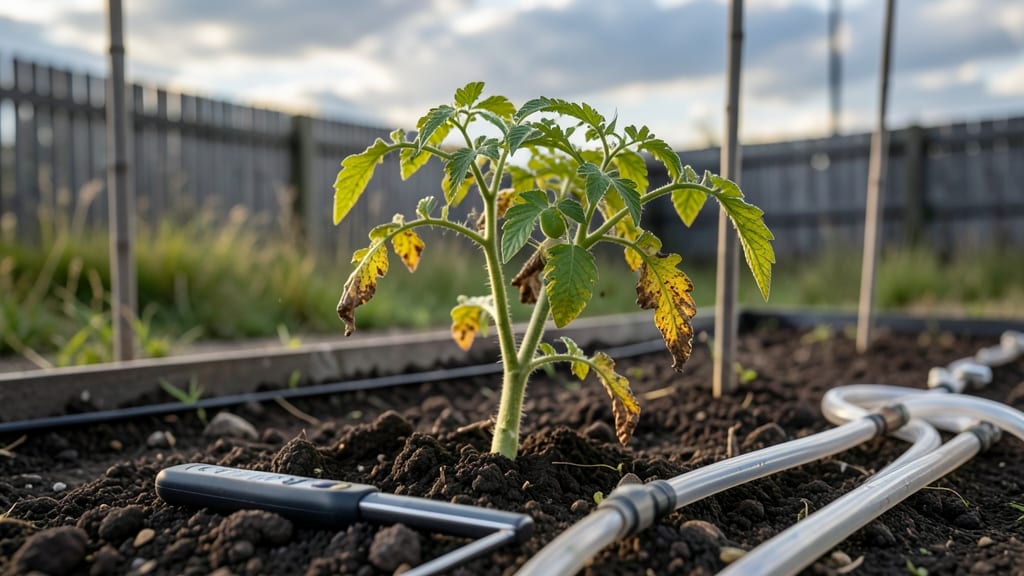
If your tomato plant stopped growing, it’s usually one of five fast-to-diagnose issues—and most fixable in under an hour. 🌱 I’ve seen this happen after a heatwave, heavy rain, or even just skipping a fertilizer check, and every time, the solution was simpler than I expected.
The key is checking the obvious first: soil moisture, sunlight, and leaf health—those three clues solve 80% of cases.
Here’s the thing—tomatoes need consistent moisture, not soggy soil, and they’ll stall if roots get too hot or too cold. Yellowing leaves? Likely nitrogen deficiency or overwatering. Brown edges? Probably underwatering or salt buildup.
I keep a small notebook by my garden to track when I water, fertilize, and prune—it’s saved my plants more times than I can count.
By the time you’re done checking, you’ll know exactly what’s holding back your plants. A quick soil test or adjusting mulch can restart growth in days. The best part? Most fixes are organic and won’t cost a dime beyond what you already have. Let’s get those vines climbing again.
This works for backyard gardens, containers, or raised beds—just adapt the checks to your setup. No need for fancy tools; a trowel, your fingers, and a little patience do the trick. You’ve got this!
Root Causes Behind Stunted Growth
Tomato plants are resilient, but when they suddenly halt their growth, it’s usually a clear signal that something’s off. Understanding the why behind this slowdown is the first step to reviving your plants.
Below, we break down the most common culprits—each with a scientific twist—and how they sabotage your tomatoes’ upward momentum.
Tomatoes thrive in warm but not scorching conditions (ideal daytime temps: 70–85°F / 21–29°C). When temperatures dip below 50°F (10°C) or soar above 90°F (32°C), growth grinds to a halt.
- Cold Stress: Chilly nights slow metabolic processes, stalling photosynthesis and nutrient uptake. Cells struggle to expand, leading to stunted stems and leaves. - Heat Stress: High temps cause transpiration overload—plants lose water faster than roots can absorb it, triggering wilting and leaf curling.
Extreme heat also disrupts pollination, reducing fruit set (which can make plants focus energy on survival instead of growth).
💡 Pro Tip: Use shade cloth (30–50% coverage) in peak summer or move potted tomatoes to partial shade. For cold snaps, row covers or black plastic mulch (to warm soil) can help.
Water is the lifeblood of tomato plants, but imbalances send them into growth limbo.
- Underwatering: Soil moisture drops below 30–40%, triggering osmotic stress. Roots shrink, and the plant conserves energy by halting non-essential growth (like stem elongation). - Overwatering: Soggy soil depletes oxygen, suffocating roots.
Anaerobic conditions force roots to switch to fermentation (a survival mode that halts growth) and attract root rot pathogens (Phytophthora, Pythium).
⚠️ Warning Signs:
- Underwatered: Wilting, dry soil 1–2 inches deep, crispy leaf edges.
- Overwatered: Yellowing lower leaves, mushy stems, foul-smelling soil.
🔥 Fix It: Water deeply 1–2 times per week (1–1.5 inches total) and check soil moisture with your finger—top 2 inches should be dry before watering again.
Tomatoes are heavy feeders, and deficiencies in key nutrients act like a growth brake.
| Nutrient | Deficiency Signs | Why It Stops Growth |
|---|---|---|
| Nitrogen (N) | Pale yellow leaves (older first), stunted stems | Nitrogen fuels cell division and leaf expansion. Without it, plants prioritize root growth over shoots. |
| Phosphorus (P) | Dark green/reddish leaves, weak stems | Phosphorus powers energy transfer (ATP) for growth hormones like auxin. Deficiency = sluggish metabolism. |
| Potassium (K) | Yellowing leaf edges, weak stems | Potassium regulates water balance and enzyme activity. Low K = poor osmoregulation = stunted growth. |
| Magnesium (Mg) | Yellow patches between leaf veins | Magnesium is central to chlorophyll. Without it, photosynthesis plummets, starving the plant of energy. |
🍽️ Quick Fix: Use a balanced fertilizer (10-10-10 or 5-10-10) at planting, then side-dress with compost mid-season. For deficiencies, foliar sprays (e.g., Epsom salt for Mg) can provide a fast boost.
Hidden invaders drain energy from your tomatoes, leaving them too weak to grow.
- Aphids/Whiteflies: These sap-suckers inject toxins that distort leaves and stunt stems. They also spread viral diseases (e.g., tomato mosaic virus), which cripple plant vigor. - Root-Knot Nematodes: Microscopic worms burrow into roots, forming galls that block water/nutrient uptake.
Infested plants wilt easily and grow slowly. - Fungal Diseases (Early Blight, Septoria Leaf Spot): Fungal spores clog stomata (leaf pores), reducing gas exchange and photosynthesis. Infected leaves drop prematurely, limiting the plant’s ability to fuel growth.
🛡️ Defense Plan:
- Prevent: Rotate crops, use resistant varieties (e.g., ‘Mountain Merit’ for blight), and mulch to deter pests.
- Treat: Spray neem oil (for soft-bodied pests) or copper fungicide (for early signs of fungus). For nematodes, solarize soil or plant marigolds as a trap crop.
Even well-cared-for tomatoes can freeze in growth after a traumatic event.
- Transplant Shock: Roots get damaged during repotting or moving, triggering stress hormones (e.g., abscisic acid) that pause growth while the plant recovers. - Root-Bound Pots: Circling roots strangle themselves, limiting nutrient/water absorption.
The plant stops growing upward to conserve energy for root survival. - Competition: Weeds or overcrowded plants steal resources, leaving tomatoes malnourished.
🔄 Solution:
- Transplant Care: Water thoroughly before and after moving, and prune damaged roots gently.
- Repot Root-Bound Tomatoes: Move to a larger container (1–2 gallons per plant) or bury the pot deeper in the ground.
- Thin Plants: Space tomatoes 18–24 inches apart to reduce competition.
Quick Fixes for Stalled Tomato Growth
When your tomato plants hit a growth slump, acting fast can make all the difference. Below are practical, step-by-step solutions tailored to the most common causes—plus prevention tips to keep your plants thriving. 🌱💪
Fix: Give your plants a nutrient boost with the right balance of nitrogen (N), phosphorus (P), and potassium (K).
- Test Your Soil 🧪 - Grab a soil test kit (or send a sample to a local extension office) to check pH and nutrient levels. - Ideal pH for tomatoes: 6.0–6.8.
If too acidic (below 6.0), add lime; if too alkaline (above 7.0), use sulfur or peat moss.
- Fertilize Correctly 🌿
- Early Growth (Seedlings to Flowering): Use a balanced fertilizer (e.g., 10-10-10) to encourage foliage and root development.
- Flowering & Fruiting: Switch to a low-nitrogen, high-phosphorus-potassium blend (e.g., 5-10-10 or 7-9-5) to support blooms and fruit.
- Pro Tip: Avoid over-fertilizing—too much nitrogen = lush leaves, few tomatoes! 🚫🍃
- Organic Alternatives 🍄
- Compost or worm castings (1–2 inches worked into the topsoil) add slow-release nutrients.
- Banana peels (for potassium) or crushed eggshells (for calcium) can be buried near roots.
Prevention: ✅ Mulch (straw or grass clippings) to retain moisture and slowly release nutrients. ✅ Rotate crops—don’t plant tomatoes in the same spot yearly to prevent nutrient depletion.
Fix: Tomatoes need consistent moisture—neither soggy nor dry.
- Check Soil Moisture 💦
- Stick your finger 1–2 inches deep into the soil. If it’s dry, water deeply.
- Signs of underwatering: Wilting leaves (even in the morning), crispy edges.
- Signs of overwatering: Yellowing leaves, mushy stems, or roots that smell rotten.
- Watering Best Practices 🚰
- Water at the base (not leaves) to prevent disease.
- Morning watering (before 10 AM) reduces evaporation and fungal risks.
- Drip irrigation or soaker hoses deliver water directly to roots.
- Adjust Your Routine ⏰
- Container tomatoes may need daily watering in hot weather.
- In-ground tomatoes usually need 1–2 inches of water per week.
Prevention: ✅ Use moisture-retentive soil (mix in coconut coir or peat moss). ✅ Install a rain gauge to track natural watering.
Fix: Shield your plants from scorching sun while keeping them productive.
- Provide Shade Cloth 🛡️
- If temps exceed 90°F (32°C), drape 30–50% shade cloth over plants for a few hours daily.
- Avoid full shade—tomatoes still need 6–8 hours of sunlight.
- Mulch Heavily 🌡️
- Apply 3–4 inches of mulch (straw, wood chips) to cool roots and retain moisture.
- Prune Strategically ✂️
- Remove lower leaves (within 12 inches of the ground) to improve airflow and reduce heat buildup.
Prevention: ✅ Plant in late spring/early summer (after the last frost but before peak heat). ✅ Choose heat-tolerant varieties (e.g., ‘Heatmaster,’ ‘Solar Fire’).
Fix: Identify the culprit and treat it fast before it spreads.
| Problem | Fix | Prevention |
|---|---|---|
| Aphids 🐜 | Spray with soapy water (1 tsp mild soap per quart of water). | Introduce ladybugs or lacewings. |
| Blossom End Rot 🍅 | Apply calcium-rich fertilizer (e.g., crushed eggshells) or Epsom salt (1 tbsp/gallon). | Keep soil evenly moist. |
| Fungal Issues 🍄 | Remove infected leaves, space plants for airflow, and spray copper fungicide. | Water early in the day to dry foliage. |
| Whiteflies 🐛 | Use yellow sticky traps or neem oil spray. | Avoid over-fertilizing with nitrogen. |
Prevention: ✅ Rotate crops yearly to prevent soil-borne diseases. ✅ Inspect plants weekly for early signs of pests.
Fix: If roots are crowded or damaged, give them space to recover.
- Check the Roots 👀
- Gently dig around the base—if roots are circling or compacted, it’s time to repot or transplant.
- Repot or Transplant 🏡
- Containers: Move to a larger pot (at least 5 gallons for mature plants) with fresh potting mix.
- In-Ground: Dig a trench, loosen roots, and space plants 18–24 inches apart.
- Post-Transplant Care 🌿
- Water deeply for the first week.
- Avoid fertilizing for 7–10 days to reduce stress.
Prevention: ✅ Start with the right pot size (5+ gallons for dwarf varieties, 10+ for indeterminate). ✅ Hardening off seedlings before transplanting outdoors.
- Trim Damaged Leaves 🌿 – Remove any yellow or brown leaves to redirect energy.
- Support Your Plants 🪜 – Use cages or stakes to prevent stress from wind or fruit weight.
- Monitor Daily 📅 – Keep a growth journal to spot issues early.
With these fixes, your tomato plants should bounce back in 1–2 weeks—just give them a little TLC! 🍅✨ Now go enjoy that homegrown harvest.
Frequently asked questions
Why did my tomato plant suddenly stop growing after flowering?
This is often caused by a nutrient shift or environmental stress. When tomatoes flower, they need more phosphorus (P) and potassium (K) than nitrogen (N). If you haven’t switched fertilizers, the plant may be starving for these growth hormones. Also check for heat stress—temperatures above 90°F (32°C) can halt growth while the plant focuses on survival.
Can overwatering really stop tomato growth?
Overwatering creates anaerobic soil, suffocating roots and triggering fermentation—a survival mode that pauses growth. Look for yellowing lower leaves, mushy stems, or a foul smell from the soil. The fix? Let the top 2 inches dry out between waterings and improve drainage with organic matter like compost.
How do I tell if my tomato plant is root-bound or just slow?
Gently tug on the plant—if roots circle the pot’s bottom like a knot, it’s root-bound. You’ll also see roots growing out of drainage holes. The solution: Repot into a container 2–3 gallons larger with fresh potting mix. For in-ground plants, dig a trench, loosen roots, and space them 18–24 inches apart.
Will pruning help a tomato plant that’s stopped growing?
Pruning alone won’t restart growth, but it can redirect energy to fruit production instead of excess foliage. Remove only yellow leaves, suckers (side shoots), and lower branches touching the soil. Avoid heavy pruning—keep at least 60% of the plant’s structure to maintain photosynthesis.
How long will it take for my tomato plant to recover?
With the right fix, you’ll often see new growth in 3–7 days. For nutrient deficiencies, a foliar spray (like Epsom salt for magnesium) can show results in 24–48 hours. Overwatering or root issues may take 1–2 weeks to recover. Track progress by checking for new leaves or stems—these are your best indicators!