
Size
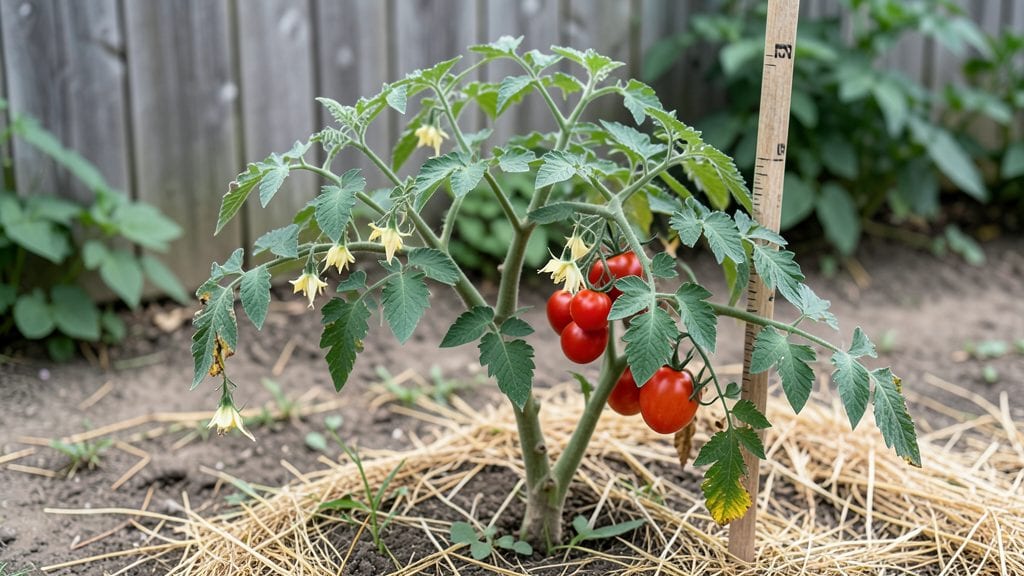
Tomato plant height varies widely by variety, with indeterminate types reaching 6-12 feet or more, while determinate varieties typically max out at 3-5 feet. Dwarf and bush types stay under 2 feet, requiring no staking, while vining varieties need support for their towering growth. Proper pruning and spacing optimize air circulation and yield regardless of height.
Choosing the right tomato variety isn’t just about space—it’s about growth habits too. Indeterminate types grow continuously, producing fruit until frost, which is why they need strong support like 6-foot cages or tall stakes.
Meanwhile, determinate varieties focus energy on a single harvest, making them ideal for containers or small gardens where compact growth saves space. 🌱 I’ve found that dwarf varieties like 'Tiny Tim' thrive in pots, while heirlooms like 'Brandywine' demand vertical room to prevent sprawling and disease.
Height also impacts care—taller plants need more frequent pruning to direct energy to fruit rather than leaves, while shorter types benefit from wider spacing to improve airflow. Even within categories, heights vary: some cherry tomatoes stay under 3 feet, while beefsteak varieties can stretch toward 10 feet.
Always check seed packets for mature height estimates to plan your garden layout effectively.
💡 In This Article
- Determinate vs Indeterminate Tomato Growth Patterns
- Maximizing Yield for Tall vs Short Tomato Varieties
Determinate vs indeterminate tomato growth patterns
The key difference between determinate and indeterminate tomatoes lies in their genetic growth patterns. Determinate varieties grow in a compact, bush-like shape with a single main stem that stops growing after reaching maturity—typically between 3-5 feet.
This growth habit triggers a synchronized fruiting cycle, where the plant produces most of its tomatoes over a 2-3 week period, making them ideal for canning or fresh harvests all at once. 🌿 The terminal bud (growth tip) naturally dies after flowering, redirecting all energy to fruit development rather than vertical growth.
Indeterminate tomatoes, on the other hand, grow continuously throughout the season, often reaching heights of 6-12 feet or more if unchecked. These varieties lack a genetic signal to stop growing, so they produce flowers and fruit along the entire stem and side shoots.
Popular varieties like 'Sungold' (cherry) or 'Brandywine' (beefsteak) can keep producing until frost if properly supported. The trade-off? Their sprawling habit requires sturdy trellises or cages to prevent sprawling, which can lead to disease when foliage touches wet soil.
What most gardeners don't realize is how these growth patterns affect fruit quality. Determinate types concentrate their energy on fewer, larger fruits (like 'Celebrity' tomatoes), while indeterminate varieties spread their energy across many smaller fruits (like 'Sweet 100').
The height difference also impacts care—taller varieties need more frequent pruning to remove suckers (side shoots) and direct energy to fruit production, whereas determinate types rarely need pruning beyond basic maintenance. 🌱
Here's how height affects disease risk: taller indeterminate plants create microclimates where air doesn't circulate well, increasing susceptibility to fungal diseases like blight. Determinate varieties, being shorter, benefit from wider spacing (2-3 feet apart) that improves airflow.
Even within categories, heights vary dramatically—some cherry tomatoes stay under 3 feet while beefsteak varieties can reach 10 feet—so always check seed packets for mature height estimates when planning your garden layout.
Consider these popular examples to visualize the differences:
- Determinate: 'Roma' (3-4 feet) - ideal for sauces, compact growth
- Determinate: 'Better Boy' (4-5 feet) - large beefsteak fruits, needs light support
- Indeterminate: 'Sungold' (5-6 feet) - prolific cherry producer, needs trellis
- Indeterminate: 'Cherokee Purple' (6-8 feet) - heirloom with deep flavor, sprawling habit
The biological reason for these differences lies in their apical dominance—the control point at the plant's growing tip. Determinate varieties have a stronger genetic signal to stop growing at the terminal bud, while indeterminate types continue growing unless pruned. This fundamental difference explains why one plant type needs constant support while another can thrive in containers with minimal care. 🌟