Pests
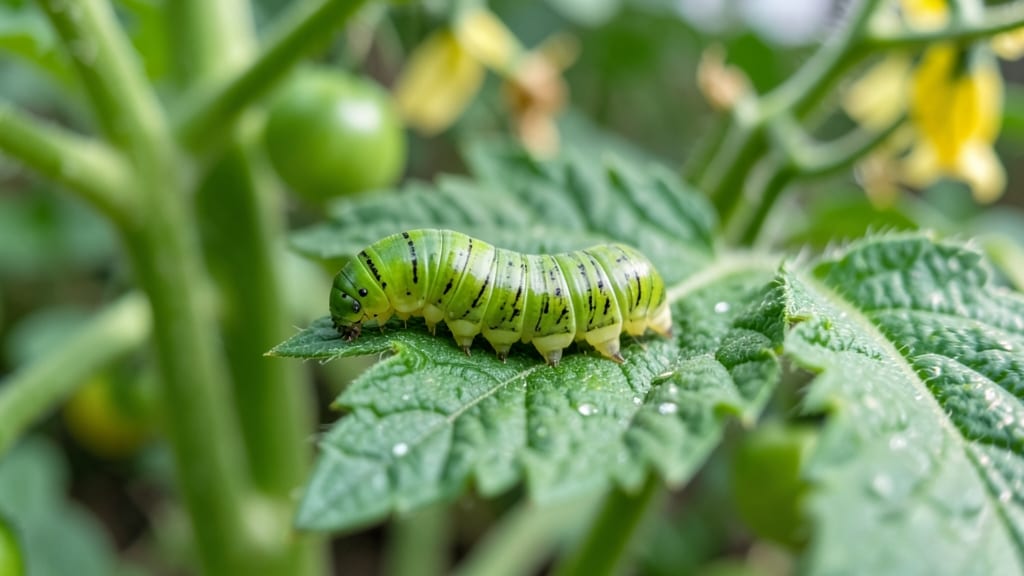
Tomato plant grubs are the sneaky destroyers lurking in your soil, turning healthy plants into chewed-up skeletons overnight. I’ve lost entire tomato plants to these hidden pests—until I discovered a few non-toxic traps that actually work.
The key is catching them before they devour your harvest, and the right methods make all the difference.
These grubs—whether cutworms, wireworms, or beetle larvae—leave telltale signs: ragged leaves, wilting stems, or plants that collapse like they’ve been sawed at the base. The good news? You don’t need harsh chemicals to stop them.
Simple traps like beer-soaked cardboard or grease-painted boards lure them out of hiding, where you can dispose of them manually. It’s a game-changer for organic gardeners tired of losing plants to unseen damage.
Once you’ve trapped the worst of them, focus on prevention. Healthy soil with plenty of compost and mulch keeps plants strong enough to resist attacks, while companion plants like basil or marigolds confuse pests.
Crop rotation also breaks their life cycle, so they don’t return year after year. The result? Tomatoes that stay lush, productive, and grub-free—without a single toxic spray.
This method works for raised beds, containers, and in-ground gardens alike. No more guessing what’s eating your plants—just a clear, step-by-step plan to outsmart them. Let’s get those grubs trapped and your tomatoes thriving again.
The Hidden Invaders Behind Your Tomatoes
When your tomato plants start looking ragged, chewed, or suddenly wilted, the culprit is often tiny but mighty: larvae (or grubs) burrowing beneath the soil. These hungry pests don’t just nibble—they devour roots, stems, and even fruit, leaving your garden looking like a war zone.
But why do they target your tomato plants in the first place? Let’s break down the science behind their sneaky behavior.
Grubs thrive in moist, rich, and well-aerated soil—the same conditions that make tomato plants happy. Here’s why they move in:
- Overwatered or poorly drained soil: Grubs (like those from Japanese beetles or June bugs) need moisture to survive. If your garden holds excess water, it becomes a grub buffet. 💦
- Organic matter overload: Compost, mulch, and decaying plant debris provide food and shelter. While this is great for your tomatoes, it’s also a five-star hotel for grubs. 🍂
- Compacted soil: When soil is too dense, roots struggle, and grubs find it easier to tunnel through. They also avoid dry, crumbly soil, so they cluster where it’s soft and inviting. 🏗️
Actionable fix: Improve drainage with sand or perlite, reduce excessive mulch near roots, and aerate compacted soil in early spring.
Grubs aren’t born invaders—they’re the offspring of adult beetles, and their arrival is predictable. Here’s how their life cycle aligns with tomato season:
- Adult beetles lay eggs in late spring/early summer: Species like the Japanese beetle or June bug target gardens when tomato plants are already established. Eggs hatch into grubs in 2–4 weeks, timing perfectly with peak tomato growth. 🐛⏳
- Grubs feed underground for months: They overwinter in the soil, then resume feeding in spring—just as your tomatoes are sprouting new roots. This means two waves of damage: one in summer (new grubs) and one in spring (surviving grubs). ❄️🌱
- Tomatoes are a high-value target: Their deep roots and fleshy stems are a nutrient goldmine for grubs. Unlike shallow-rooted plants, tomatoes offer a long-term food source. 🍅💰
Actionable fix: Monitor beetle activity in early summer and set up traps (like pheromone lures) to interrupt their life cycle before eggs hatch.
Grubs aren’t just random attackers—they’re opportunistic. They zero in on plants that are already stressed or damaged, making tomatoes especially vulnerable. Here’s how it happens:
- Weak or injured roots: If your tomatoes are struggling from disease, poor soil, or transplant shock, their roots release chemical distress signals that attract grubs. Think of it as a SOS beacon in the soil. 🚨
- Young or newly planted tomatoes: Grubs prefer tender, soft roots over established, woody ones. Seedlings and young plants are like all-you-can-eat buffets for them. 🌱🍽️
- Previous grub infestations: If your garden had grubs last year, their frass (poop) and tunnels create a feedback loop, making the soil even more attractive to new grubs. 🔄
Actionable fix: Strengthen your tomatoes with mycorrhizal fungi (beneficial soil microbes) and avoid over-fertilizing with nitrogen, which can weaken roots.
Grubs don’t just appear out of nowhere—they’re influenced by broader ecosystem factors that can turn your garden into a hotspot. Here’s what makes them bolder:
- Mild winters: In warmer climates, grubs survive the winter and emerge earlier, giving them a head start on your tomatoes. ❄️➡️🌡️
- Lack of natural predators: Birds, toads, and beneficial nematodes keep grub populations in check. If these predators are missing (due to pesticides or habitat loss), grubs multiply unchecked. 🐦🚫🐸
- Monoculture gardening: Planting only tomatoes (or other grub-loved crops like corn or beans) creates a grub paradise. Diversity breaks their cycle. 🌾🚫🍅
Actionable fix: Introduce grub-eating predators like chickens or ducks, and rotate crops yearly to disrupt their life cycle.
Natural Ways to Outsmart Tomato Plant Invaders
If you’ve spotted chewed leaves, wilting stems, or tiny grubs munching on your tomato plants, don’t panic—there are effective, non-toxic ways to reclaim your garden without harsh chemicals. Below, we’ll break down the most common causes of these pesky critters and the practical fixes to evict them for good.
---
Cause: White, C-shaped grubs (often beetle larvae) burrow into roots, starving plants from below. Fix: - Handpick & Drown 🔥 - After watering, grubs rise to the surface. Scoop them into soapy water to kill them instantly. - Beneficial Nematodes 👨🍳 - Apply Heterorhabditis bacteriophora nematodes (sold at garden centers) to the soil. These microscopic predators hunt grubs naturally. - Neem Oil Spray 🥘 - Mix 1 tbsp neem oil + 1 tsp mild soap in 1 quart of water. Spray roots and soil weekly to disrupt their life cycle.
Prevention Tip: 💡 Rotate crops—avoid planting tomatoes in the same spot yearly to break the grubs’ life cycle.
---
Cause: Hornworms or cutworms strip leaves overnight, leaving behind ragged edges. Fix: - Bacillus Thuringiensis (Bt) Spray 🌱 - A natural bacteria-based spray kills caterpillars (including hornworms) within 48 hours. Reapply after rain. - Hand Removal 🔪 - Drop grubs into a bucket of soapy water—no need for gloves (they’re harmless to humans!). - Row Covers ⏰ - Use lightweight fabric over young plants to block egg-laying moths before they hatch.
Pro Tip: ✨ Plant basil or marigolds nearby—their scent repels many leaf-munching pests.
---
Cause: Overwatered or compacted soil attracts grubs that thrive in moist conditions. Fix: - Improve Drainage 💧 - Amend soil with compost and sand to reduce moisture retention. Grubs hate dry conditions! - Milky Spore Treatment 🌡️ - A natural bacteria (Bacillus popilliae) that targets Japanese beetle grubs. Mix into soil in early spring. - Chicken Manure (Aged!) 🍗 - Spread composted (not fresh!) chicken manure around plants—it boosts microbial activity that outcompetes grubs.
Warning: ⚠️ Avoid over-fertilizing—rich soil attracts more grubs. Stick to balanced, organic feeds.
--- - Interplant with Repellents 🌿 - Mix tomatoes with garlic, onions, or thyme—their strong scents deter egg-laying pests. - Mulch Strategically 🌍 - Use straw or wood chips (not leaves)—they deter grubs from burrowing near stems. - Encourage Predators 🦋 - Ladybugs, ground beetles, and birds love grubs.
Plant dill or fennel to attract them to your garden.
--- Final Thought: With these targeted, chemical-free tactics, you can protect your tomato plants and keep your garden thriving—no grub in sight! 🍅✨
Frequently asked questions about tomato plant grubs
What do tomato plant grubs actually look like?
Grubs are typically white or cream-colored with soft, C-shaped bodies and short legs. They range from 1/4-inch to 1-inch long, depending on the species. Look for them burrowing in moist soil near plant roots—especially after watering, when they rise to the surface.
How can I tell if my tomato plants have grubs?
Watch for wilting, yellowing leaves, or plants that collapse suddenly—even if they look healthy above ground. Dig near the base to check for chewed roots or tiny grubs. Another clue: surface tunnels in the soil where grubs have fed.
Are beer traps effective for catching grubs?
Yes! Bury a shallow container filled with beer near your plants—grubs are attracted to the yeast and drown. Replace every 2-3 days for best results. This works for cutworms and some beetle larvae, but may need supplementing with other methods for severe infestations.
Can I use coffee grounds to repel grubs?
Coffee grounds can help deter grubs when used as mulch, as the acidity disrupts their environment. Sprinkle a thin layer around plants, but avoid overdoing it—too much can harm soil microbes. Combine with other methods like beneficial nematodes for better results.
Will grubs come back next year if I treat them this season?
Grubs often return if their life cycle isn't broken. Practice crop rotation (don't plant tomatoes in the same spot), use milky spore for Japanese beetle grubs, and encourage natural predators like birds. Consistent prevention is key to long-term control.