
Plants
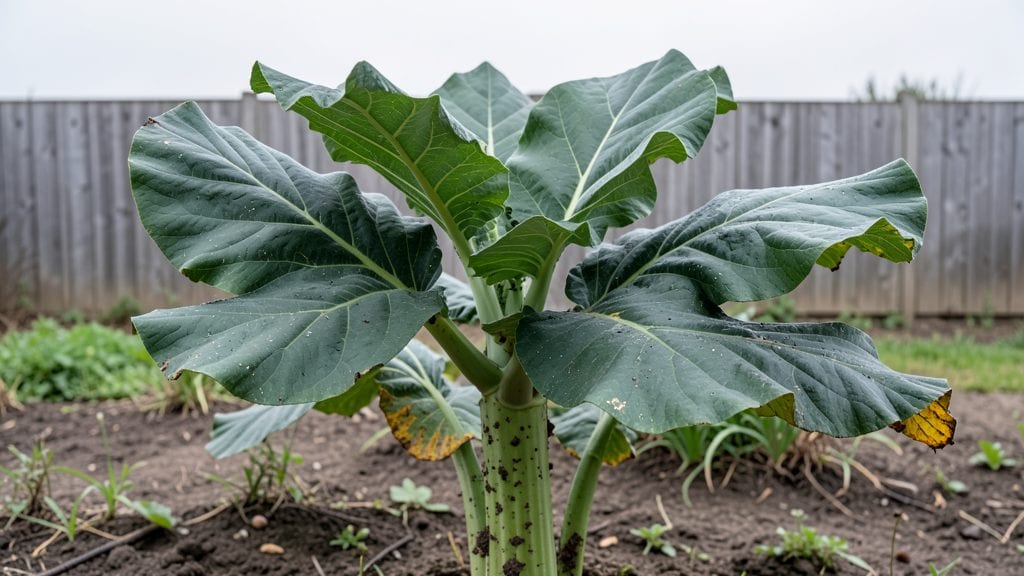
That tall rhubarb-looking plant you’ve spotted towering in your garden might not be rhubarb at all—it’s probably Gunnera manicata, the giant rhubarb, or another bold imposter 🌱.
If you’ve spotted it and assumed it was the classic spring harvest staple, you’re not alone. Many gardeners mistake these showy plants for true rhubarb, only to realize they’re ornamental giants with different care needs.
The good news? Learning to identify and grow them properly could add a dramatic, low-maintenance focal point to your garden.
Unlike traditional rhubarb, which thrives in USDA Zone 6a and needs precise timing for planting in March-April, these towering varieties often demand richer soil and more space.
They may not be edible, but their bold foliage and architectural presence make them a standout choice for gardeners who love drama over dinner-plate stalks.
In this guide, I’ll walk you through how to tell them apart, the ideal conditions for growing them, and why they might just be the game-changer your garden has been missing.


How to identify tall rhubarb-looking plants: key differences from true rhubarb
Spotting a tall, leafy plant with red-streaked stalks is exciting—until you realize it’s not the edible rhubarb (Rheum rhabarbarum) you hoped for. Many plants mimic rhubarb’s dramatic height and bold foliage, but their care needs and uses differ wildly.
Misidentifying them can lead to wasted garden space, failed harvests, or even accidental poisoning (yes, some lookalikes are toxic!). Let’s break down the key visual clues and growth habits that separate true rhubarb from its impostors.
First, consider the leaf structure. True rhubarb has large, arrowhead-shaped leaves with pointed lobes, while Gunnera manicata (giant rhubarb) boasts round, shield-like leaves that can reach 5 feet wide.
The stalk color also varies—rhubarb stalks are reddish-pink when mature, but Rheum palmatum (ornamental rhubarb) often sports green or yellow-green stalks. These differences aren’t just cosmetic; they dictate how you’ll harvest, prune, and fertilize your plant.
Here’s where it gets tricky: some lookalikes, like Phormium tenax (New Zealand flax), mimic rhubarb’s height but lack edible stalks entirely. Others, such as Sisyrinchium (blue-eyed grass), are tiny in comparison but share a similar grass-like leaf structure.
Understanding these distinctions ensures you’re not accidentally planting a non-edible ornamental where you wanted a culinary staple. Let’s dive into the visual and growth habit comparisons to clear up the confusion.
Why does this matter? True rhubarb thrives in cool climates and produces edible stalks for pies and compotes, while Gunnera manicata becomes a water-loving giant that needs moist, bog-like soil. Planting the wrong variety in the wrong spot can lead to stunted growth, pest infestations, or even plant death. For example, Rheum palmatum is prized for its ornamental value but won’t yield the tart stalks you crave in baking.
Now, let’s compare the most common rhubarb lookalikes side by side. This visual guide will help you spot the differences at a glance, whether you’re browsing a nursery or assessing your own garden beds.
The leaf shape is your first clue—true rhubarb’s arrowhead lobes are unmistakable once you know what to look for. Meanwhile, Gunnera manicata leaves resemble elephant ears and can overwhelm a garden bed if not contained.
Pay attention to the stalk color too: reddish-pink stalks scream edible rhubarb, while green stalks often mean you’re dealing with an ornamental variety.
Another critical difference is growth habit. True rhubarb forms compact clumps with multiple stalks per crown, while Gunnera manicata sends up single, towering stalks that can top 10 feet. This giant grows best in wet, boggy soil and requires regular staking to prevent flopping.
If you’re growing it for ornamental impact, its dramatic leaves make it a statement piece in shady gardens.
For Rheum palmatum, the purple-tinged stems and palmate leaves
Growing a tall rhubarb-looking plant: best practices for soil, sun, and harvesting
If you’re growing Gunnera manicata (giant rhubarb) or ornamental rhubarb, you’ll love how these plants dominate your garden with their bold, architectural leaves. Unlike edible rhubarb, these varieties focus on ornamental value and low-maintenance growth, thriving in the right conditions.
The key to success lies in understanding their unique care requirements, which differ significantly from traditional rhubarb.
From moist, fertile soil to partial shade tolerance, these plants reward gardeners with minimal effort. Overwintering can be tricky in colder zones, but with the right prep, your giant rhubarb will bounce back stronger each spring.
Let’s break down the essentials for growing these striking plants to their full potential.
🌱 Essential Care Steps for Giant Rhubarb
- 🌿 Soil Prep: Amend heavy clay with compost and sand for drainage. Aim for 6.0-7.0 pH.
- ☀️ Sunlight: Plant in partial shade (4-6 hours sun). Avoid harsh afternoon sun in hot climates.
- 💧 Watering: Keep soil consistently moist but never soggy. Mulch to retain moisture.
- ✂️ Pruning: Remove damaged leaves in early spring. Never cut healthy foliage—it fuels growth!
- 🌡️ Winter Care: Cut back dead leaves in late fall. Mulch heavily in zones < Zone 6.
"Giant rhubarb’s massive leaves can reach 5 feet wide—plan spacing accordingly!"
For Gunnera manicata, focus on moisture retention—these plants love damp conditions but hate waterlogged roots. In containers, use a large pot (20+ gallons) with drainage holes.
If your soil drains poorly, consider raised beds with a gravel base to prevent rot. Fertilizer isn’t critical, but a balanced 10-10-10 in early spring encourages lush growth.
Harvesting is a non-issue for ornamental varieties—never cut leaves! Instead, let them grow unchecked for maximum impact. If you’re growing edible rhubarb varieties like Rheum palmatum, harvest stalks at 10-12 inches when firm. For giant rhubarb, enjoy the dramatic foliage as a garden statement piece.
In colder climates, protect the crown with mulch or a cloche during hard freezes. Gunnera is hardy to Zone 5, but young plants may need winter wraps. By next spring, your tall rhubarb lookalike will reward you with bold, tropical vibes—no cooking required!
Pro tip: Pair giant rhubarb with hostas or ferns for a lush, woodland garden. Its giant leaves create stunning backdrops for smaller perennials. With these care tips, your rhubarb-like plant will thrive for decades with minimal fuss.