
Plants
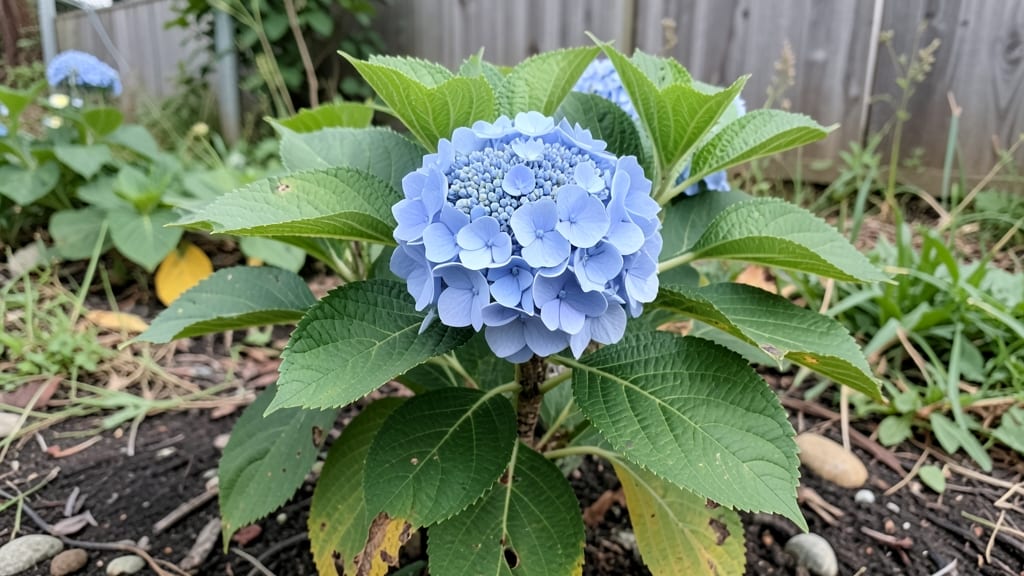
A bigleaf hydrangea plant thrives when pruned strategically in late winter or early spring, cutting back old wood to boost bloom size while protecting new growth for vibrant flowers. Proper timing, sharp tools, and technique ensure healthy, abundant blooms year after year.
A bigleaf hydrangea plant's blooms come from last year's growth, so pruning at the right time is everything. 🌸 Cutting too early can remove next year's flower buds, while waiting too long risks stunted growth.
I always prune right after the last frost but before new shoots emerge—this gives the plant energy to focus on fresh blooms. The key is to never cut more than 1/3 of the plant at once, as this stresses the roots and reduces flowering potential.
What most gardeners miss is how tool sharpness affects healing. Dull blades crush stems instead of cleanly cutting them, inviting disease. I disinfect my pruners with rubbing alcohol between cuts to prevent bacteria spread.
After pruning, I water deeply and add a layer of mulch to retain moisture—this helps the plant recover faster and sets it up for a stronger blooming season.
💡 In This Article
- Best Pruning Times for Bigleaf Hydrangeas
- Step-by-Step Pruning Guide for Bigleaf Hydrangeas
Best pruning times for bigleaf hydrangeas
Bigleaf hydrangeas produce flowers on old wood—last year's growth—that remains dormant through winter. The buds form in late summer on these stems, but they need a period of cold dormancy (typically 10-15°F for 4-6 weeks) to fully develop.
Pruning too early disrupts this process, while waiting too long risks removing next year's blooms before they form. The sweet spot is late winter when the plant is still dormant but before new shoots emerge—usually February to early March in most climates.
Here's what's happening scientifically: During dormancy, the plant's energy shifts from growth to root development and bud formation. Cutting back old stems removes potential blooms, but it also stimulates new growth from the base.
The key is to time your cuts when the plant is biologically ready—after the worst cold snaps but before sap starts flowing. In warmer regions (Zones 8-9), this might extend to March or even April, while colder zones (Zones 3-6) should prune by mid-March at the latest.
Temperature plays a critical role in pruning success. Pruning too early (below 40°F) can shock the plant, while waiting until spring warmth (above 55°F) risks removing flower buds before they open.
The ideal window is when daytime temps consistently stay above 50°F but nights remain cool (40-45°F). This balance ensures the plant can heal quickly without stress. Avoid summer pruning entirely—it stresses the plant during its active growth phase and invites pests.
What most gardeners don't realize is how pruning affects the plant's hydraulic system. Each cut stem is like a broken pipe—water and nutrients can't flow properly to remaining branches.
That's why I always make clean cuts at a 45-degree angle just above a leaf node, about 1/4 inch above a bud. This promotes faster healing and reduces disease risk.
After pruning, the plant redirects energy to new growth, which is why you'll see fresh shoots within 2-3 weeks if timed correctly.
Consider these seasonal factors when planning:
- Late Winter (Feb-Mar): Best time in most climates—plant is dormant, buds are protected
- Early Spring (Apr): Only for Zone 8-9; risk increases as buds form
- Summer/Fall: Never prune—causes stress, invites pests, and removes current blooms
The science behind this timing involves photoperiodism—the plant's response to daylight changes. As days lengthen in spring, the plant prepares to flower. Pruning too early disrupts this hormonal signal, while waiting too long removes the stems where buds have already formed.
The result? Fewer, smaller blooms or no flowers at all. 🌸