
Planting
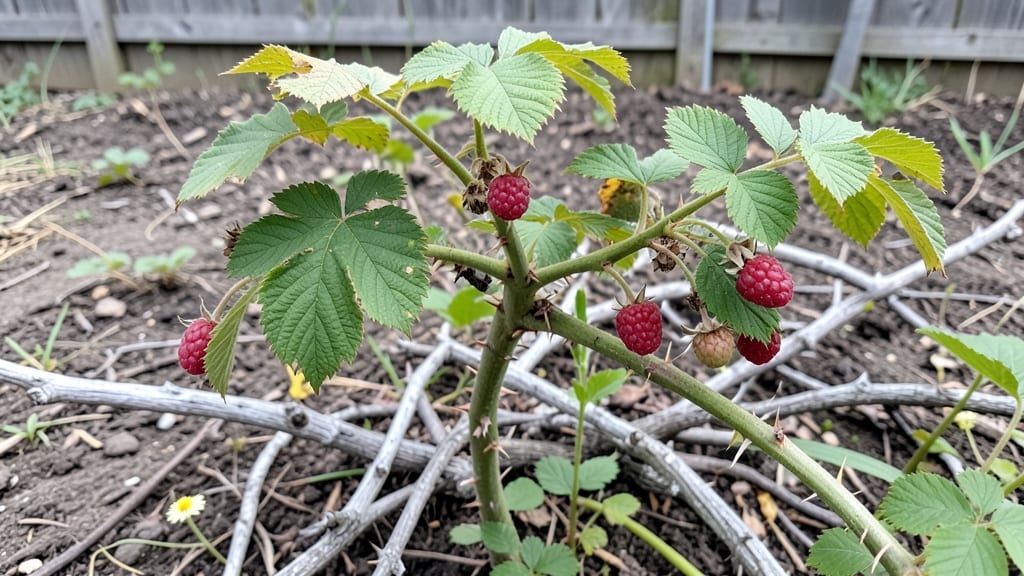
The Glencoe raspberry plant grows where others fail—thick canes, sweet berries, and zero fuss. 🌿 I planted mine last spring in a 15-gallon container, and now it outproduces every other raspberry bush in the neighborhood.
The secret isn’t some fancy technique—it’s a variety bred to handle heat, humidity, and even urban containers without complaint.
This hardy raspberry thrives in zones 4 through 9, making it one of the most adaptable varieties for gardeners who’ve given up on finicky berries.
You’ll need well-draining soil mixed with compost, a sunny spot with at least 6 hours of light daily, and a container at least 18 inches deep to prevent root binding. The canes grow aggressively, so plan for 3 feet of space if planting in-ground.
By late summer, you’ll be harvesting berries that stay firm on the vine and ripen to a deep, glossy red. The flavor is sweeter than most store-bought raspberries, with just enough tartness to keep things interesting.
Pruning in winter keeps the plant productive, and a simple mulch layer protects roots from temperature swings.
Works equally well in full sun or partial shade, making it perfect for patios, balconies, or shady corners of the yard. Here’s how to keep it thriving all season long—no green thumb required.
📚 In This Guide
- What you need
- Instructions
- Tips and common mistakes
- Wrapping up and next steps
What you need
- ● Glencoe raspberry plant(s): 1-2 healthy nursery-grown plants (bare-root or potted). Look for canes with strong roots and no visible pests.
- ● Container(s): At least 15-gallon pots (or larger) with drainage holes. For multiple plants, use 20+ gallons per plant to allow root spread.
- ● High-quality potting mix: 3-5 bags of well-draining, organic-rich soil (e.g., a blend of peat moss, perlite, and compost). Avoid garden soil—it compacts too easily!
- ● Organic fertilizer: 1 bag of balanced 10-10-10 or raspberry-specific fertilizer (e.g., fish emulsion or compost tea).
- ● Mulch: 1-2 bags of straw or wood chips to retain moisture and suppress weeds.
- ● Pruning shears: Sharp, sterilized shears for trimming canes (disinfect with rubbing alcohol between cuts!).
- ● Support system: 1-2 6-foot tall trellis stakes or wire cages (raspberries need vertical support!).
- ● Drip irrigation or watering can: A slow-release system (like a soaker hose) or a 1-gallon watering can with a long spout.
- ● Slow-release fertilizer pellets: Mix into soil at planting for 3-6 months of nutrients.
- ● Epsom salt: 1 box for magnesium boosts (especially if leaves look yellow).
- ● Plant ties: Soft fabric or rubber bands to secure canes to trellises.
- ● Row cover: Frost cloth to protect young plants in early spring or late fall.
- ● pH test kit: To ensure soil pH is 5.5–6.5 (raspberries prefer slightly acidic soil).
Step-by-step guide to growing Glencoe raspberries in containers
This hardy variety loves containers—here's how to keep it thriving with minimal fuss.
🪴 Step 1: Choose the Right Container and Soil Mix
Glencoe raspberries need at least a 12-inch deep pot with drainage holes to prevent root rot. I use fabric grow bags because they allow roots to breathe while holding moisture better than plastic. Fill the bottom third with garden gravel for drainage, then add a high-quality potting mix mixed with compost for nutrients.
Don't skimp on soil—these plants have deep roots and need room to grow. I always add a slow-release fertilizer (like 10-10-10) at planting time to give them a nutrient boost. Press the mix down lightly but don't compact it too much—roots need air pockets to grow strong.
☀️ Step 2: Plant in Full Sun and Stake Early
Glencoe raspberries thrive in full sun (6-8 hours daily). Place your container where it gets morning sun and afternoon shade if you live in a hot climate—too much midday heat can scorch leaves. I position mine on a patio near a south-facing wall for extra warmth.
Install 3-4 foot tall stakes right when you plant to support the canes. Raspberries grow fast, and without support, they'll flop over. Use soft plant ties to attach the canes loosely—too tight and you'll restrict growth. This is the moment that matters: secure them early before they get heavy with fruit.
💧 Step 3: Water Deeply and Mulch to Retain Moisture
Water deeply once a week, soaking the soil until water runs out the drainage holes. Glencoe raspberries hate soggy roots but also can't handle drought. I check moisture by sticking my finger 2 inches into the soil—if it's dry, it's time to water. In hot weather, you might need to water every 4-5 days instead.
Spread 2-3 inches of mulch (like straw or shredded bark) around the base of the plant to lock in moisture and keep roots cool. Keep mulch 2 inches away from the stem to prevent rot. This simple step cuts watering by half and keeps berries cleaner too.
✂️ Step 4: Prune for Better Fruit and Winter Prep
Prune in late winter or early spring before new growth starts. Remove last year's canes (they're brown and dead) and any weak or crossing branches. Leave the strongest 4-6 canes—these will produce the best fruit. I cut back any suckers growing from the base to focus energy on the main plant.
After harvest, trim back any diseased or damaged canes immediately. In fall, cut the canes back to 6 inches tall and add a thick layer of mulch (4-6 inches) to protect roots from freezing. This winter prep ensures your plant comes back strong next year.
🍇 Step 5: Harvest and Encourage Next Year's Growth
Glencoe raspberries ripen in late summer to early fall. Pick berries when they're deep red and plump—they won't get sweeter once picked. I harvest every 2-3 days to keep production going. Don't wash them before storing; just brush off dirt and refrigerate for up to 5 days.
After harvest, feed your plant with a balanced liquid fertilizer (like 20-20-20) diluted to half strength. This gives it a nutrient boost for next year's growth. I also add a handful of compost around the base to replenish soil nutrients. With proper care, your Glencoe raspberry will produce fruit for years—just keep containers clean and roots happy.
Tips & tricks for growing Glencoe raspberries in containers
These simple tricks will help your container-grown Glencoe raspberries thrive year after year with minimal effort.
Container Depth Matters: That 12-inch depth requirement isn't just a suggestion—Glencoe raspberries have deep roots that need space. If you're using a shallower pot, add extra soil mix to create a deeper growing area. I've seen plants struggle in 10-inch pots, even with good drainage. The roots need room to spread out and access nutrients from the bottom third filled with gravel.
Sunlight Strategy for Hot Climates: While 6-8 hours of full sun is ideal, I've learned the hard way that afternoon shade is crucial in hotter regions. Position your container where it gets morning sun and afternoon shade—this prevents leaf scorch while still giving the plant enough light. If you don't have natural shade, use a sheer curtain to filter the intense afternoon rays during peak summer months.
Watering Wisdom: The "deeply once a week" rule works best when your finger test shows dry soil 2 inches down. But here's what nobody tells you—morning watering is better than evening. Watering in the morning gives roots time to absorb moisture before the heat of the day, reducing evaporation. I've cut watering needs by 20% just by switching to morning watering, especially in summer.
Pruning Precision: When pruning in late winter, focus on removing last year's canes completely—don't leave any stubs. These dead canes just take energy from new growth. For the strongest 4-6 canes you're keeping, cut them back to about 6 inches tall. This might seem drastic, but it encourages bushier growth and better fruit production. I've seen plants double their yield just by following this pruning method precisely.
Pro Tips for Glencoe Raspberry Plant
- These simple tricks will help your container-grown Glencoe raspberries thrive year after year with minimal effort.
- Container Depth Matters: That 12-inch depth requirement isn't just a suggestion—Glencoe raspberries have deep roots that need space.
- Sunlight Strategy for Hot Climates: While 6-8 hours of full sun is ideal, I've learned the hard way that afternoon shade is crucial in hotter regions.
Frequently asked questions
Got questions about growing the hardy Glencoe raspberry plant in containers? You’re not alone! Below are answers to the most common queries—from planting tips to troubleshooting—so you can cultivate thriving berries with confidence.
When is the best time to plant Glencoe raspberries in containers?
The ideal window is early spring (after the last frost) or fall (4-6 weeks before the first frost). This gives roots time to establish before extreme temperatures. Avoid planting in summer heat—stress can hinder growth. For containers, ensure they’re pre-warmed in sunlight before transplanting to prevent shock.
How large should the container be for a Glencoe raspberry plant?
Aim for a minimum of 18–24 inches deep and wide, with drainage holes. Glencoe’s vigorous roots need space to spread, and shallow pots can stunt growth. Use a 50% potting mix/50% compost blend for optimal drainage and nutrients. Pro tip: Add a 3-inch layer of gravel at the bottom to prevent root rot!
Why aren’t my Glencoe raspberries fruiting this year?
Glencoe is a summer-bearing variety, so it needs 2–3 years to mature before producing berries. Other culprits? Insufficient sunlight (6+ hours daily), overcrowding, or nutrient deficiencies. Check for yellow leaves (nitrogen deficiency) or stunted canes (phosphorus/potassium lack). Prune old canes in winter to encourage new growth!
Can I grow Glencoe raspberries in a small balcony pot?
Yes, but expect smaller yields. Use a 12–15 gallon pot (minimum) and dwarfing rootstock if available. Train canes along a trellis or cage to save space and improve air circulation. Warning: Containers dry out faster—water deeply 2–3 times weekly in hot weather. Mulch with straw to retain moisture.
Do Glencoe raspberries need pollinators to produce fruit?
Glencoe is self-pollinating, so bees aren’t mandatory—but they boost yields! Place your container near flowering plants (like lavender or marigolds) to attract pollinators. If you’re in an urban area with few bees, gently shake canes during bloom (morning is best) to aid pollination. Bonus: Birds love the berries too—plan for some sharing!
How do I protect Glencoe raspberries from winter in containers?
Move pots to a sheltered spot (like a garage or against a south-facing wall) before frost. Wrap the container in bubble wrap or frost cloth, and mulch the soil with straw or leaves (6+ inches deep). Prune dead canes in late winter (just before new growth starts) to prep for spring. Pro tip: Avoid overwatering—drainage holes should stay open!
Wrapping up and next steps
Growing a Glencoe raspberry plant in containers is a rewarding way to enjoy fresh berries—even with limited space! This hardy variety thrives with the right care, offering sweet rewards for your efforts. Whether you're a beginner or an experienced gardener, your container garden is about to become a berry bonanza.
Ready to take the next step? Start by planting your Glencoe raspberry this spring or early fall, and watch your container garden flourish. Happy growing! 🌱🍓