
Watering
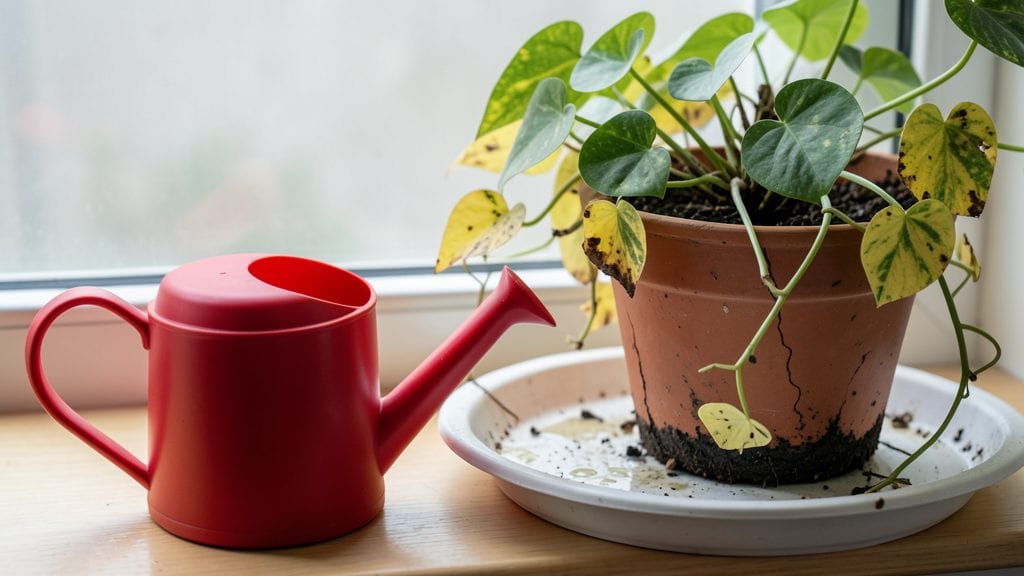
Your pot plant’s yellowing leaves and mushy roots aren’t a death sentence—just a cry for help. 🌱 After drowning my first snake plant (yes, even succulents can get it wrong), I learned that fixing overwatered plants comes down to three simple swaps: better drainage, lighter soil, and a new watering rhythm.
The key is acting fast before root rot sets in.
Most people think wilting means thirsty, but soggy soil strangles roots faster than dry spells ever could. I now check soil moisture with two fingers—if it’s damp past the first inch, I wait.
Swap heavy potting mix for one with perlite or orchid bark, and choose pots with drainage holes (yes, even decorative ones). These changes stop the cycle of overwatering in its tracks.
Within two weeks, you’ll see new growth pushing through as roots recover. The leaves turn a vibrant green again, and the plant regains its sturdy structure. The best part? Once you adjust your routine, you’ll spot the signs of overwatering before they become a problem—no more guesswork, just healthy plants.
This method works for every type of pot plant, from ferns to fussy calatheas. The secret isn’t complicated—it’s consistent. Start with these three swaps, and you’ll have a plant that thrives instead of one that just survives.
The Hidden Triggers Behind Too-Wet Pots
If your pot plant looks more like a soggy sponge than a thriving green friend, you’re likely dealing with overwatering—a silent killer of houseplants. But why does this happen so often?
The answer lies in a mix of human habits, plant biology, and environmental quirks. Let’s break down the real culprits behind that perpetually damp soil.
Plants don’t drink like we do—they absorb water through their roots, but too much moisture stifles oxygen flow, leading to root rot. Many gardeners assume "more water = happier plant," but most houseplants (like snake plants or pothos) thrive on drought tolerance, not constant hydration.
- Science behind it: Roots need oxygen to respire (yes, they "breathe"!). Waterlogged soil displaces oxygen, suffocating roots and inviting Pythium or Phytophthora fungi.
- Actionable fix: Stick your finger 1–2 inches into the soil. If it’s damp, wait. If it’s bone-dry, water deeply—but only until excess drains out.
Pots without drainage holes are a one-way ticket to root rot. Water pools at the bottom, creating a swampy environment where roots can’t escape excess moisture. Even "self-watering" pots can backfire if not monitored.
- Science behind it: Clay or terracotta pots dry faster than plastic, but no holes = no escape. Over time, compacted soil traps water, and salts build up, burning roots.
- Actionable fix:
- Add a layer of perlite or gravel at the bottom of pots for drainage.
- Upgrade to pots with holes—or drill them yourself!
- Use well-draining soil mixes (avoid heavy garden soil).
Humidity and temperature directly affect how fast soil dries. A steamy bathroom or a chilly windowsill can slow evaporation, keeping soil damp longer than expected. Meanwhile, dry air (like from a heater) might trick you into overwatering to "compensate."
- Science behind it:
- High humidity: Slows evaporation, so soil stays wet for days.
- Low humidity + heat: Causes water to evaporate fast, but overwatering in response can drown roots.
- Actionable fix:
- Move pots away from bathrooms, kitchens, or AC vents.
- Use a hygrometer to monitor humidity—ideal levels vary by plant (e.g., 40–60% for most houseplants).
- Group plants together to create a microclimate with balanced moisture.
"Water every Tuesday!" sounds productive, but plants don’t follow calendars. Seasonal changes, light levels, and even your plant’s growth stage alter its water needs. A strict schedule often leads to chronic overwatering.
- Science behind it: Plants in active growth (spring/summer) need more water, while dormant ones (winter) barely sip. Ignoring this = soggy soil.
- Actionable fix:
- Switch to the "finger test" (check soil moisture weekly).
- Adjust watering based on light exposure—south-facing plants dry faster than north-facing ones.
- Let the top 50% of soil dry out between waterings (adjust for pot size).
Not all soils are created equal. Heavy, clay-based mixes hold water like a sponge, while sandy or peat-heavy soils dry out too fast—but can still trap moisture if compacted. Meanwhile, small pots dry out quickly, tricking you into overwatering.
- Science behind it:
- Compacted soil: Reduces aeration, slowing drainage.
- Peat moss (if not balanced): Breaks down over time, reducing drainage.
- Small pots: Roots fill the space fast, but the soil stays wet longer.
- Actionable fix:
- Use a lightweight, airy mix (e.g., 50% potting soil + 30% perlite + 20% orchid bark).
- Repot into a slightly larger container (1–2 inches bigger in diameter) to give roots room to breathe.
- Avoid garden soil—it’s too dense and retains too much moisture.
Most overwatering mistakes stem from good intentions gone wrong. The key? Observe, adjust, and trust your plant’s signals—yellowing leaves, wilting, or moldy soil are its way of saying, "I’m drowning!"
Fix Your Plant’s Water Woes
When your pot plant looks more like a soggy sponge than a thriving green friend, it’s time to roll up your sleeves and take action. Overwatering can feel like a slow-motion disaster—yellow leaves, mushy stems, and that too-wet-soil smell—but the good news?
Most cases are reversible with a few smart swaps. Below, we’ll match your plant’s symptoms to the right fix, plus tips to keep things fresh moving forward.
Before you do anything else, stop watering immediately. Let the soil dry out a little—even if it feels drastic. Overwatered plants need time to recover, and forcing more water in will only drown them faster.
How to tell if it’s too wet?
- Finger test: Stick your finger 1–2 inches into the soil. If it’s damp or sticky, hold off on watering.
- Weight check: Lift the pot. If it feels heavy (like a water balloon), it’s holding too much moisture.
- Smell test: A musty or rotten odor? That’s a red flag for root rot.
Action steps:
- Move to a brighter spot (but avoid direct sun—think "gentle sunlight").
- Let excess water escape: If the pot has no drainage holes, prop it on a towel or elevated surface to air out the bottom.
- Wait 2–3 days before checking again. Patience is key!
If your plant’s stems feel squishy or roots look dark and slimy, root rot has set in. Don’t panic—you can still save it!
Fix it:
- Remove the plant from the pot and gently rinse the roots under lukewarm water to wash away gunk.
- Trim the rot: Use clean scissors to snip off any black, mushy roots. Healthy roots are firm and white or light tan.
- Repot in fresh soil: Choose a well-draining mix (add perlite or sand if yours is heavy clay). Pick a pot 1–2 inches larger—bigger isn’t always better for recovery.
- Water lightly: Give it just enough to moisten the soil, then wait 5–7 days before watering again.
💡 Pro tip: Add a handful of orchid bark or coconut coir to the new soil mix to boost drainage.
Yellow leaves (especially lower ones) often mean the roots are struggling. Here’s how to nurse them back to green:
H3: Fix Overwatered Yellow Leaves
- Prune the sad leaves: Snip off yellow or brown leaves with clean scissors. This helps the plant focus energy on new growth.
- Check humidity: Overwatered plants often suffer in dry air. Mist the leaves lightly or place a tray of water nearby (but not under the pot).
- Adjust your watering schedule: Wait until the top 1–2 inches of soil are dry before watering again. Stick your finger in—it’s the best tool!
🌡️ Prevention tip: Group plants together to create a microclimate with higher humidity.
Even after fixing the problem, these habits can bring it back: - Using heavy soil: Clay or garden soil holds too much moisture.
Switch to a light, airy potting mix with perlite or vermiculite. - Ignoring pot size: Small pots dry out faster, but big pots stay soggy longer.
Size up only when necessary (usually every 1–2 years). - Skipping drainage holes: If your pot doesn’t have them, drill a few or use a cache pot (a decorative outer pot with a removable inner one). - Watering on a schedule: Plants need water based on their needs, not your calendar.
Learn to read the soil!
Once your plant is back in shape, keep it thriving with these habits: - Water deeply but infrequently: Give a slow drink until water runs out the drainage hole, then wait. - Use the "thumb test": Press your thumb into the soil.
If it feels dry 1 inch down, it’s time to water. - Monitor your plant’s signals: Drooping? Check the soil. Yellow leaves? Reassess watering. - Rotate pots occasionally: Ensures even light exposure and prevents one side from getting waterlogged.
Remember: Every plant is different—what works for a fern might kill a succulent. Pay attention, adjust as you go, and soon you’ll have a happy, hydrated houseplant that doesn’t need rescuing!
Frequently asked questions
Why do my plant's leaves turn yellow when I water it?
Yellowing leaves are often the first sign of overwatering. When roots sit in soggy soil, they can't absorb oxygen properly, causing leaves to lose nutrients and turn yellow. This happens most commonly with plants like ferns, calatheas, or snake plants that prefer drier conditions. Check the soil moisture with your finger—if it's damp past the first inch, hold off on watering.
Can I save a plant with mushy stems and black roots?
Yes, but you'll need to act fast! First, remove the plant from its pot and rinse the roots under lukewarm water to clean away gunk. Trim off all black, mushy roots with clean scissors, keeping only firm white or tan roots. Repot in fresh, well-draining soil and water lightly—just enough to moisten the soil. Keep it in bright, indirect light and avoid watering for at least 5-7 days to help it recover.
How often should I water my pot plant?
There's no one-size-fits-all answer, but most houseplants prefer their top 1-2 inches of soil to dry out completely between waterings. The best method? Use the finger test: stick your finger into the soil. If it feels dry, it's time to water. Adjust based on your plant type—succulents need less, while tropical plants like ferns may need more frequent watering.
What's the best pot for preventing overwatering?
Choose pots with drainage holes to allow excess water to escape. If your decorative pot doesn't have holes, use a cache pot system (a removable inner pot with drainage). Terracotta pots dry out faster than plastic, but they can crack in freezing temperatures. For best results, select pots that are only 1-2 inches larger than your plant's current root ball to prevent soil from staying too wet.
Can I use coffee grounds or other kitchen scraps in my plant's soil?
While coffee grounds add nutrients, they can also make soil too dense and water-retentive, worsening overwatering issues. If you want to use them, mix them sparingly (about 10% of your potting mix) and always combine with perlite or sand to improve drainage. Better alternatives for drainage include orchid bark, coconut coir, or vermiculite.