
How To
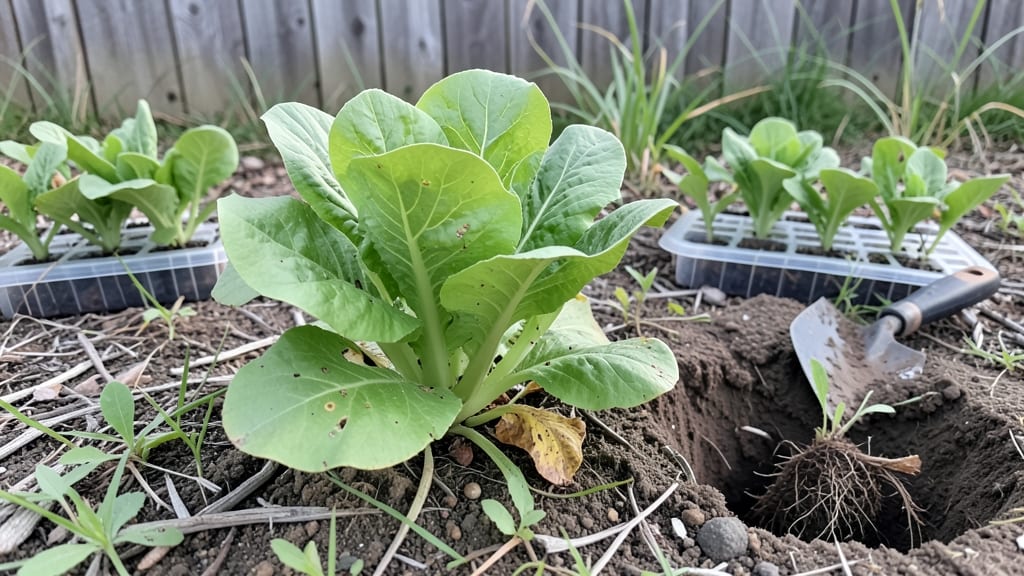
A succession planting schedule turns a single harvest into a never-ending bounty by replacing crops as soon as they're harvested. Last summer, I went from one sad tomato harvest to a steady supply all season—just by planting new seeds every three weeks.
The key isn't complicated: it's about timing, space, and knowing which crops play well together.
You'll need a simple notebook or planting chart, a few extra seed packets, and a basic understanding of your frost dates. Most gardeners start with fast growers like lettuce, radishes, or bush beans, then move to slightly slower crops like zucchini or kale.
Even in small spaces, you can squeeze in two or three harvests where one used to be.
By mid-July, you'll have fresh greens while tomatoes are ripening, and by September, you might still be harvesting carrots or peas. The garden never goes quiet—just like a well-tuned machine where every square foot works harder.
This schedule works for both vegetable patches and container gardens, adapting to your space and climate.
Fair warning: it takes practice to nail the timing, but once you do, you'll wonder how you ever grew just once a year. The payoff is worth the extra planning—imagine fresh salad greens in December or a final harvest of beans just before snow flies.
Let's break down how to make it work for your garden.
📚 In This Guide
- What you need
- Instructions
- Tips and common mistakes
- Wrapping up and next steps
What you need
- ● Seeds: Choose fast-maturing varieties (e.g., lettuce, radishes, beans, kale) for quick harvests. Plan for 3-5 rounds of planting per season.
- ● Seedlings: Transplant-ready starts (e.g., tomatoes, peppers, herbs) for immediate growth. Buy 2-4 plants per variety depending on space.
- ● Garden Soil: High-quality, well-draining potting mix or compost-amended soil (1-2 cubic yards for a 10’x10’ plot).
- ● Fertilizer: Balanced organic fertilizer (e.g., 10-10-10) for planting.
- ● Slow-release fertilizer (e.g., compost or worm castings) for ongoing nutrition.
- ● Watering Supplies: Hose with adjustable nozzle or drip irrigation system.
- ● Watering can (for seedlings, 1-2 gallons capacity).
- ● Tools: Hand trowel (for precision planting).
- ● Garden fork or transplanter (for minimal root disturbance).
- ● Pruners (for harvesting and shaping plants).
- ● Measuring tape (to map planting zones).
- ● Row covers or frost cloth (to extend early/late seasons).
- ● Plant markers (bamboo stakes or labels) to track varieties and dates.
- ● Garden journal (to log planting/harvest schedules).
- ● Shade cloth (for heat-sensitive crops).
- ● Organic mulch (e.g., straw or wood chips) (to retain moisture and suppress weeds).
How to plan a succession planting schedule for continuous harvests
A well-timed succession planting schedule keeps your garden productive all season long.
Determine Your Growing Season Length
First, identify your last frost date in spring and first frost date in fall—these mark your growing season boundaries. I always check my local cooperative extension office for precise dates, as they vary by region. For example, in Zone 5, the season spans roughly 140 days, while in Zone 8, it stretches to 270 days. Write these dates down—they’re the backbone of your schedule.
Next, divide your season into 3-4 week intervals (or 2-3 weeks for fast-growing crops like lettuce). This creates planting "windows" where you can stagger crops. For instance, if your season starts May 10, your first window might be May 1-15, with the next starting May 16-30. This ensures you’re never without fresh produce.
Group Crops by Days to Maturity
Organize your crops into three categories based on how long they take to harvest: fast (30-45 days), medium (45-60 days), and slow (60+ days). Fast crops like radishes or spinach go in early spring and late summer windows, while slow growers like broccoli or cabbage get planted in mid-season. I keep a simple chart with crop names, days to maturity, and ideal planting dates—it saves time and prevents overcrowding.
For example, if your season is 120 days long, you can fit four plantings of a 30-day crop (like lettuce) by spacing them 30 days apart. This ensures a steady supply without gaps. Pay attention to harvest windows too—some crops, like bush beans, produce all at once, while others, like carrots, offer a gradual harvest.
Plan for Overlapping Harvests
To avoid bare patches in your garden, layer crops so that as one finishes, another is ready to take its place. For instance, plant bush beans (60 days) in early June, followed by spinach (40 days) in late July, and then radishes (30 days) in early September. This way, you’re always harvesting something without leaving soil empty.
I like to map out my garden beds visually, sketching where each crop will go and when it will be harvested. This helps me spot conflicts—like planting two crops that need the same space at the same time. For example, if tomatoes take up a bed for 90 days, I’ll plan a fast-growing crop like bush peas (60 days) to follow them in the same spot.
Adjust for Seasonal Shifts
As temperatures rise or fall, some crops thrive while others struggle. In early spring, focus on cool-season crops like peas, lettuce, and carrots. By late spring, switch to warm-season crops like tomatoes, peppers, and cucumbers. Then, in late summer, bring back cool-season crops for a fall harvest. I always keep a monthly planting calendar to track these shifts.
For example, in Zone 6, I plant broccoli in early May for a late-summer harvest, then kale in late July for a fall harvest before frost. This two-step approach ensures I don’t miss out on either crop. If your season is shorter, stick to one crop per season for each plant type to avoid disappointment.
Monitor and Adjust in Real Time
Weather doesn’t always cooperate, so stay flexible. If an early frost threatens, rush to harvest or protect tender crops with row covers. If rain delays planting, adjust your schedule accordingly. I keep a small notebook in the garden to jot down notes like "planted beans on June 5" or "spinach bolted early this year." This helps me refine next year’s schedule.
Also, rotate crops to prevent soil depletion and disease. For example, if you planted tomatoes in a bed this year, avoid planting nightshades (like peppers) in the same spot next year. Instead, follow them with legumes (beans, peas) or brassicas (kale, cabbage). This keeps your garden healthy and productive for years to come.
Tips & tricks for perfect succession planting
These practical strategies will help you create a seamless, year-round harvest without the guesswork.
Season Length is Everything: Don't rely on general zone guidelines—check your local cooperative extension office for precise frost dates. In my experience, a 140-day season in Zone 5 allows for four plantings of 35-day crops, while a 270-day season in Zone 8 can support seven plantings. I always mark these dates on my calendar with colored tabs for quick reference during planning. The key is understanding how many planting windows your specific climate actually provides.
Visual Mapping Prevents Overcrowding: Sketch your garden beds before assigning crops, labeling each space with the crop type and harvest window. This simple visual tool helps me spot conflicts before they happen. For example, I noticed that planting bush beans (60 days) followed by spinach (40 days) in the same bed created perfect timing—no bare soil, no wasted space. Draw it out first, then plant with confidence.
Flexibility is Your Friend: Weather rarely follows the plan, so build buffer time into your schedule. If your 30-day radishes take 35 days due to cool weather, that's okay—the next crop can shift by a week. I keep a small notebook in my garden to record actual planting and harvest dates, which becomes my most valuable reference for next year. This real-time tracking helps me adjust without losing the continuity of harvests.
Crop Rotation Saves Long-Term: The rotation system mentioned in Step 5 isn't just about preventing disease—it's about maintaining soil health. I follow tomatoes with legumes (like bush peas) because they add nitrogen to the soil, creating perfect conditions for the next crop. This simple practice has kept my garden productive for over a decade without needing expensive soil amendments.
Pro Tips for Succession Planting Schedule
- These practical strategies will help you create a seamless, year-round harvest without the guesswork.
- Season Length is Everything: Don't rely on general zone guidelines—check your local cooperative extension office for precise frost dates.
- Visual Mapping Prevents Overcrowding: Sketch your garden beds before assigning crops, labeling each space with the crop type and harvest window.
Frequently asked questions
Got questions about succession planting? You’re not alone!
Here are answers to the most common ones to help you master year-round harvests with ease.
What’s the best succession planting schedule for beginners?
Start with fast-growing crops like lettuce, radishes, or bush beans—they mature quickly (30–60 days) and give you instant success. Plant them every 2–3 weeks after the last frost. For longer-season crops (e.g., tomatoes, peppers), use transplants every 4–6 weeks to stagger harvests. Keep a simple chart or app to track planting dates!
How do I adjust my schedule for my specific climate?
Use your frost dates (check the USDA Plant Hardiness Zone Map) as your guide. In hot climates, focus on shade-tolerant crops (e.g., Swiss chard, kale) in summer. In cool regions, prioritize cold-hardy greens (spinach, arugula) in early spring/fall. Extend seasons with row covers or cold frames to push boundaries!
What if my first succession planting fails?
Don’t panic! Common issues include overcrowding (thin seedlings early), poor soil (test pH and amend), or pests (use row covers or companion planting). Try a small-scale test with one crop first. Keep notes on what worked—and what didn’t—to refine your next schedule.
Can I succession plant perennials or slow-growing crops?
Succession planting works best with annuals, but you can interplant perennials (like herbs or asparagus) with fast growers. For slow crops (e.g., squash, corn), focus on spacing and companion planting (e.g., marigolds to deter pests). Think of it as layered gardening—use vertical space too!
How do I remember when to replant?
Set phone reminders or use a wall calendar with sticky notes for key dates. Many gardeners also tie color-coded flags to stakes (e.g., red = plant, green = harvest). Apps like Gardenate or Farmer’s Almanac sync with your location for personalized alerts.
Wrapping up and next steps
Mastering a succession planting schedule is your ticket to a garden that never stops giving! 🌱 By strategically timing your crops, you’ll enjoy fresh harvests all year—reducing waste, saving money, and savoring homegrown goodness. Start small, track your progress, and soon you’ll be a pro at keeping your garden thriving.
Ready to take the next step? Pick one crop to test this season—whether it’s lettuce, radishes, or herbs—and map out a simple 30-day planting plan. Your future self (and taste buds!) will thank you.