
Advice
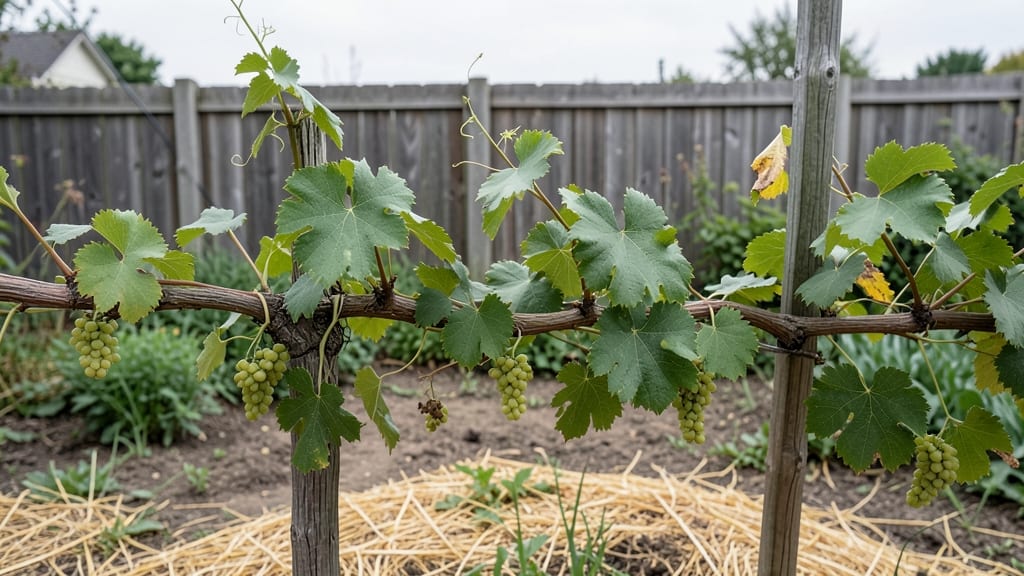
Grape planting zones depend on USDA hardiness ratings, with most varieties thriving in zones 5-9, though cold-hardy types like Concord or Niagara can survive down to zone 3. Warm-climate grapes like Muscat or Thompson Seedless prefer zones 8-11 for optimal growth and sugar development.
Choosing the right grape varieties for your region isn't just about temperature—it's about matching your local climate's unique challenges. Cold-hardy grapes like Concord can handle zone 3 winters with proper winter protection, while heat-loving varieties such as Muscat need zones 8-11 to develop their signature sweetness.
Many gardeners overlook humidity tolerance; for example, Cabernet Franc thrives in zone 6's cooler, wetter climates better than Cabernet Sauvignon. I always recommend checking both the USDA zone and your local frost dates—some zone 7 areas can still see late spring frosts that damage tender buds. 💫
For organic growers, disease-resistant varieties like Chardonnay (zone 5) or Pinot Noir (zone 6) are game-changers—they reduce fungicide needs while delivering excellent fruit. If you're in a drought-prone area, look for deep-rooted varieties like Syrah (zone 8+) that conserve water better than shallow-rooted types.
The key is balancing your climate's extremes with the grape's natural resilience—whether that means selecting early-ripening varieties for short seasons or choosing thick-skinned grapes for windy coastal regions.
💡 In This Article
- How USDA Zones Determine Grape Variety Success
- Top Grape Varieties by Climate Region
How USDA zones determine grape variety success
The USDA Plant Hardiness Zone Map isn't just about average winter lows—it's a complex equation balancing bud hardiness, cane hardiness, and chill hour requirements.
Buds (where next year's growth forms) are far more delicate than canes (woody stems), with cold-hardy varieties like Concord grapes surviving -25°F bud temperatures while their canes tolerate -15°F. This explains why a zone 4 grower might lose buds but save the vine itself.
The science lies in grapevine physiology: buds contain undifferentiated cells that can withstand freezing through supercooling, but only if they've properly hardened off during autumn.
Frost dates matter more than absolute temperatures. Late spring frosts after bud break can devastate vines, even in zone 6 areas. For example, Pinot Noir—a zone 6 favorite—needs 500-700 chill hours below 45°F to break dormancy properly. Without these, vines flower poorly or produce sparse fruit.
Heat tolerance works similarly: Muscat grapes in zone 10 need consistent daytime highs above 85°F to develop their signature sweetness, but prolonged 95°F+ temperatures can cause sunburn on exposed berries. The balance between chill accumulation and heat exposure determines whether grapes ripen properly or shrivel on the vine.
Extreme climates create unique challenges. In humid zones (7-9), grapes like Cabernet Sauvignon face powdery mildew risks unless you choose disease-resistant hybrids or use fungicides. The fungus thrives in 70-80°F temperatures with high humidity—ideal conditions for zone 8 summers.
Conversely, arid zones (9-11) require drought-tolerant varieties like Syrah, which develops thick cuticles to retain moisture. Even within zones, microclimates matter: Coastal zone 8 areas may have milder winters but more wind exposure, while inland zone 8 might have hotter summers and less disease pressure.
What most gardeners overlook is the interaction between temperature and photoperiod. Grapevines use day length to time flowering, but extreme northern zones (3-5) with short growing seasons benefit from early-ripening varieties like Niagara.
These grapes complete their life cycle in 120-140 days, while zone 9 varieties like Zinfandel need 180+ days. The trade-off? Northern grapes often have lower sugar content unless given extra warmth.
This is why some zone 6 growers use black plastic mulch to raise soil temperatures by 5-10°F—a small tweak that can push grapes from "table" to "dessert" quality.
Here's what actually happens at the cellular level: Cold hardiness involves antifreeze proteins that prevent ice crystal formation in grapevine tissues. Heat tolerance relies on heat shock proteins that protect enzymes during 100°F+ days.
The result? A zone 5 Riesling vine might produce crisp, acidic wine, while a zone 10 Muscat vine yields luscious, sweet table grapes—same species, dramatically different outcomes based on climate cues. 🌡️
For practical application, always check your last frost date and first frost date—not just the zone. A zone 7 area with late frosts might only reliably grow zone 6 varieties.
And remember: Organic growers in humid zones should prioritize disease-resistant hybrids like Frontenac over traditional vines, as chemical sprays are restricted. The right variety isn't just about survival—it's about thriving within your climate's specific constraints.