
How To
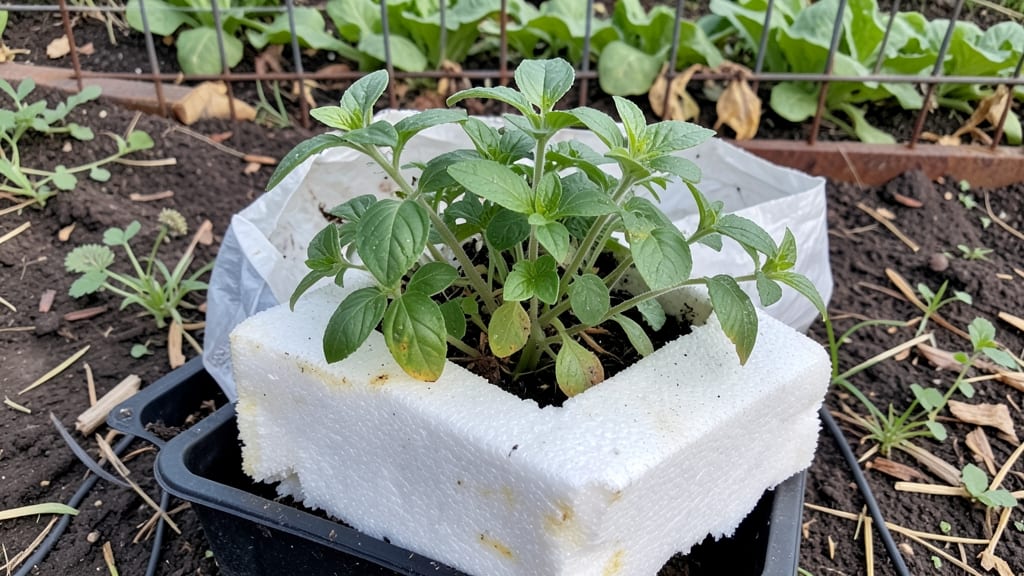
Using styrofoam for planting carries risks to soil health and root development because it breaks down slowly and may release harmful chemicals, though it works well for short-term seedling trays or lightweight garden containers.
Styrofoam's lightweight nature makes it tempting for gardeners, but its polystyrene composition can linger in soil for decades, disrupting microbial ecosystems. 🌱 The real concern is styrene leaching—this chemical has been linked to developmental issues in plants and may even seep into groundwater over time.
If you're using it temporarily, opt for small, shallow containers and transition seedlings to biodegradable pots within 4-6 weeks to minimize exposure.
For a safer approach, consider coconut coir pots or peat-based seed starters, which break down naturally when planted. These alternatives support healthier root systems while reducing landfill waste.
I’ve found that even newspaper pots (made from dampened sheets) work surprisingly well for herbs and small veggies—they dissolve entirely when transplanted!
💡 In This Article
- Chemical and Environmental Risks of Styrofoam in Planting
- Best Biodegradable Alternatives for Planting Containers
Chemical and environmental risks of styrofoam in planting
Styrofoam is made from polystyrene, a synthetic polymer that contains benzene rings in its molecular structure. This composition makes it highly resistant to natural breakdown—under optimal conditions, it can take 500 years or more to decompose.
The problem isn't just the physical presence of the material; it's what happens as it slowly breaks down into smaller particles. These microplastics can accumulate in soil, where they disrupt the natural structure and reduce water infiltration by up to 30% in affected areas.
The real danger lies in the chemical additives used to make styrofoam. During production, polystyrene is often infused with styrene, a known neurotoxin and potential carcinogen. Studies show that styrene can leach into soil at concentrations of 0.1-1.5 mg/kg over time, depending on soil pH and moisture levels.
This chemical interferes with plant root development by inhibiting cell division, leading to stunted growth or even death in sensitive species like tomatoes and peppers. The scent you might notice when handling new styrofoam? That's styrene—an industrial chemical that shouldn't be in your garden.
Here's what happens at the microbial level: soil bacteria and fungi, which are essential for nutrient cycling, struggle to break down polystyrene. One study found that 90% fewer beneficial microbes colonized soil amended with styrofoam compared to organic materials.
These microbes help convert organic matter into plant-available nutrients—without them, your soil becomes less fertile over time. The physical presence of styrofoam fragments also creates pockets where water pools, promoting anaerobic conditions that favor harmful bacteria over beneficial ones.
What most gardeners don't realize is how persistent these effects can be. Even after the visible styrofoam disappears, microscopic fragments remain. These particles can travel through soil via water runoff, potentially contaminating groundwater.
The Environmental Protection Agency (EPA) has classified polystyrene as a persistent organic pollutant due to its longevity and resistance to environmental degradation. For comparison, a paper coffee cup breaks down in 2-4 weeks, while styrofoam persists for centuries.
Consider this scenario: you plant seedlings in styrofoam trays for 6 weeks, then transplant them. While the trays might seem gone, research shows that 10-20% of the original material remains as microplastics in the soil.
These particles can be ingested by earthworms and other soil organisms, entering the food chain. The long-term impact? Reduced plant vigor, increased susceptibility to pests, and soil that requires more frequent amendments to maintain productivity.
There's one exception where styrofoam might seem acceptable: commercial nurseries that use it for short-term propagation. Even here, the industry is shifting toward biodegradable alternatives because the risks—especially in large-scale operations—are simply too high.
The key takeaway is that while styrofoam might seem convenient, its chemical footprint and environmental persistence make it a poor choice for anything beyond the most temporary gardening needs. 🌱