
Pests
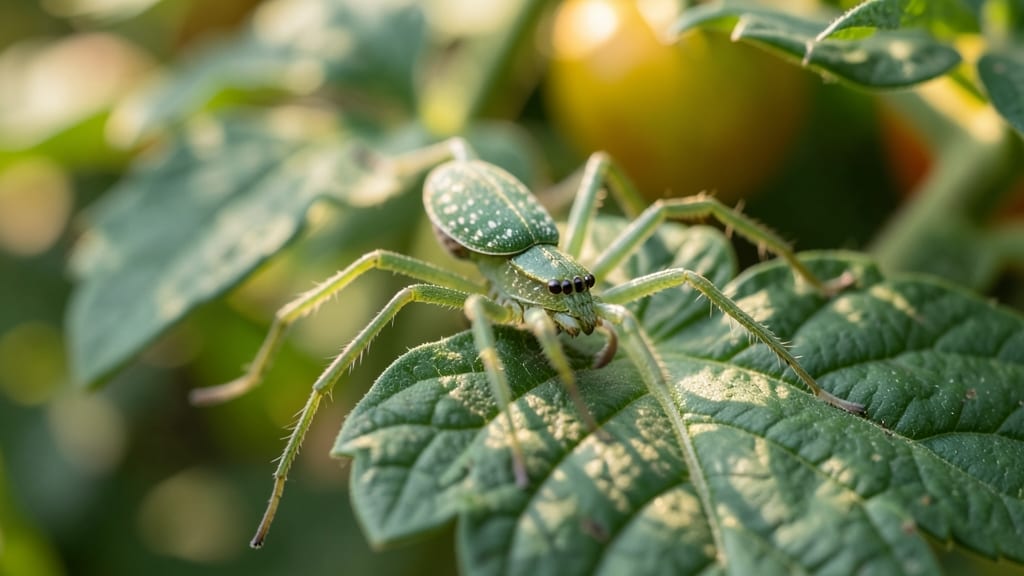
Spiders on tomato plants—specifically the tiny, web-spinning mites—can turn your lush vines into a skeleton of yellowed leaves if you don’t act fast. 🌱 I’ve seen healthy plants go from thriving to struggling in weeks when these pests take hold, but there’s a better way than reaching for harsh chemicals.
The secret lies in early detection and gentle, nature-backed solutions that protect your harvest.
Most gardeners mistake these spiders for harmless visitors, but their fine webbing and stippled leaves are your first warning signs. Here’s the good news: you don’t need fancy tools or toxic sprays. A strong spray of water, neem oil, or even introducing beneficial predators like ladybugs can turn the tide.
I’ve used these methods in my own garden—even after losing a batch of tomatoes to mites years ago—and now my plants bounce back in days.
What you’ll achieve is a tomato plant that stays healthy without sacrificing flavor or safety. The leaves will regain their deep green, the webs will disappear, and your harvest will keep coming strong.
Best of all, you’ll avoid the bitter taste and health risks that come with chemical treatments. Let’s get those plants back on track—naturally.
This approach works whether you’re growing in raised beds, containers, or the ground. The key is consistency: check your plants weekly, especially during hot, dry spells when mites thrive. With these steps, you’ll keep your tomatoes lush and your harvests abundant—no spider drama required.
Root Causes Of Webbed Invaders
Spiders on your tomato plants aren’t just a creepy surprise—they’re usually there for a reason. Understanding why they show up helps you address the problem at its source, not just swat them away. Below, we break down the most common triggers, complete with actionable science-backed insights.
Spiders thrive in dense, chaotic environments where prey (like aphids, mites, or other tiny pests) is plentiful. If your tomato plants are packed too closely together—or if neighboring plants are already hosting a buffet of insects—spiders will move in to set up shop.
- Why it happens: Aphids and spider mites (common tomato pests) excrete honeydew, a sugary substance that attracts ants—and ants, in turn, draw in spider predators like jumping spiders or orb-weavers. The more prey, the more spiders.
- Actionable fix:
- Space tomato plants 18–24 inches apart to improve airflow and reduce hiding spots for pests.
- Interplant with basil, marigolds, or nasturtiums—these repel aphids naturally.
- Prune lower leaves touching the soil to deter ground-dwelling pests that spiders feed on.
Spiders love damp, shady spots where they can hide and ambush prey. Tomato plants with heavy foliage, mulch piles, or poor drainage become prime real estate for web-spinning species like cellar spiders (daddy longlegs) or hobo spiders.
- Why it happens:
- Stagnant water or overwatering creates humid microclimates—ideal for spiders that need moisture to survive.
- Thick mulch or leaf litter provides protection from predators (like birds or lizards) and shelter from wind.
- Dense foliage traps debris and pests, giving spiders easy access to food.
- Actionable fix:
- Water at the base (not overhead) to reduce leaf dampness.
- Use light mulch (like straw) instead of thick layers of wood chips or leaves.
- Trim back overgrown vines to improve airflow and sunlight penetration.
Spiders are opportunistic predators—they’ll move into your garden when their usual food sources (like flies, beetles, or other spiders) are scarce. If your garden lacks biodiversity, spiders may become overpopulated because their competitors are missing.
- Why it happens:
- Monoculture gardens (e.g., only tomatoes) offer limited food variety for spiders’ natural predators (like ladybugs, lacewings, or birds).
- Pesticide use kills beneficial insects first, leaving spiders as the last “cleaners” of the ecosystem.
- Urban or suburban gardens often have fewer birds or bats to keep spider populations in check.
- Actionable fix:
- Introduce pollinator-friendly plants (e.g., dill, fennel, or alyssum) to attract beneficial insects.
- Avoid broad-spectrum pesticides—opt for neem oil or soapy water to target only pests.
- Install a birdhouse or bat box to encourage natural spider control.
Spiders are cold-blooded and become more active in warm, stable conditions. If your region experiences hot summers or mild winters, spider populations may surge year-round.
- Why it happens:
- Warm temperatures speed up metabolism, making spiders more aggressive in hunting.
- Drought-stressed plants emit stress signals (like volatile organic compounds) that attract spider predators.
- Migratory spiders (like wolf spiders) may hitch rides on wind or animals into your garden.
- Actionable fix:
- Use drip irrigation to keep soil moist without creating spider-friendly humidity.
- Apply reflective mulch (like aluminum foil) around plants to disrupt spider webs.
- Plant windbreaks (e.g., sunflowers) to reduce spider drift from neighboring areas.
Pro Tip: 💡 Most spiders in tomato plants are harmless and even helpful—they eat pests! Only intervene if webs are smothering plants or spiders are aggressively hunting your tomatoes. Learn how to coexist without chemicals.
Natural Ways to Remove Spiders from Plants
Spotting spiders on your tomato plants can be unsettling, but the good news is you can tackle the problem safely—without harming your harvest or the environment. Below, we’ve mapped out practical, chemical-free solutions tailored to the most common causes of spider infestations.
Follow these steps to reclaim your garden while keeping your tomatoes thriving!
If spiders are merely visiting (not nesting or hunting pests), they’re usually harmless. However, you may still want to discourage them for aesthetic or comfort reasons.
🧹 Physical Removal (Gentle & Effective)
- Handpick spiders during early morning or evening when they’re less active. Use a damp cloth or tweezers to avoid crushing them.
- Shake plants lightly over a bucket of soapy water if spiders are clustered.
The soap breaks their surface tension, ensuring they don’t escape. - Install barriers: Wrap the base of tomato plants with copper tape (spiders dislike the metal) or fine mesh to deter them from climbing up.
🌿 Prevention Tips
- Keep the garden tidy: Remove debris, fallen leaves, and weeds where spiders hide.
- Encourage natural predators: Ladybugs, lacewings, and birds feed on spiders. Plant dill, fennel, or marigolds to attract them.
- Use citrus or vinegar sprays: Spiders dislike strong scents.
Spray a diluted vinegar-water mix (1:1) or citrus peels around the plant base weekly.
If spiders are spinning webs or preying on beneficial insects (like bees or ladybugs), they could disrupt your tomato plant’s health. Here’s how to address it:
🌪️ Disrupt Their Habitat
- Prune affected foliage: Remove heavily webbed leaves and dispose of them in a sealed bag (not the compost).
- Blow webs away: Use a gentle stream of water from a hose to wash away silk strands.
Repeat every few days until webs disappear. - Introduce spider predators: Praying mantises, centipedes, or birds eat spiders. Place a bird feeder nearby or release beneficial insects from a garden center.
🔥 Natural Repellents
- Neem oil spray: Mix 1 tsp neem oil + 1 tsp mild soap + 1 quart water. Spray on leaves (avoid flowers to protect pollinators).
Reapply every 5–7 days. - Diatomaceous earth (DE): Sprinkle food-grade DE around the plant base and on soil. It dehydrates spiders but is harmless to plants once wet.
Reapply after rain. - Essential oil barrier: Combine peppermint, eucalyptus, or tea tree oil (10 drops per cup of water) in a spray bottle. Lightly mist the soil and lower leaves. ⚠️ Avoid spraying directly on flowers.
🌡️ Heat & Cold Tricks
- Freeze spider eggs: If you spot egg sacs (small white silk balls), freeze them overnight in a sealed bag.
- Hot water treatment: For stubborn webs, pour boiling water over affected areas (test on a small leaf first to avoid burning plants).
If spiders are thriving because of aphids, mites, or other pests, you’ll need a two-pronged approach: eliminate their food source and reduce their numbers.
🐞 Combat the Root Cause
- Blast pests off plants: Use a strong jet of water to knock off aphids, mites, or whiteflies—spiders’ favorite snacks.
- Introduce beneficial insects:
- Ladybugs (eat aphids)
- Lacewings (devour spider eggs)
- Parasitic wasps (target spider mites) Buy these from garden centers or attract them with flowering plants like alyssum or cosmos.
🌱 Strengthen Your Tomato Plants
- Fertilize properly: Over-fertilizing (especially with nitrogen) attracts pests.
Use a balanced organic fertilizer (5-5-5) and focus on potassium-rich compost to boost plant resilience. - Improve airflow: Spiders love humid, crowded conditions. Space plants 18–24 inches apart and prune for better ventilation. - Mulch with garlic or chili: Crush garlic cloves or chili peppers into the soil around plants.
The strong scent repels spiders and pests.
- Rotate crops: Avoid planting tomatoes in the same spot yearly to disrupt spider life cycles. - Plant spider-repelling herbs: Basil, mint, or lavender near tomato plants can deter spiders naturally. - Check for moisture: Spiders love damp areas.
Ensure pots have drainage holes and water plants at the base (not overhead). - Inspect at night: Use a flashlight after dark to spot spiders before they become a problem.
By addressing the root cause—whether it’s habitat, food sources, or sheer numbers—you can keep spiders in check without chemicals. Your tomato plants (and your peace of mind) will thank you! 🍅✨
Frequently asked questions
Are the spiders on my tomato plants harmful to my harvest?
Most spiders in tomato plants are harmless and may even help by eating pests like aphids. However, if they’re spinning thick webs or aggressively hunting beneficial insects (like bees), they can stress your plants. Focus on removing only the most disruptive ones while keeping the helpful predators.
Why do spiders appear suddenly in my tomato garden?
Spiders thrive when other pests (like aphids or mites) are present—they’re following their food source! Hot, dry weather also triggers spider activity. Check for webbing or tiny insects first, then address the root cause with neem oil or water blasts to disrupt their food chain.
Can I use vinegar or essential oils to repel spiders naturally?
Yes! Mix 1 part white vinegar with 1 part water and spray around (not on) leaves, or use peppermint or tea tree oil (10 drops per cup of water) as a barrier. Reapply every 3–5 days, especially after rain, to keep spiders away without harming your tomatoes.
What’s the fastest way to remove webs without chemicals?
Use a gentle hose stream to wash away webs, or wipe them with a damp cloth. For stubborn webs, sprinkle food-grade diatomaceous earth (DE) around the base—it dehydrates spiders naturally. Avoid touching webs with bare hands to prevent bites from defensive spiders.
Will spiders return after I’ve treated my tomato plants?
Possibly, but you can reduce recurrence by improving airflow (space plants 18–24 inches apart), removing debris, and attracting natural predators like ladybugs. Regular checks and preventive sprays (like neem oil) keep populations in check long-term.