
Planting
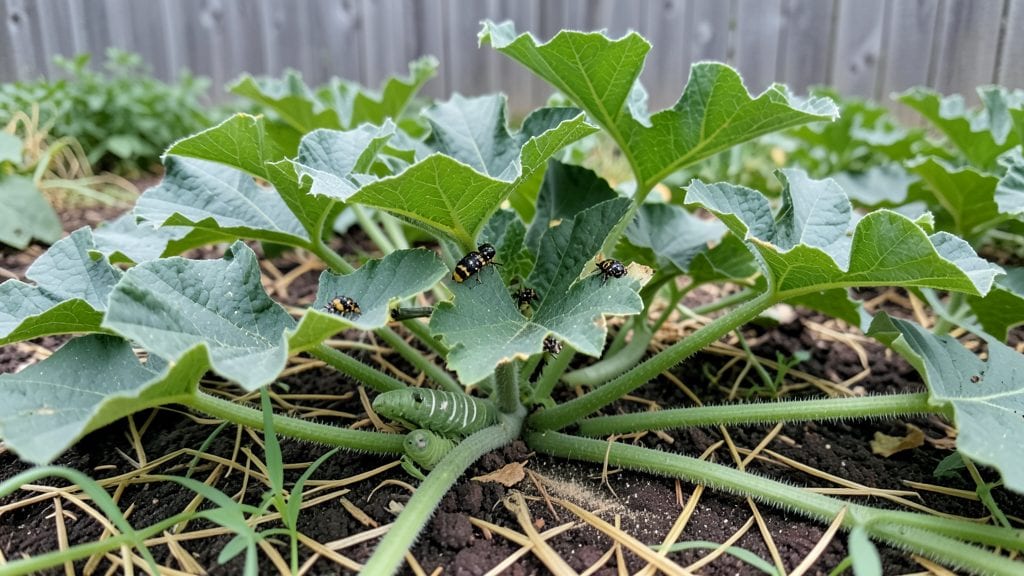
Watermelon plants face relentless tiny invaders that can turn your harvest into a sad, shriveled mess—like cucumber beetles and aphids. 🌱 I’ve battled these pests for years, and the key to saving your melons isn’t harsh chemicals but smart, natural strategies that work faster than you’d think.
The worst offenders—cucumber beetles, spider mites, and aphids—don’t just nibble leaves; they spread diseases and stunt growth. But here’s the good news: soapy water sprays, neem oil, and row covers can stop them dead in their tracks without harming your plants or the soil.
I’ve used these methods to protect hundreds of melons over the years.
You’ll learn to spot pests early (tiny yellow beetles? Webbing on leaves? That’s your warning), then use targeted treatments that actually work. By the time your vines are heavy with fruit, you’ll have a pest-free zone where melons ripen sweet and unscathed.
Works for backyard gardens, raised beds, and even container growing—no matter your setup, these tricks keep pests away while keeping your harvest safe. Let’s get those melons thriving!
Root Causes Of Pest Attacks
Watermelon plants may seem like a lush, pest-free paradise, but they’re actually a magnet for unwanted critters. Understanding why these pests show up is the first step to stopping them before they ruin your harvest. Below, we break down the science—and the sneaky reasons—behind common watermelon plant pest invasions.
When watermelon vines grow too close together—or when other plants are packed in like sardines—pests have a buffet and a hiding spot. Why does this happen?
- Reduced airflow creates damp, humid microclimates that love fungal pests like powdery mildew and downy mildew, which attract secondary insect pests (e.g., aphids, whiteflies).
- Shaded, moist soil becomes a breeding ground for cutworms and slugs, which thrive in dark, cool conditions.
- Weeds and debris provide shelter for stink bugs and squash bugs, making them harder to spot and eliminate.
Actionable fix: Space vines 4–6 feet apart and thin seedlings early to encourage airflow. Mulch with straw or grass clippings (but keep it away from the stem to prevent rot).
A watermelon plant that’s starving or overfed is like an open invitation for pests. Here’s the science:
- Nitrogen-heavy soil (too much fertilizer) leads to soft, tender leaves—a favorite snack for cucumber beetles and spider mites.
- Phosphorus or potassium deficiencies weaken the plant’s cuticle (its natural protective layer), making it easier for aphids and thrips to pierce and feed.
- Zinc or magnesium shortages cause interveinal chlorosis (yellowing between veins), signaling to pests that the plant is stressed and vulnerable.
Actionable fix:
- Test your soil (DIY kits work!) and amend with balanced fertilizer (e.g., 10-10-10).
- Side-dress with compost mid-season to boost natural defenses.
- Avoid overwatering—soggy roots attract root-knot nematodes and fungal pests.
If you’ve grown cucumbers, squash, or melons in the same spot year after year, pests have generational memory. Why?
- Root-knot nematodes and squash vine borers lay eggs in the soil that hatch for decades.
- Aphids and whiteflies overwinter on alternate host plants (like weeds or nearby crops) and migrate en masse when watermelons emerge.
- Stink bugs and hornworms are drawn to the same chemical signals (e.g., volatile organic compounds) that watermelons emit, especially in warm, dry conditions.
Actionable fix:
- Rotate crops every 2–3 years (avoid cucurbit family plants in the same bed).
- Plant pest-repelling companions like marigolds, nasturtiums, or basil to disrupt pest life cycles.
- Remove old vines and debris in fall to starve overwintering pests.
Pests don’t just randomly attack—they’re triggered by specific weather conditions. Here’s how climate plays a role:
| Pest | Triggering Weather | Why It Works for Them |
|---|---|---|
| Aphids | Warm (70–80°F) + dry spells | Slows natural predators (ladybugs) and dries soil, stressing plants. |
| Spider Mites | Hot (>90°F) + low humidity | Plants wilt, losing turgor pressure—easier for mites to feed. |
| Cucumber Beetles | Rain after drought | Beetles emerge en masse to lay eggs in moist soil. |
| Fungal Diseases (e.g., powdery mildew) | High humidity + temps 60–80°F | Spores spread via water droplets and thrive in still air. |
Actionable fix:
- Monitor forecasts and pre-treat with neem oil or kaolin clay before heatwaves.
- Use shade cloth in peak summer to reduce stress on plants.
- Water deeply in the morning to deter fungal spores from sticking to leaves.
In a healthy garden, predatory insects (like lacewings, parasitic wasps, and ground beetles) keep pests in check.
But if you’ve used broad-spectrum pesticides or disrupted the ecosystem, pests multiply unchecked. How? - Neonicotinoids (common in systemic pesticides) kill bees and beneficial insects faster than pests, creating a pest explosion. - Over-tilling destroys beneficial nematodes and microorganisms that suppress soil-borne pests. - Monoculture planting (only watermelons) removes diversity, which pests evolved to exploit.
Actionable fix:
- Skip chemical pesticides—opt for soapy water sprays or BT (Bacillus thuringiensis) for caterpillars.
- Plant a "predator garden" with dill, fennel, or yarrow to attract beneficial bugs.
- Leave some leaf litter in corners of the garden to shelter ground predators.
Quick Fixes for Common Crop Invaders
Watermelon plants are resilient, but pests can turn a thriving harvest into a battle zone. The good news? Most issues have simple, humane solutions that protect your plants and the critters causing the trouble.
Below, we’ve mapped out practical fixes for the most common watermelon plant pests—plus prevention tips to keep your garden pest-free long-term.
Fix: These green or black bugs cluster on new growth, leaving sticky residue (honeydew) that attracts mold. Blast them away without chemicals!
- 💦 Water Blast Method
- Fill a spray bottle with soapy water (1 tsp mild dish soap per quart of water).
- Spray directly on aphids in the early morning or evening (avoid hot sun to prevent plant stress).
- Repeat every 3–4 days until gone.
- 🌿 Ladybugs & Lacewings: Nature’s Cleanup Crew
- Release beneficial insects (available at garden centers) to feast on aphids.
- Plant marigolds or dill nearby—aphids hate their scent!
💡 Prevention Tip:
- Reflective mulch (aluminum foil or silver plastic) confuses aphids with its glare. Try it under young plants!
Fix: These yellow-and-black beetles chew leaves and spread disease. Trap them before they multiply!
- 🍯 Beer Trap (Yes, Really!)
- Bury a shallow container (like a yogurt cup) filled with beer at soil level.
- Beetles are drawn in and drown—no harm to your plants!
- 🛡️ Row Covers for Young Plants
- Use floating row covers (lightweight fabric) over seedlings to block beetles.
- Remove covers when flowers appear (beetles aren’t a threat to fruit).
💡 Prevention Tip:
- Interplant with radishes or nasturtiums—beetles prefer these over watermelon!
Fix: These tiny white bugs swarm leaves, weakening plants. Smother them without chemicals!
- 🕯️ Yellow Sticky Traps
- Hang yellow sticky cards near plants to catch adults.
- Check traps daily and replace when saturated.
- 🌬️ Fan Them Out
- Whiteflies hate airflow! Place a small fan on low near plants for 10–15 minutes/day to disrupt their flight.
💡 Prevention Tip:
- Neem oil spray (1 tsp per quart of water) deters whiteflies—reapply after rain!
Fix: These flat, brown bugs hide under leaves and suck plant juices. Crush them early!
- 🔪 Handpick & Drop in Soapy Water
- Wear gloves and squish eggs (tiny white dots on leaf undersides) with your fingers.
- Drop adults into a bucket of soapy water—they’ll dissolve instantly.
- 🌿 Diatomaceous Earth Barrier
- Sprinkle food-grade diatomaceous earth around the base of plants (reapply after rain).
- Avoid breathing it in—wear a mask when applying!
💡 Prevention Tip:
- Remove weeds near watermelon patches—squash bugs love them too!
Fix: These caterpillars sever stems at night. Stop them before they strike!
- 🥔 Collar Barrier Method
- Cut toilet paper rolls into 2-inch strips and wrap around stems 1 inch above soil.
- Secure with a rubber band—cutworms can’t crawl over it!
- 🌙 Flashlight Patrol
- Shine a light on plants at dusk—cutworms will uncurl and become easy to pick off.
💡 Prevention Tip:
- Plant basil nearby—its scent repels cutworms naturally!
Want to avoid pests entirely?
Follow these low-effort habits: ✅ Rotate crops—don’t plant watermelons in the same spot yearly. ✅ Keep garden tidy—remove debris where pests hide. ✅ Water at the base—wet leaves attract fungus gnats and aphids. ✅ Use mulch—straw or grass clippings suppress weeds (pest hotspots).
Final Thought: Most pests are easy to outsmart with a little patience and creativity. Try one method, monitor progress, and adjust as needed—your watermelons will thank you! 🍉✨
Frequently asked questions about watermelon plant pests
How do I tell if my watermelon leaves have spider mites?
Check the undersides of leaves for tiny yellow or red specks (the mites themselves) and fine webbing. Early signs include stippling (tiny white/yellow dots) on leaf surfaces. Use a magnifying glass if needed—mites are microscopic but their damage is visible.
Can I use neem oil on watermelon plants with fruit already forming?
Yes, but apply it early in the morning and avoid spraying directly on flowers or fruit to prevent residue. Neem oil works best as a preventive—reapply every 7-10 days or after rain. Always dilute it (1 tsp per quart of water) for safety.
What’s the fastest way to get rid of cucumber beetles?
Set up a beer trap (bury a shallow container filled with beer at soil level) and use row covers over young plants. For immediate removal, handpick beetles into soapy water—adults are large enough to spot easily on leaf edges.
Will companion planting actually repel pests from watermelons?
Plant marigolds (repel nematodes), nasturtiums (trap aphids), or basil (deters whiteflies) nearby. The key is diversity—pests struggle to find watermelons when surrounded by confusing scents and alternate hosts.
Can I save watermelon plants already heavily infested with pests?
It depends on the pest. For aphids or whiteflies, aggressive soapy water sprays can revive plants. But if cucumber beetles have caused wilting or squash vine borers have entered stems, removal may be the kindest option to protect future crops.