
Planting
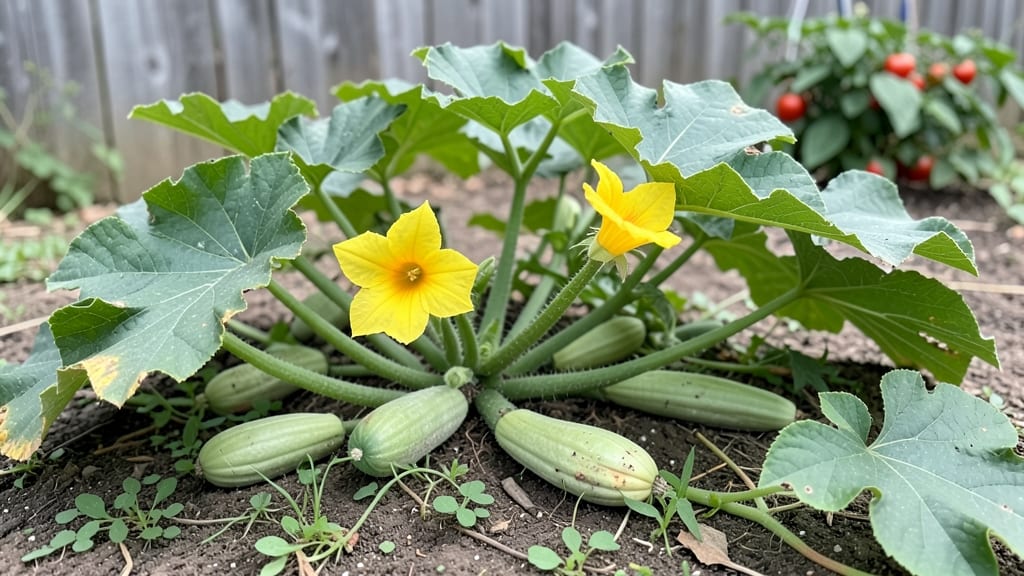
The speghetti squash plant thrives in your garden when you give it the perfect mix of heat, space, and patience—trust me, those store-bought squash can’t compare to your homegrown harvest. 🌱 patience to deliver those sweet, fibrous rewards.
The first year I grew it, my plants produced tiny, seedy squash because I didn't give them enough time to mature. Now I know the exact conditions that turn a struggling vine into a productive powerhouse.
You'll need a sunny spot with at least 6 hours of direct light daily, well-draining soil rich in compost, and plenty of space—these vines spread 8-10 feet if left unchecked.
Start seeds indoors 3-4 weeks before your last frost or transplant young plants after all danger of frost has passed. Water consistently, keeping the soil moist but not soggy, and watch for those first yellow blossoms—they're your sign that fruit is on the way.
The real magic happens when you master those 3 pruning secrets that keep plants healthy and productive all season.
By late summer, you'll be harvesting 3-5 pound squash with that signature pale yellow skin and sweet, fibrous interior. The flavor is milder than store-bought, with strands that separate perfectly for your favorite pasta dishes.
With proper care, one healthy plant can produce 6-10 squash, giving you more than enough for family meals and sharing with neighbors. The key is timing—harvest when the skin turns dull yellow and the stem easily snaps off, usually 85-100 days after transplanting.
This squash thrives in zones 3-11, making it adaptable to most climates, though cooler regions may need a longer growing season. Pair it with bush beans, corn, or radishes to improve growth and deter pests.
The real secret weapon? Those 3 pruning techniques that keep your plants focused on producing squash instead of wild vines. Ready to grow your own noodle-worthy harvest?
📚 In This Guide
- What you need
- Instructions
- Tips and common mistakes
- Wrapping up and next steps
What you need
- ● Speghetti squash seeds: 3–5 seeds per plant (or 1–2 starter plants if transplanting). Choose Cucurbita pepo varieties like 'Vegetable Spaghetti' or 'Golden Spaghetti'.
- ● Well-draining potting mix: 10–15 gallons per plant (or garden soil amended with compost if planting in-ground). Look for a mix with 50% organic matter.
- ● Containers or garden bed: Containers: 5-gallon pots or larger (minimum 12" diameter for 1 plant). Ensure pots have drainage holes.
- ● Garden bed: Full sun (6–8 hours/day) with loamy, fertile soil (pH 6.0–7.0). Space plants 3–4 feet apart.
- ● Fertilizer: Balanced organic fertilizer (e.g., 10-10-10) or compost tea at planting.
- ● Low-nitrogen fertilizer (e.g., 5-10-10) when vines start growing (1 tablespoon per foot of plant).
- ● Watering can or hose with a gentle spray nozzle (to avoid damaging leaves).
- ● Mulch: 2–3 inches of straw or shredded leaves to retain moisture and suppress weeds.
- ● Garden trowel or transplanting spade (for digging holes or repotting).
- ● Pruning shears (sharp, bypass-style for clean cuts).
- ○ Support system (optional but helpful): Trellis or tomato cages (to save space and improve air circulation).
- ● Stakes or bamboo poles (if growing in containers).
- ● pH test kit (to check soil acidity before planting).
- ● Row cover or shade cloth (30–50% shade) for young plants if in hot climates.
- ● Gloves (to protect hands from prickly vines).
- ● Harvest knife or pruners (for cutting squash from vines).
How to prune speghetti squash for maximum yield
Pruning isn't just about shaping this sprawling vine—it's how you unlock bigger fruit and longer harvests.
✂️ Step 1: Remove Suckers Early for Stronger Vines
Speghetti squash produces aggressive suckers—those small shoots sprouting from the main stem's leaf axils. These compete with your main fruit for nutrients. I snip them off cleanly with clean pruners within 2 weeks of planting, using a 45-degree angle just above the leaf node. This prevents disease entry and encourages energy toward the primary vines.
Here's the thing—don't wait until suckers grow taller than your hand. By then, they've already siphoned energy from your main plant. I check for new growth every 3-4 days during the first month. Watch for tiny shoots at the base of leaves—those are your targets. Remove them completely; never leave stubs, as they'll regrow.
🌿 Step 2: Prune Lower Leaves to Improve Airflow
Speghetti squash vines sprawl low to the ground, creating humid microclimates that invite powdery mildew. I systematically remove the lowest 6-8 inches of leaves every 2 weeks starting when vines reach 3 feet long. Use sharp pruners to cut cleanly at the stem junction, not just tear leaves off.
This isn't about defoliation—you're creating a chimney effect. Air circulates upward through the plant, drying foliage faster and reducing fungal pressure. You'll notice new growth at the nodes above your pruning line within 5-7 days. These leaves will be healthier and more resistant to disease. Never remove more than 20% of the plant's foliage at once, or you'll shock the vine.
⏰ Step 3: Trim Fruit-Laden Branches for Bigger Squash
The magic happens when you limit the number of fruit. Speghetti squash produces 2-3 fruit per vine when unchecked, but each one grows small and seedy. I prune all but 1-2 main fruit per vine when they reach golf-ball size—about 6-8 weeks after planting. Cut the extra fruit cleanly at the stem junction, leaving a ½-inch stub.
This redirection of energy produces squash that can reach 30+ pounds each. You'll see the remaining fruit swell dramatically within 10-14 days of pruning. The key is timing—wait too long, and the plant has already committed resources. Watch for fruit that's smooth and firm when pressed; these are ready for pruning. Soft or wrinkled fruit means you've waited too long.
💧 Step 4: Post-Pruning Care for Recovery
After heavy pruning, speghetti squash needs immediate recovery support. I water deeply within 24 hours to compensate for the plant's temporary stress. Use 1 gallon of water per plant, applied at the base—not overhead—to prevent fungal spores from landing on fresh cuts. Follow up with a balanced fertilizer (10-10-10) diluted to half-strength.
You'll notice new leaf growth at the vine tips within 5-7 days. This signals the plant is redirecting energy. Here's where it gets interesting: pruned vines often produce secondary fruit later in the season. I monitor for new flower clusters and thin them to maintain 1-2 fruit per vine again. The plant's maturity determines whether these late-season squash will reach full size, but they're perfect for smaller harvests.
Tips & tricks for pruning speghetti squash vines
Mastering these pruning techniques transforms your speghetti squash from modest harvests to monster-sized yields—here's how to avoid common mistakes and maximize every vine.
The Sucker Timing Secret: Those first 2 weeks after planting are critical for sucker removal. I've seen gardeners wait until suckers reach their hands, only to discover their main vines are already stunted from nutrient competition. Use a 45-degree angle cut just above the leaf node to prevent disease entry—this small detail makes all the difference in vine health. Pro tip: Keep a small spray bottle of diluted rubbing alcohol (1:1 with water) handy to disinfect your pruners between cuts.
Leaf Pruning Precision: When your vines hit 3 feet long, start removing the lowest 6-8 inches of leaves every 2 weeks. The goal is airflow, not defoliation—never remove more than 20% of foliage at once. I use a sharp bypass pruner to make clean cuts at the stem junction rather than tearing leaves, which creates jagged wounds that invite pests. Watch for new growth appearing 5-7 days later at the nodes above your pruning line—that's your confirmation the plant is redirecting energy upward.
Fruit Selection Strategy: The 6-8 week window for trimming fruit to 1-2 per vine is your golden opportunity. I look for squash that are golf-ball sized and smooth when pressed—these are ready for pruning. Soft or wrinkled fruit means you've missed the window. After pruning, you'll see dramatic swelling within 10-14 days as the plant redirects all its energy to the remaining fruit. This is when you'll get those 30+ pound monsters that make speghetti squash worth growing!
Post-Pruning Recovery: The 24-hour watering window after heavy pruning is non-negotiable. I use a 1-gallon watering can per plant, applied directly at the base to avoid wetting leaves and spreading fungal spores. Follow up with half-strength 10-10-10 fertilizer to give the plant the nutrients it needs to recover. You'll see new leaf growth at the vine tips within 5-7 days—this is your plant's way of saying "thank you" for the strategic pruning.
Pro Tips for Speghetti Squash Plant
- Mastering these pruning techniques transforms your speghetti squash from modest harvests to monster-sized yields—here's how to avoid common mistakes and maximize every vine.
- The Sucker Timing Secret: Those first 2 weeks after planting are critical for sucker removal.
- Leaf Pruning Precision: When your vines hit 3 feet long, start removing the lowest 6-8 inches of leaves every 2 weeks.
Frequently asked questions
Got questions about growing your own spaghetti squash plant? You’re not alone! Here are some of the most common queries—and their answers—to help you cultivate this unique, stringy-skinned squash like a pro.
How long does it take for a spaghetti squash plant to produce fruit?
A spaghetti squash plant typically takes 90–110 days from seed to harvest, depending on your climate and variety. Start seeds indoors 4–6 weeks before the last frost, then transplant seedlings outdoors after all danger of frost has passed. Patience pays off—these vines need time to mature before yielding those delicious, noodle-like strands!
Can I grow spaghetti squash in containers, or does it need a garden bed?
Yes! While spaghetti squash thrives in garden beds, it can also grow in large containers (at least 5 gallons) with proper drainage. Choose a variety like ‘Casaba’ or ‘Vegetable Spaghetti’ for smaller spaces. Just ensure the container gets full sun (6–8 hours/day) and support the heavy vines with trellises or cages.
What’s the best way to prune a spaghetti squash plant for bigger yields?
Pruning isn’t always necessary, but if you want healthier vines and more squash, focus on removing yellow or diseased leaves and suckers growing near the base. Leave the main vines intact—they’re where the magic happens! For extra productivity, trim side shoots to redirect energy to fruit development. Pro tip: Use clean, sharp pruners to avoid spreading disease.
Why are my spaghetti squash flowers falling off, and how can I fix it?
Flower drop is often caused by pollination issues (like lack of bees) or temperature extremes (below 55°F or above 90°F). Hand-pollinate by gently transferring pollen with a small brush, or plant bee-friendly flowers nearby. Ensure consistent watering and mulch to stabilize soil temps. If flowers persist but no squash forms, check for pests like squash vine borers—treat early with neem oil or row covers.
What can I plant after spaghetti squash to improve soil health?
Spaghetti squash is a heavy feeder, so follow it with nitrogen-fixing plants like beans, peas, or clover to replenish the soil. Other great successors include leafy greens (kale, spinach), garlic, or onions. Avoid planting more squash or cucurbits in the same spot next year to prevent disease buildup.
Wrapping up and next steps
Growing a speghetti squash plant isn’t just rewarding—it’s a game-changer for year-round harvests! With the right pruning secrets, you’ll enjoy tender, nutritious squash 🌱🍽️ while keeping your plant thriving. Whether you’re a seasoned gardener or just starting, these techniques make the process simple and fun.
Now that you’re armed with the 3 pruning secrets and all the tips to succeed, it’s time to roll up your sleeves! Start with one plant—experiment, observe, and refine your approach.
Before you know it, you’ll be sharing your homegrown speghetti squash with neighbors (or just enjoying extra-large portions for yourself!). Happy gardening! 🌿✨