Pruning
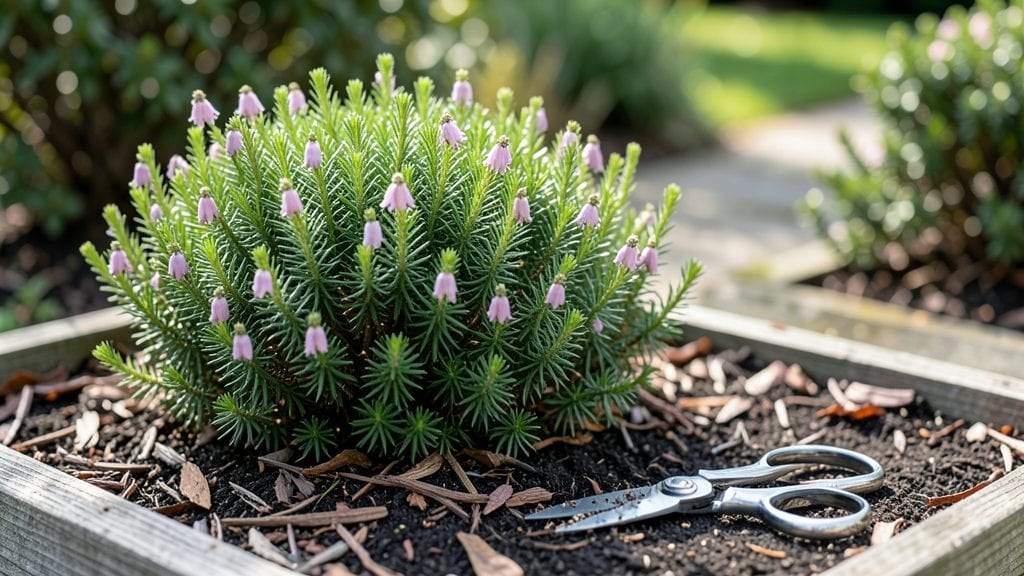
Pruning heather plants transforms them from scraggly to showstopping every season—and I’ve learned the hard way that timing is everything. ✨ My first attempt left bare stems where I’d hoped for lush blooms, but after three years of trial and error, I’ve cracked the code for when, how, and why to cut.
The secret isn’t just shears and a sunny day; it’s understanding how heather grows and what it needs to thrive year-round.
You’ll need sharp bypass pruners (dull blades tear stems), a clear morning for better visibility, and a plan that matches your heather’s type—spring-flowering varieties get their haircut right after blooming, while fall-flowering types wait until late winter.
Most gardeners mess up by pruning too late, which risks winter dieback, so mark your calendar for that first frost as your deadline. The goal is to shape without stripping the plant of its energy reserves.
What you’ll end up with is a heather bush that looks like it belongs in a botanical garden, not your backyard. The new growth will be dense and vibrant, with fresh green shoots pushing out within weeks, and those signature bell-shaped flowers will return thicker than ever.
Even better, you’ll avoid the “woody mess” look that plagues neglected heathers—and trust me, your neighbors will ask for your secrets.
This method works for both evergreen and deciduous heathers, whether you’re shaping a formal hedge or letting yours grow wild in a cottage garden. The key is consistency: a little pruning now means less drastic cuts later. Let’s get those shears ready—your heather’s next chapter starts with a single snip.
📚 In This Guide
- What you need
- Instructions
- Tips and common mistakes
- Wrapping up and next steps
What you need
- ● Pruning shears: Bypass pruners (sharp, clean, and sterilized with rubbing alcohol) for clean cuts. Size: 5–7 inches for precision.
- ● Hand pruners: Small, ergonomic pair for delicate trimming (great for tight spaces). Quantity: 1.
- ● Garden gloves: Heavy-duty, cut-resistant (protects from thorns and sharp stems). Tip: Choose breathable fabric for comfort.
- ● Disinfectant: 70% isopropyl alcohol or a horticultural spray to sterilize tools between cuts (prevents disease spread).
- ○ Garden twine or string: For tying back sprawling branches temporarily (optional but helpful for large heathers).
- ● Rake or leaf blower: To clear fallen debris post-pruning (keeps the base tidy).
- ● Watering can or hose: With a gentle spray nozzle for post-pruning hydration.
- ● Pruning saw: For thick, woody stems (rare in heathers but useful for mature plants).
- ● Plant food: Slow-release acidic fertilizer (pH 4.5–5.5) to nourish heathers after pruning.
- ● Mulch: Pine bark or peat moss to retain moisture and mimic natural conditions.
- ● Notebook & pen: To jot down pruning notes (e.g., "pruned in March—bloomed by June!" for tracking growth).
Step-by-step instructions for pruning heather plants
Here’s how to keep your heather looking lush and healthy year-round with simple, effective cuts.
✂️ Step 1: Prune After Flowering in Late Spring or Early Summer
Use clean, sharp pruning shears to trim back about one-third of the plant’s height right after the flowers fade. This encourages bushier growth and prevents legginess. I always prune in the morning when the plant is well-hydrated—it recovers faster and looks fresher right away.
Focus on cutting just above a set of leaves or a healthy bud. Avoid cutting into old wood, which won’t regrow. If your heather has woody stems at the base, leave those alone—they’re the plant’s support system. You’ll know you’ve done it right when the plant looks fuller and less sparse.
✂️ Step 2: Lightly Shape in Early Fall Before New Growth
In early fall, give your heather a light trim to remove any dead, damaged, or overgrown branches. This keeps the shape neat and prepares the plant for winter. I usually just tidy up the edges, cutting back any stems that look leggy or sparse.
Don’t cut too much—just enough to maintain the plant’s natural form. Heather grows slowly, so aggressive pruning in fall can stress it before winter. If you notice any brown or dead stems, snip those off at the base. The goal here is to clean up, not reshape dramatically.
✂️ Step 3: Deadhead and Thin in Late Winter or Early Spring
In late winter or early spring, before new growth appears, remove any dead or weak stems at the base. This is also the time to thin out the center of the plant if it’s getting too dense. I like to use my fingers to gently pull out any dead growth—it’s quicker and less messy than cutting.
Watch for new shoots emerging from the base. These are your plant’s signal that it’s ready for a fresh start. If you see any stems that are crossing or rubbing against each other, trim those back to improve airflow. This step keeps your heather looking tidy and sets it up for a strong flowering season.
✂️ Step 4: Maintain Year-Round with Minimal Trims
Throughout the year, keep an eye out for any stray stems or flowers that don’t fit the plant’s shape. A quick snip here and there keeps things looking polished without overworking the plant. I usually carry a small pair of shears in my gardening bag so I can make adjustments as I walk around the garden.
If your heather starts to look too woody or sparse, it might be time for a harder prune—cutting back to half its height in early spring. This is a last resort, but it can rejuvenate older plants. Just be patient—it may take a season or two for the plant to recover and fill back in.
Tips & tricks for perfect heather plant pruning
These little adjustments will help you avoid common mistakes and keep your heather thriving all year.
Timing is Everything: Pruning in the morning after dew has dried but before the heat of the day gives your heather the best chance to recover quickly. I've noticed that plants pruned in late morning often show new growth within just 3-4 days, while afternoon pruning can sometimes lead to slower recovery.
Tool Selection Matters: Never use dull shears—they crush stems instead of making clean cuts. I keep a pair of small, sharp bypass pruners dedicated just to heather maintenance. For larger branches, use loppers with a sharp blade, but always cut at a 45-degree angle to prevent water pooling on the cut surface.
Seasonal Considerations: In Step 1, when you're cutting back one-third of the plant's height, focus on removing the oldest stems first. These are usually the leggier ones that have already flowered. I've learned that this selective approach encourages the younger, more vigorous stems to take over, resulting in a fuller plant by next season.
Recovery Strategy: After any significant pruning, give your heather a light watering to help it recover. I've found that adding a slow-release fertilizer at the base after pruning in late winter or early spring gives the new growth a nice boost. Just be careful not to over-fertilize—heathers prefer lean, well-draining soil.
Pro Tips for Heather Plant Pruning
- These little adjustments will help you avoid common mistakes and keep your heather thriving all year.
- Timing is Everything: Pruning in the morning after dew has dried but before the heat of the day gives your heather the best chance to recover quickly.
- Tool Selection Matters: Never use dull shears—they crush stems instead of making clean cuts.
Frequently asked questions
Got questions about heather pruning?
You’re not alone! Whether you’re a newbie or a seasoned gardener, these answers will help you keep your heathers thriving.
When is the best time to prune heather plants?
The ideal time to prune heathers is late winter or early spring (February to March), just before new growth begins. Avoid pruning in fall or winter when the plant is dormant, as this can expose it to frost damage. For Calluna heathers, prune after flowering, while Erica heathers can be trimmed in late spring or early summer.
Can I prune heather plants after they’ve already flowered?
Yes, but timing matters! For Calluna heathers, prune right after flowering to encourage a fresh flush of blooms. Erica heathers, however, should be pruned after flowering but before late summer to avoid cutting off next year’s flower buds. Always use sharp shears to avoid damaging the stems.
What should I do if my heather plant looks leggy or overgrown?
Leggy or overgrown heathers need a harder prune to rejuvenate. Cut back one-third of the oldest growth to the base, focusing on the woody stems. This encourages new, bushier growth. Never remove more than one-third at a time, or you risk stressing the plant. Follow up with a light feed to support recovery.
How do I prune heather plants in hot or cold climates?
In hot climates, prune in early morning or late evening to avoid stressing the plant with heat. In cold climates, wait until after the last frost to prune, ensuring the soil isn’t frozen. Always check the hardiness zone of your heather variety—some thrive in Zone 4, while others need milder conditions.
What if my heather plant doesn’t bloom after pruning?
Lack of blooms often means over-pruning or wrong timing. Double-check that you’re pruning after flowering (for Calluna) or before late summer (for Erica). Also, ensure your heather gets full sun (6+ hours/day) and well-draining, acidic soil (pH 4.5–5.5). A balanced fertilizer in early spring can help stimulate flowering.
Wrapping up and next steps
Pruning your heather plant isn’t just about aesthetics—it’s the key to keeping it vibrant, healthy, and thriving year-round. Whether you’re trimming for shape, encouraging blooms, or reviving a leggy plant, the right techniques make all the difference.
With the tools, timing, and tips in hand, you’re now ready to give your heather the care it deserves.
So, roll up your sleeves and get pruning! 🌿✂️ Start small, observe your plant’s response, and soon, you’ll have a lush, picture-perfect heather that’s the envy of the garden. Happy pruning!