
Plants
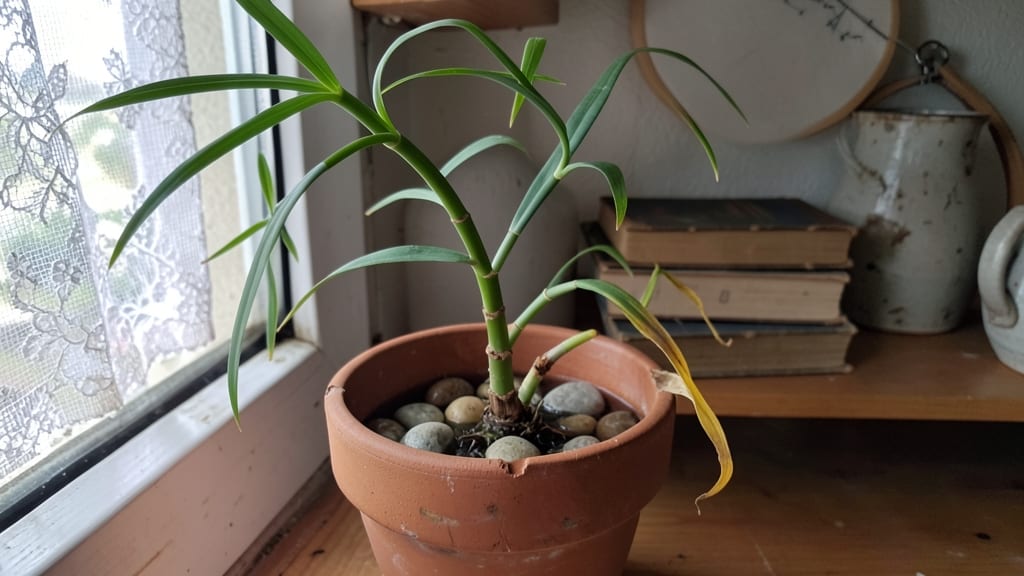
The smallest bamboo plants fit perfectly in pots, on patios, or tucked into tight garden corners without ever taking over.
I’ve grown ‘Tiny Fern’ bamboo for years—it stays under 3 feet tall and spreads just 2 feet wide, making it ideal for balconies or small yards where space is precious. The key is choosing the right variety and giving it exactly what it needs to thrive in miniature form.
These compact beauties love bright, indirect light but tolerate partial shade, which makes them versatile for different spots. Watering is simple: keep the soil consistently moist but never soggy, and you’ll see fresh, arching canes year-round.
A 5-gallon container is perfect for one plant, and adding a slow-release fertilizer in spring keeps growth lush without the mess.
What you’ll love most is how they add tropical vibes without the chaos. The feathery foliage of ‘Tiny Fern’ or the golden hues of ‘Golden Goddess’ create stunning focal points in small spaces.
Just be mindful of their roots—these are clumpers, not runners, so they won’t invade your yard like bamboo’s bad reputation suggests.
For best results, prune back leggy canes in early spring and divide crowded pots every 2-3 years to keep them healthy. Whether you’re decorating a tiny apartment or adding texture to a courtyard, these little giants deliver big personality. Let’s get yours growing!
📚 In This Guide
- What you need
- Instructions
- Tips and common mistakes
- Wrapping up and next steps
What you need
- ● Bamboo plant: Choose a clumping bamboo variety (e.g., Bambusa multiplex or Fargesia species) for compact growth. Look for a 1-2 gallon nursery pot with a well-developed root system.
- ● Container: A 5-10 gallon pot (12–16 inches in diameter) with drainage holes. Terracotta or fiberglass works best for airflow.
- ● Potting mix: A well-draining blend (60% peat moss, 30% perlite, 10% compost). Avoid heavy garden soil!
- ● Watering can: With a narrow spout for precise watering (1–2 gallons capacity).
- ● Fertilizer: A balanced liquid fertilizer (e.g., 10-10-10 NPK) or slow-release bamboo pellets.
- ● Pruning shears: Sharp, clean shears for trimming (sterilize with rubbing alcohol).
- ● Gloves: Garden gloves to protect hands from sharp bamboo edges.
- ○ Mulch (optional): Pine bark or shredded leaves to retain moisture and suppress weeds.
- ○ Sunlight meter (optional): To check light levels (ideal: partial shade, 4–6 hours of indirect light/day).
- ○ Root barrier (optional): If planting outdoors, use a plastic or metal barrier (1/4-inch thick) to prevent spreading.
How to grow the smallest bamboo plants in limited space
Here’s how to keep your bamboo compact without sacrificing health or beauty.
Choose the Right Bamboo Variety for Small Spaces
Not all bamboo is clumping—some varieties naturally stay small. Look for dwarf or running bamboo types like Bambusa multiplex or Fargesia murielae, which top out at 3-5 feet tall. Avoid giant species like Phyllostachys, which can spread aggressively. I always check the mature height and spread before buying, because even "small" bamboo can outgrow its welcome.
If you’re working with a larger variety, root pruning can help control spread. Dig a trench around the plant’s perimeter and sever the rhizomes at 12-18 inches deep—this forces energy into upward growth rather than outward. Just time it right: do this in early spring before new shoots emerge.
Plant in a Confined Container or Raised Bed
Bamboo thrives in containers because it restricts root spread naturally. Use a 15-20 gallon pot for each plant, with drainage holes to prevent waterlogging. Fill the bottom third with gravel or broken pottery to improve drainage—bamboo roots rot quickly in soggy soil. I like to add a layer of perlite or coarse sand mixed into the potting soil to keep it airy.
If planting in ground, choose a raised bed with underground barriers. Bury a hard plastic or metal barrier (like 24-inch deep root barrier fabric) at least 12 inches deep around the perimeter. This prevents rhizomes from escaping while still allowing roots to grow vertically. Mark the barrier’s location clearly—future digging could damage it.
Prune Regularly to Maintain Compact Growth
Pruning isn’t just about looks—it redirects energy to keep bamboo bushy and contained. In early spring, cut back one-third of the oldest canes at ground level. This encourages new, vigorous shoots to replace them. I also trim any canes that grow taller than 2 feet above the desired height—this prevents legginess and keeps the plant full.
Watch for suckers (new shoots) that pop up outside the container or bed. Remove them immediately with clean pruners or a sharp knife. If left unchecked, even dwarf bamboo can spread 3-5 feet per year. A quick check every 2-3 weeks keeps the plant tidy and prevents unwanted expansion.
Provide the Right Light and Water Balance
Bamboo needs bright, indirect light to stay compact—too much sun scorches leaves, while too little stretches canes. Place your plant near a south- or east-facing window or under a 40-watt grow light for 6-8 hours daily. If outdoors, choose a spot with morning sun and afternoon shade. You’ll know it’s happy when leaves stay deep green and new growth appears every 2-3 weeks.
Water deeply but infrequently—bamboo hates soggy roots. Let the top 2 inches of soil dry out between waterings. In containers, this usually means once a week in summer, less in winter. Overwatering causes yellowing leaves and root rot, while underwatering leads to brittle canes. Stick your finger in the soil: if it feels dry 1 inch down, it’s time to water.
Fertilize Lightly for Controlled Growth
Too much fertilizer = too much growth. Use a balanced, slow-release fertilizer (like 10-10-10) once in spring and once in summer. Mix 1 tablespoon per gallon of soil into the top layer. I avoid liquid fertilizers—they can burn roots and cause rapid, unchecked spread. If your bamboo looks lush but leggy, it’s getting too much food.
For organic options, top-dress with 1 inch of compost in spring. This feeds the soil gradually without shocking the plant. Avoid fresh manure—it can introduce pathogens. If you notice yellowing leaves with green veins, that’s a classic sign of over-fertilizing. Cut back on feedings and flush the soil with water to reset the balance.
Tips & tricks for perfect compact bamboo growth
These simple strategies will help you maintain your bamboo's small stature while keeping it thriving in limited spaces.
Variety Selection is Everything: When choosing between Bambusa multiplex or Fargesia murielae, pay special attention to the plant tags. Some nurseries mislabel plants—always verify the mature height listed. I've seen "dwarf" varieties advertised that actually reach 6 feet tall. For true compact growth, stick with varieties that naturally top out at 3-5 feet. If you're unsure, ask the nursery for the plant's scientific name and research its mature size online.
Container Size Matters: The 15-20 gallon pot recommendation isn't just about capacity—it's about creating root restriction. Smaller containers force the plant to grow upward rather than outward. If you're using a container, make sure it's at least 12 inches deep to accommodate the root system. I've found that wider but shallower pots actually encourage more horizontal growth, which defeats our compact goal. For maximum control, choose a pot that's taller than it is wide.
Pruning Precision: When cutting back one-third of the oldest canes in Step 3, aim for clean cuts just above a node (the bump where leaves emerge). This encourages new growth from that exact point. I like to prune on a dry day when the canes are firm—this makes cleaner cuts and reduces the risk of disease. For the 2-foot height guideline, measure from the soil line to where you want the new growth to stop. This visual reference helps maintain consistent height over time.
Light Balance is Critical: The 6-8 hours of bright, indirect light in Step 4 is a sweet spot for compact growth. Too little light stretches canes, while too much causes leaf scorch. If you notice leaves turning yellow between the veins, that's a sign of too much direct sun—move your plant slightly away from the window. Conversely, if new growth appears pale or leggy, it needs more light. A simple test: if you can read a book comfortably under the grow light, it's likely too bright for your bamboo.
Pro Tips for Smallest Bamboo Plant
- These simple strategies will help you maintain your bamboo's small stature while keeping it thriving in limited spaces.
- Variety Selection is Everything: When choosing between Bambusa multiplex or Fargesia murielae, pay special attention to the plant tags.
- Container Size Matters: The 15-20 gallon pot recommendation isn't just about capacity—it's about creating root restriction.
Frequently asked questions
Got questions about growing the smallest bamboo plants in tight spaces? You’re not alone! Here are answers to the most common queries—from care tips to space-saving tricks.
What’s the smallest type of bamboo I can grow?
The Bambusa multiplex "Golden Goddess" or Fargesia robusta are top picks for compact growth, staying under 6 feet tall. Clumping bamboos like Borinda species are also great for small pots—they won’t spread aggressively like running types.
How long does it take for tiny bamboo to mature?
Most dwarf bamboos reach their full height in 2–5 years, depending on species and care. Fargesia varieties grow slower (1–2 feet per year), while Borinda can add 3–4 feet annually. Patience pays off—slow growth means fewer pruning headaches!
Can I grow bamboo indoors in a small apartment?
Choose Fargesia murielae or Bambusa ventricosa (ventricosa) for indoor pots. Place near bright, indirect light (east/west windows) and use a well-draining mix with perlite. Just ensure your pot has drainage holes—no soggy roots!
What if my bamboo stops growing or turns yellow?
Yellowing leaves often signal overwatering or poor drainage. Let soil dry slightly between waterings, and repot if roots are circling. Stunted growth? Check sunlight—most dwarf bamboos need 4–6 hours of light daily. A balanced fertilizer (10-10-10) in spring can also help.
Are there non-bamboo alternatives for tiny spaces?
If bamboo feels too high-maintenance, try Dwarf Schefflera (3–4 feet), Lucky Bamboo (Dracaena sanderiana) (no soil needed!), or Miniature Ficus. For privacy, Boxwood or Dwarf Lilac shrubs work well in small yards.
Wrapping up and next steps
Growing the smallest bamboo plant is a rewarding way to bring nature into tight spaces—whether it’s a balcony, patio, or indoor corner! 🌱 With the right compact bamboo varieties, minimal materials, and a little patience, you can enjoy lush greenery without the space (or mess) of traditional bamboo.
Remember, the key is choosing dwarf or clumping types, controlling root spread, and providing consistent care.
Now that you’re armed with tips and answers, why not start your tiny bamboo garden today? Pick a pot, select your favorite variety, and let your green thumb shine! For extra inspiration, explore bamboo care guides or join plant-loving communities to share your progress. Happy growing! ✨