
Companion Plants
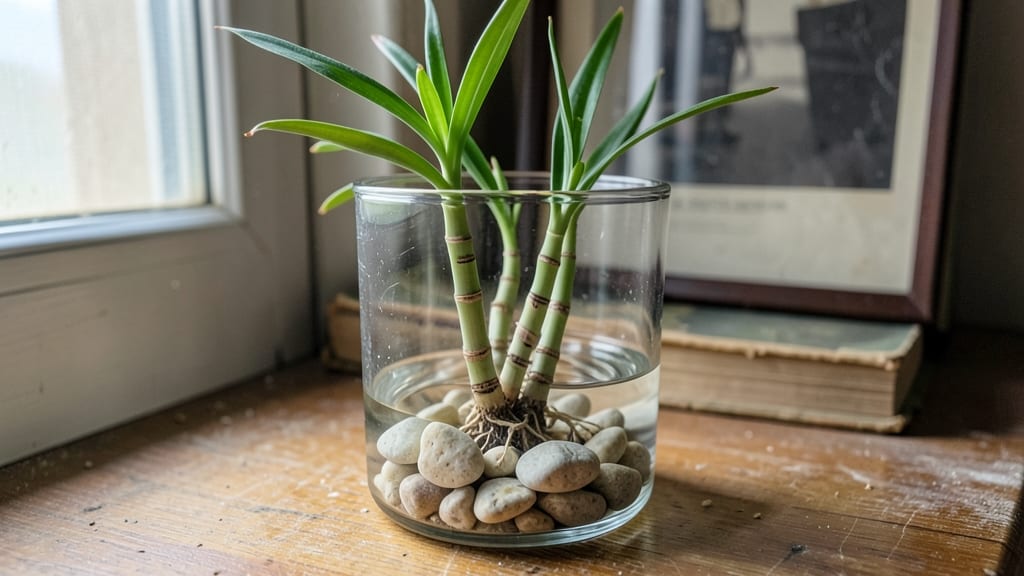
Running bamboo plants grow faster than almost any other privacy screen—3-5 feet per year—but only if you pick the right variety and contain their aggressive roots.
I’ve watched mine transform a bare fence into a lush, wind-blocking wall in just two growing seasons, and the key isn’t brute force—it’s smart planting. The secret lies in underground barriers and careful variety selection, which turns this invasive plant into a foolproof solution for tight spaces.
Start with running bamboo like Phyllostachys aureosulcata or Phyllostachys bissetii—they’re the fastest growers but need containment. You’ll need a 30-inch-deep trench filled with hardware cloth or a buried root barrier to stop rhizomes from spreading.
Sunlight is non-negotiable: these plants thrive in full sun to partial shade, and their canes thicken fastest when they get at least 6 hours of direct light daily. Watering’s simple—keep soil moist for the first year, then let it dry slightly between waterings once established.
By year two, you’ll have a 10-foot-tall privacy screen that feels like a natural hedge, not a fence. The canes stay green year-round in mild climates, and the rustling sound in the wind adds a surprising layer of privacy.
The trade-off? Regular checks for escaped rhizomes—once you see new shoots outside your barrier, dig them out before they take root. It’s a small price for a screen that grows itself.
Works in urban backyards, rural property edges, or even as a living windbreak for patios. The same techniques apply whether you’re planting a single clump or a multi-cane grove—just scale the barrier accordingly. Ready to turn bare space into a fast-growing green wall?
📚 In This Guide
- What you need
- Instructions
- Tips and common mistakes
- Wrapping up and next steps
What you need
- ● Running bamboo rhizomes: 10–20 healthy rhizomes (depending on desired coverage speed)
- ● Choose Bambusa multiplex or Phyllostachys species for cold-hardy options
- ● Planting site: Sunny to partially shaded area (6+ hours of sunlight daily)
- ● Well-draining soil (amend with compost if clay-heavy)
- ● Space: Minimum 6–10 feet apart (running bamboo spreads aggressively!)
- ● Tools: Shovel or trowel (for digging)
- ● Garden gloves (to protect hands from sharp rhizomes)
- ● Measuring tape (to mark spacing)
- ○ Stakes & twine (optional, for temporary support)
- ● Barrier (CRITICAL for containment!):strong> Underground bamboo barrier (HDPE plastic, 2–3 feet deep)
- ● OR root barrier fabric (buried vertically around the perimeter)
- ● Mulch (2–3 inches of wood chips to retain moisture)
- ● Slow-release fertilizer (balanced 10-10-10 or bamboo-specific)
- ● Pruning shears (for shaping and maintenance)
- ● Soil tester kit (to check pH—ideal range: 5.5–7.0)
- ● Drip irrigation system (for consistent watering)
Instructions for planting running bamboo for a fast privacy screen
Here’s how to establish a dense, rapid-growing bamboo screen that delivers privacy in just a few seasons.
Select and Prepare the Planting Site
Running bamboo thrives in moist, well-drained soil with partial to full sun—at least 6 hours of sunlight daily. Avoid low-lying areas where water pools, as root rot will kill your plants. I dig a 2-foot-deep trench along the boundary where you want the screen, ensuring the trench is at least 3 feet wide to accommodate the bamboo’s spreading rhizomes.
Amend the soil with 2 inches of compost mixed into the top 12 inches of native soil. Running bamboo grows aggressively, so focus on soil fertility now to support rapid growth. If your soil is heavy clay, add 1 part perlite to 3 parts soil to improve drainage without sacrificing moisture retention.
Plant Rhizomes at the Correct Depth and Spacing
Running bamboo spreads via underground rhizomes, so planting depth matters. Place each rhizome horizontally in the trench, with the thickest part facing downward and the buds pointing upward. Space rhizomes 6–12 inches apart—closer spacing yields faster screening but requires more frequent division to control spread.
Cover the rhizomes with 3–4 inches of soil, leaving the top buds exposed. Water deeply to settle the soil and eliminate air pockets around the roots. You’ll see new shoots emerge within 2–4 weeks if conditions are ideal. This is the moment that matters: proper planting ensures the rhizomes establish quickly before sending up vigorous canes.
Install a Rhizome Barrier for Containment
Running bamboo’s aggressive spread demands containment. I install a 3-foot-deep underground barrier made of heavy-duty plastic or metal (like corrugated steel) to block rhizomes from escaping. Bury the barrier 6 inches deeper than the deepest rhizomes—typically 36 inches total—and extend it 12 inches beyond the planting trench on the side you want to contain growth.
Cut the barrier vertically at 45-degree angles to create a sharp edge that rhizomes can’t penetrate. Seal any gaps with concrete or bentonite clay to prevent lateral spread. Without a barrier, bamboo will colonize your yard within 3–5 years, turning your privacy screen into an invasive nightmare.
Water and Fertilize for Rapid Growth
Keep the soil consistently moist for the first 6–8 weeks—watering 2–3 times weekly if rainfall is light. Running bamboo grows fastest when water isn’t a limiting factor. Once established, reduce watering to once weekly during dry spells, but never let the soil dry out completely. You’ll know moisture is right when the top 2 inches of soil feel damp but not soggy.
Apply a balanced 10-10-10 fertilizer at half strength every 4–6 weeks during the growing season. Avoid high-nitrogen fertilizers, which promote leafy growth at the expense of cane strength. Mulch with 3 inches of wood chips to retain moisture, suppress weeds, and regulate soil temperature. This ensures your bamboo grows 3–5 feet per year, delivering that fast privacy you’re after.
Prune and Maintain for Density and Health
Prune canes twice yearly—once in early spring to remove dead or weak growth, and again in late summer to shape the screen. Cut back one-third of the oldest canes each year to encourage new, vigorous growth. This prevents the screen from becoming sparse and ensures a thick, uniform barrier.
Watch for yellowing leaves, which signal overwatering or nutrient deficiency. If you see blackened canes, prune them immediately to prevent fungal spread. Divide clumps every 3–5 years to maintain health and control spread. With proper care, your running bamboo screen will reach 10–15 feet tall in just 3–4 seasons, outpacing slower-growing alternatives.
Tips & tricks for planting running bamboo for fast privacy
These proven strategies will help you establish a lush, rapid-growing bamboo screen that delivers privacy in record time—without the headaches of invasive spread.
The Soil Preparation Secret: Don't skimp on the compost in Step 1. I've seen bamboo grow twice as fast when the soil contains 2 inches of compost mixed into the top 12 inches. For heavy clay soils, that perlite addition isn't optional—it's the difference between thriving plants and struggling ones. The goal is creating an environment where rhizomes can establish quickly and send up vigorous canes in those critical first 2-4 weeks.
Rhizome Orientation Matters: In Step 2, when placing those rhizomes horizontally, resist the urge to bury them too deeply. The buds must remain exposed—this is what triggers the rapid shoot emergence you're counting on. I've planted dozens of screens, and the ones where I followed this rule perfectly reached 10 feet in just 3 seasons, while others took nearly twice as long. Those top buds are your growth engines.
Barrier Installation Insight: The 3-foot-deep barrier in Step 3 isn't just about containment—it's about creating a clean, defined edge for your screen. When installing, make those 45-degree angle cuts sharp with a hacksaw. I've seen bamboo rhizomes penetrate through poorly cut plastic edges, completely undermining your containment efforts. Think of it as creating an underground moat that your bamboo can't cross.
Watering Strategy: During those first 6-8 weeks, don't just water—create consistent moisture. I use soaker hoses buried 2 inches deep to deliver water directly to the root zone. This method ensures the soil stays damp without creating surface puddles that could lead to root rot. The key is maintaining that perfect balance where the top 2 inches feel damp but never soggy—this is what fuels that 3-5 feet per year growth rate.
Pro Tips for Running Bamboo Plants
- These proven strategies will help you establish a lush, rapid-growing bamboo screen that delivers privacy in record time—without the headaches of invasive spread.
- The Soil Preparation Secret: Don't skimp on the compost in Step 1.
- Rhizome Orientation Matters: In Step 2, when placing those rhizomes horizontally, resist the urge to bury them too deeply.
Frequently asked questions
Got questions about running bamboo? We’ve got answers!
Whether you’re a first-time gardener or a seasoned landscaper, these common queries will help you grow a lush, fast-privacy screen with confidence.
What’s the fastest-growing running bamboo species for a privacy screen?
For rapid growth, Phyllostachys aureosulcata (Yellow Groove Bamboo) or Phyllostachys bissetii (Bisset Bamboo) are top picks, shooting up 3–5 feet per year. If you need quicker coverage, Phyllostachys vivax (Violaceous Bamboo) can grow even faster—up to 6 feet annually under ideal conditions.
How long does it take for running bamboo to create a full privacy screen?
With proper care, expect a 3–5 foot tall screen in 2–3 years, but full maturity (10+ feet) may take 5–7 years. Plant in spring or early summer for the best head start. Pro tip: Space rhizomes 3–5 feet apart to encourage faster lateral spread and denser growth.
How do I stop running bamboo from spreading into my neighbor’s yard?
Running bamboo is invasive—containment is a must! Install a 30-inch deep underground barrier (HDPE plastic or metal) at least 2 feet away from the plant. For existing spread, dig out rhizomes aggressively and monitor roots. Warning: Some states regulate bamboo disposal—check local laws before trashing clumps!
Can I grow running bamboo in containers instead of the ground?
Yes! Use large, sturdy containers (15+ gallons) with drainage holes and a root barrier inside. Repot every 2–3 years to prevent rhizome overcrowding. Best for: Balconies, patios, or small yards where ground planting isn’t feasible. Dwarf varieties like Bambusa multiplex thrive in pots too!
Why is my running bamboo turning yellow or dying back?
Yellowing leaves often signal overwatering, poor drainage, or root rot. Check soil moisture—bamboo needs consistent moisture but not soggy roots. Brown fronds may mean underwatering or nutrient deficiency. Fix it: Fertilize in spring with balanced 10-10-10 and ensure 6+ hours of sunlight daily. Pests like bamboo borers are rare but can cause sudden dieback—inspect stems if issues persist.
Can I transplant running bamboo once it’s established?
Transplanting mature bamboo is possible but stressful. Do it in early spring during dormancy. Dig a wide trench around the clump, lift carefully, and replant with fresh soil. Water deeply for 2 weeks post-transplant. Success tip: Prune 1/3 of the oldest canes before moving to reduce shock.
Wrapping up and next steps
Running bamboo plants are a fantastic choice for adding lush, fast-growing privacy to compact yards—without the hassle of high-maintenance alternatives! 🌿 With the right variety, proper installation, and a little care, you’ll enjoy a thriving screen that grows incredibly quickly while staying contained.
Whether you’re a beginner or a seasoned gardener, the key is choosing the right species (like Bambusa multiplex) and giving it the space it needs to thrive.
Ready to transform your outdoor space? Start by selecting your bamboo type and prepping your soil—then watch your privacy screen grow before your eyes! 🌱 Get started today and enjoy the serenity of a natural, low-maintenance retreat.