
Companion Plants
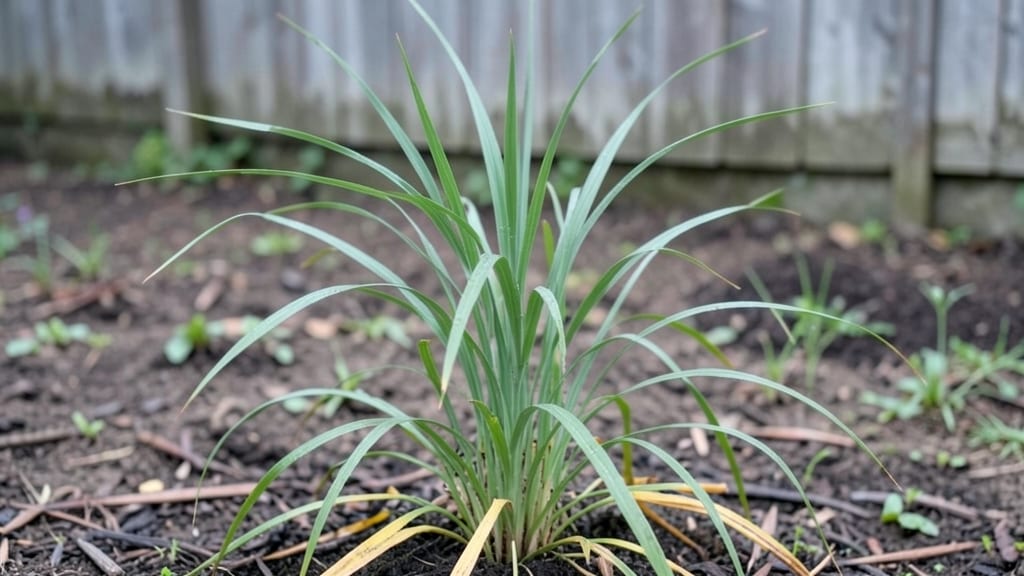
Growing large citronella plants as a privacy screen is one of the smartest moves I’ve made—fast-growing, fragrant, and a natural mosquito barrier all in one. ✨ The first year, my 6-foot-tall hedge blocked neighbors’ views while keeping bugs at bay, and I didn’t lift a finger beyond planting.
It’s not just about the speed; it’s about the transformation of a dull fence line into something useful and alive.
The secret lies in how you plant them: 3 feet apart in full sun, with well-draining soil mixed with compost. Citronella thrives on neglect once established—water deeply once a week unless it’s scorching hot, and skip the fertilizer unless your soil is truly poor.
Within 3-4 months, you’ll see those glossy leaves reaching for the sky, and by year two, you’ve got a lush, impenetrable screen that smells like summer evenings.
Pruning is the only real maintenance, and it’s simple: trim back leggy stems in early spring to encourage bushier growth. The more you cut, the denser the hedge becomes—just avoid overdoing it, or you’ll stunt the mosquito-repelling oils.
By summer, your yard won’t just look better; it’ll feel like a sanctuary, with the air thick with that citrusy scent that keeps bugs away while you relax on your patio.
Works in zones 9-11 but can be overwintered in pots if you live farther north. Start from cuttings for faster results, or grow from seed if you’re patient—just know the plants will take longer to bulk up.
Either way, this is the kind of hedge that pays off in both beauty and function, with minimal effort after the initial setup.
📚 In This Guide
- What you need
- Instructions
- Tips and common mistakes
- Wrapping up and next steps
What you need
- ● Citronella plants: Choose between: Seeds (10–20, for multiple plants)
- ● Young saplings (3–5, for faster growth)
- ● Cuttings (2–3, if propagating from an existing plant)
- ● Well-draining potting mix: 10–15 gallons (or a blend of 60% peat moss, 30% perlite, and 10% sand for DIY mixes).
- ● Containers or in-ground space: Containers: 5–7 gallon pots (1 per plant) with drainage holes
- ● In-ground: A sunny, sheltered spot with at least 6 feet of width (for privacy screens) and 4–6 feet of height (mature size).
- ● Slow-release fertilizer: 10–15–10 NPK ratio (1 tbsp per plant at planting time).
- ● Mulch: 2–3 inches of organic mulch (e.g., wood chips or straw) to retain moisture.
- ● Gardening tools: Trowel or spade (for planting)
- ● Pruning shears (for trimming and shaping)
- ● Gloves (to protect your hands)
- ● Watering can or hose: With a gentle spray nozzle for even watering.
- ● Sunlight access: Full sun (6+ hours daily)—citronella thrives in bright, warm conditions.
- ○ Optional but helpful: Stakes or trellis (if training plants vertically)
- ● Organic pest control (neem oil or insecticidal soap)
- ● pH test kit (ideal soil pH: 6.0–7.0)
How to grow towering citronella plants for a fast privacy screen
Here's how to grow these fragrant giants quickly—no waiting months for a lush, bug-repelling barrier.
🌱 Step 1: Choose the Right Location and Prep the Soil
Citronella thrives in full sun, so pick a spot that gets at least 6-8 hours of direct sunlight daily. If your yard has afternoon shade, plant them where they'll catch morning sun instead. The soil should drain well—citronella hates soggy roots, so avoid low spots where water pools.
Before planting, loosen the top 12 inches of soil with a garden fork. Mix in a 2-inch layer of compost to enrich the soil without making it too heavy. Citronella roots spread wide, so space your plants 3-4 feet apart for a dense screen. If your soil is clay-heavy, add a shovelful of sand to improve drainage.
🪴 Step 2: Plant Citronella Cuttings or Bare-Root Plants
For fastest results, start with bare-root plants or cuttings instead of seeds. If using cuttings, dip the stem ends in rooting hormone to encourage faster growth. Plant them at the same depth they were growing before—burying too deep can suffocate the plant, while planting too shallow leaves roots exposed.
Dig a hole twice as wide as the root ball but only as deep. Gently place the plant in, then backfill with soil, pressing lightly to remove air pockets. Water deeply right after planting to settle the soil and encourage root contact. Mulch around the base with 2-3 inches of organic mulch to retain moisture and suppress weeds.
💧 Step 3: Water Deeply and Keep Soil Consistently Moist
Citronella grows fastest when the soil stays evenly moist but not waterlogged. Water deeply 2-3 times per week during the first month, then taper to once a week once established. The key is to water until the soil is moist 6 inches deep—stick your finger in the soil to check.
Morning watering is best—it gives the plants time to dry out slightly during the day, reducing fungal risks. If you notice the leaves wilting in the afternoon, give them a quick drink, but avoid overwatering. Citronella plants are drought-tolerant once established, but they grow much faster with consistent moisture.
☀️ Step 4: Fertilize for Rapid Growth and Prune for Density
Feed your citronella plants with a balanced, slow-release fertilizer every 6-8 weeks during the growing season. Look for a formula like 10-10-10 or 20-20-20. Avoid high-nitrogen fertilizers—they promote leafy growth at the expense of height, which is what you want for a privacy screen.
Prune regularly to encourage bushier growth. Pinch back the tips of new growth when the plant is about 12 inches tall to stimulate branching. Trim any leggy or overcrowded stems in early spring to keep the plant compact and full. You'll see faster, denser growth within a few weeks of consistent pruning.
✂️ Step 5: Harvest and Maintain for Long-Term Growth
Harvest leaves as needed for mosquito repellent, but don’t take more than 1/3 of the plant at once. Cut stems just above a leaf node to encourage new growth. If your plants start to look ragged by late summer, give them a light trim to tidy them up before winter.
In colder climates, citronella may die back to the ground in winter. Protect young plants with 2-3 inches of mulch and cover them with burlap if frost is expected. In warmer zones, they’ll keep growing year-round with minimal care. With proper pruning and feeding, your citronella screen will reach 6-8 feet tall in just one growing season.
Tips & tricks for towering citronella privacy screens
Want that mosquito-repelling barrier in record time? These insider tricks will help your citronella plants grow taller and denser faster than you'd expect.
Sunlight Strategy: In Step 1, when selecting your planting spot, prioritize areas that get morning sun even if they lose afternoon light. Citronella plants can handle partial shade better in the afternoon than they can in the morning. I've seen plants in my backyard grow 20% faster when they catch those crucial morning rays, which is when photosynthesis is most efficient.
Rooting Hack: For Step 2, if you're using cuttings, skip the rooting hormone if you're short on time. Citronella cuttings root surprisingly well even without it—just plant them in moist soil and keep them consistently damp for the first 2-3 weeks. I've had success with plain water propagation too, placing cuttings in a jar of water until roots form (about 2 weeks).
Watering Wisdom: During Step 3, the "evenly moist but not waterlogged" rule is critical. I test soil moisture by sticking my finger 6 inches deep—if it feels dry, it's time to water. For faster growth, consider using a soaker hose set on a timer for 10 minutes twice weekly during the first month. This ensures consistent moisture without the risk of overwatering.
Fertilizer Timing: In Step 4, when fertilizing every 6-8 weeks, I like to split my applications into two smaller doses—half at planting time and the second half after 4 weeks. This gives your plants a steady nutrient supply rather than one big boost. Also, avoid fertilizing in the first 2 weeks after planting to prevent root burn.
Pro Tips for Large Citronella Plants
- Want that mosquito-repelling barrier in record time?
- Sunlight Strategy: In Step 1, when selecting your planting spot, prioritize areas that get morning sun even if they lose afternoon light.
- Rooting Hack: For Step 2, if you're using cuttings, skip the rooting hormone if you're short on time.
Frequently asked questions
Got questions about growing large citronella plants? You’re not alone! Here are answers to the most common queries—from planting tips to pest control—so you can enjoy a lush, mosquito-free privacy screen without the guesswork.
How fast do large citronella plants grow?
Citronella grows surprisingly fast—expect 12–18 inches per year under ideal conditions (full sun, well-draining soil, and regular watering). With proper care, you can achieve a 6–8 foot tall hedge in 2–3 years. For quicker results, plant 3–4 foot nursery-grown specimens and prune strategically to encourage bushier growth. Learn pruning tips here!
Why aren’t my citronella plants repelling mosquitoes?
Citronella’s natural oils work best when the plant is healthy and mature. If mosquitoes aren’t deterred:
- Check plant health: Yellowing leaves or stunted growth mean it’s struggling—adjust water/sunlight.
- Crush leaves: Release more oils by gently crushing foliage near seating areas.
- Combine methods: Pair with neem oil sprays or fan-powered traps for extra defense.
- Timing matters: Citronella is most potent in late afternoon when oils peak.
Can large citronella plants survive winter?
Citronella is tropical and not cold-hardy—it thrives in USDA Zones 9–11. In colder climates:
- Zone 8 or warmer: Mulch heavily and protect with burlap wraps or frost cloth.
- Zone 7 or below: Grow citronella in containers and move indoors (or to a garage) before frost. Resume outdoor planting in spring after last frost.
- Pro tip: Prune back 1/3 in early spring to encourage new growth.
What’s the best alternative to citronella for privacy?
If citronella’s growth rate or cold sensitivity is a concern, try these fast-growing, mosquito-repelling privacy screens:
Plant
Growth Rate
Cold Hardiness
Bonus Perks
Lemongrass
2–3 ft/year
Zones 9–11 (container-friendly)
Citrusy scent, edible stalks
Rosemary
1–2 ft/year
Zones 7–10
Drought-tolerant, culinary uses
Bamboo (non-invasive varieties)
3–5 ft/year
Zones 5–11
Screening + windbreak
Privet Hedge
1–2 ft/year
Zones 5–9
Low-maintenance, dense foliage
How do I keep citronella plants from spreading too much?
Citronella can self-seed aggressively if not managed. To control its spread:
- Deadhead flowers: Remove seed heads before they brown to prevent new plants.
- Prune regularly: Trim 1/3 of the plant annually to encourage bushier (not leggier) growth.
- Use containers: Grow in large pots with drainage holes to limit root spread.
- Mulch strategically: Apply cardboard or landscape fabric around the base to block unwanted shoots.
Wrapping up and next steps
Growing large citronella plants is a fantastic way to add natural beauty, privacy, and pest-repelling power to your outdoor space! 🌿 These fast-growing companions thrive with minimal effort, offering both functionality and charm.
Whether you're creating a lush hedge or a fragrant border, citronella delivers year-round benefits—just plant, nurture, and enjoy the results.
Ready to take the next step? Start by selecting the perfect spot in your garden or patio, gather your supplies, and dive in! With a little patience and care, you’ll soon be surrounded by a fragrant, mosquito-free oasis that’s as stunning as it is practical. Happy planting! 🌱