
Companion Plants
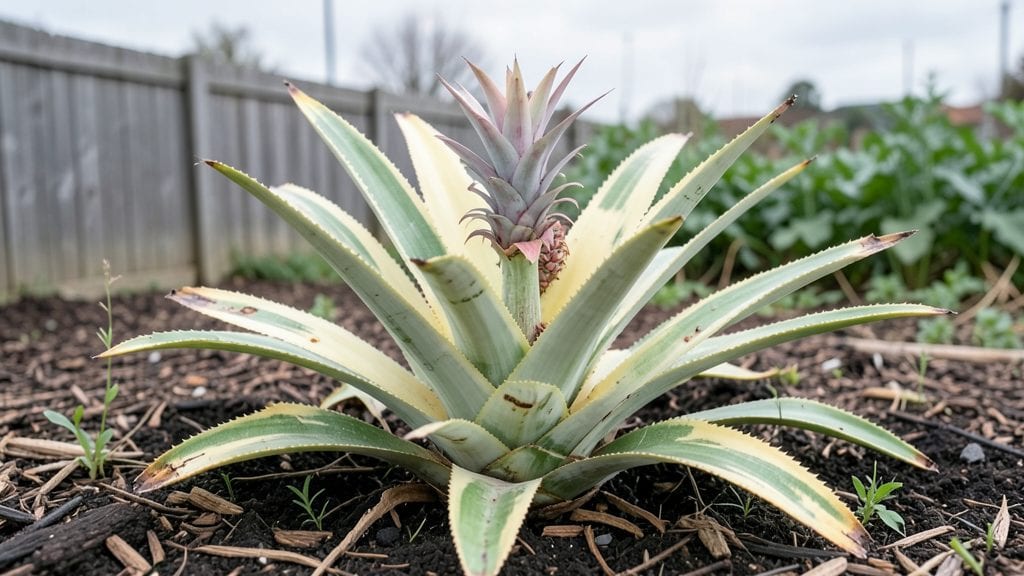
Ornamental pineapple plants are the unsung heroes of small gardens, offering year-round privacy with their bold, spiky foliage and dramatic blooms. 🌿 I first spotted them in a friend’s courtyard and immediately fell for how they turn a plain fence into a lush, tropical statement—no matter the season.
They thrive where most plants struggle, making them perfect for tight spaces or urban balconies.
The secret to growing them isn’t complicated: they love bright, indirect light but tolerate some shade, and their soil needs to drain fast—think cactus mix or gritty potting soil.
Watering is the trickiest part (they rot easily), but once established, they’re nearly indestructible. In containers, they’ll even flower for you, with those iconic pineapple-shaped blooms that last weeks.
By summer’s end, you’ll have a privacy screen that’s both functional and stunning—no chain-link eyesores in sight. The foliage stays vibrant year-round, and with just a few pups (baby plants), you can expand your display for free. Even in winter, their architectural shape keeps the garden looking intentional.
Works in pots, raised beds, or as a hedge—just avoid heavy clay soil. Let’s get yours growing strong!
📚 In This Guide
- What you need
- Instructions
- Tips and common mistakes
- Wrapping up and next steps
What you need
- ● Ornamental pineapple plants: 3–5 mature plants (choose compact varieties like Bromelia 'Acutifolia' or Tillandsia ionantha for privacy screens).
- ● Well-draining soil mix: 1 part potting soil + 2 parts perlite/pumice (5–10 gallons, depending on pot size).
- ● Containers or garden bed: Containers: 12–18" diameter pots (1 per plant; terracotta or fabric pots preferred).
- ● Garden bed: Raised bed or in-ground plot (minimum 3' wide × 4' long for a small screen).
- ● Slow-release fertilizer: 10–10–10 or bromeliad-specific granules (1 tbsp per plant).
- ● Watering can or spray bottle: With a fine mist nozzle for hydration.
- ● Pruners: Sharp, sterilized shears for trimming dead foliage.
- ○ Mulch (optional): Pine bark or coconut coir (1–2" layer to retain moisture).
- ○ Support stakes (optional): 3–4 bamboo stakes (for taller varieties like Bromelia 'Balansae').
- ● Grow lights (indoor use): LED full-spectrum bulb (12–14 hours/day for indoor plants).
- ● Peat moss or sphagnum moss (for air plants): If growing Tillandsia varieties.
Step-by-Step guide to planting ornamental pineapple plants for privacy
Here’s how to create a lush, year-round privacy screen using hardy pineapple plants.
🌱 Step 1: Select the Right Varieties and Planting Site
Choose cold-hardy ornamental pineapple varieties like Ananas comosus 'Variegatus' or Bromeliaceae hybrids, which tolerate cooler climates better than tropical types. Plant in a location with partial shade to full sun—morning sun and afternoon shade work best in hotter regions. The soil should drain well, so avoid low-lying areas where water pools.
I always test soil drainage by digging a 6-inch hole and filling it with water. If it drains within 30 minutes, the site is suitable. Amend heavy clay with 3 gallons of perlite per 10 square feet to improve aeration. Pineapple plants hate soggy roots, so prioritize well-draining soil over fertility.
🪴 Step 2: Prepare Planting Holes and Transplant Seedlings
Dig holes twice as wide and deep as the root ball of your pineapple plants. Space them 2-3 feet apart for a dense privacy screen—closer spacing encourages faster canopy closure. Gently remove each plant from its container and loosen the roots if they’re circling tightly. This prevents transplant shock and encourages outward root growth.
Place each plant in its hole, ensuring the top of the root ball sits 1 inch below soil level. Fill the hole with native soil mixed with 1 cup of compost per plant, tamping lightly to eliminate air pockets. Water deeply immediately after planting to settle the soil and eliminate gaps around roots.
☀️ Step 3: Mulch and Water for Establishment
Spread 2 inches of organic mulch (like pine bark or shredded leaves) around each plant, keeping it 3 inches away from the stem to prevent rot. Mulch conserves moisture and regulates soil temperature, which is critical in the first 6-8 weeks after planting. Water twice weekly during this period, ensuring the soil stays consistently moist but not waterlogged.
Check moisture by sticking your finger 2 inches into the soil. If it feels dry, water thoroughly until it drains from the bottom of the pot or hole. Avoid overhead watering—pineapple plants are susceptible to fungal diseases, so water at the base. After 4 weeks, reduce watering to once weekly unless the weather is exceptionally hot or dry.
✂️ Step 4: Prune and Maintain for Year-Round Growth
Prune lightly in early spring to shape the plant and remove any dead or yellowing leaves. Cut back leggy stems by one-third to encourage bushier growth. Pineapple plants produce offsets (pups) at their base—remove these regularly to redirect energy into the main plant’s growth. I like to repot and propagate the pups separately for free plants.
Fertilize lightly in spring with a balanced 10-10-10 formula, applying ½ teaspoon per plant. Over-fertilizing leads to weak, floppy growth. Monitor for pests like scale or mealybugs—wipe leaves with a damp cloth and neem oil if needed. With proper care, your pineapple plants will form a dense, evergreen screen within 12-18 months.
⏰ Step 5: Winter Care for Cold Hardy Varieties
Most ornamental pineapple varieties tolerate 20-25°F with minimal protection. In colder zones, wrap the base of each plant with burlap or frost cloth before the first frost. Avoid heavy mulch in winter—1 inch is sufficient—to prevent rot from excess moisture. Water sparingly during dormancy, only enough to keep the soil from drying out completely.
Prune back any frost-damaged foliage in early spring, but leave as many healthy leaves as possible. New growth will emerge from the center of the plant. If your variety isn’t cold-hardy, move potted plants to a sheltered location or indoors near a bright window. With consistent care, your privacy screen will thrive year-round.
Tips & tricks for perfect ornamental pineapple privacy screens
Creating a lush, year-round privacy screen with ornamental pineapple plants takes more than just planting—it’s about understanding their unique needs to ensure they thrive for years.
Soil Drainage is Non-Negotiable: The 30-minute drainage test in Step 1 is your best friend. If water pools longer than that, amend with perlite or sand until you achieve proper drainage. I’ve seen pineapple plants fail within weeks because of soggy roots—don’t let this happen to yours. For heavy clay soil, consider raised beds to prevent waterlogging entirely.
Root Ball Placement Matters: When planting, the top of the root ball should sit 1 inch below soil level, as mentioned in Step 2. This subtle adjustment prevents stem rot while ensuring stability. If your plants wobble after transplanting, add a small amount of soil to the sides and water again to settle it. Trust me on this—proper placement makes all the difference in establishment.
Mulching Strategy for Long-Term Health: The 2 inches of organic mulch in Step 3 isn’t just about moisture—it’s about protecting the roots from temperature swings. In hot climates, mulch keeps roots cool; in cooler areas, it insulates against frost. Just keep it 3 inches away from the stem to prevent rot. I’ve seen gardeners double the mulch thickness, but that actually traps too much moisture and can suffocate the roots.
Winter Protection Without Overdoing It: The 20-25°F tolerance mentioned in Step 5 is impressive, but don’t assume your plants are invincible. Wrap the base with burlap before the first frost, and remember—1 inch of mulch is sufficient in winter. Too much mulch can trap moisture and lead to rot during dormancy. A little protection goes a long way without smothering the plants.
Pro Tips for Ornamental Pineapple Plants
- Creating a lush, year-round privacy screen with ornamental pineapple plants takes more than just planting—it’s about understanding their unique needs to ensure they thrive for years.
- Soil Drainage is Non-Negotiable: The 30-minute drainage test in Step 1 is your best friend.
- Root Ball Placement Matters: When planting, the top of the root ball should sit 1 inch below soil level, as mentioned in Step 2.
Frequently asked questions
How fast do ornamental pineapple plants grow?
Ornamental pineapple plants grow at a moderate pace—typically 12–24 inches per year under ideal conditions. With proper care (sunlight, water, and soil), they can reach 4–6 feet tall in 3–5 years, making them a great long-term privacy solution. For faster growth, use well-draining soil and fertilize lightly in spring.
Can I grow ornamental pineapple plants in containers?
Yes! They thrive in large containers (at least 12–18 inches deep) with drainage holes. Use a fast-draining mix (like cactus soil) and repot every 2–3 years to prevent root binding. Containers also make them highly mobile, perfect for renters or small spaces.
How cold-hardy are these plants?
Most ornamental pineapple plants are tender perennials and die back in frost (below 20°F/-7°C). In colder climates, grow them in containers and move them indoors or mulch heavily. Some varieties (like Bromeliads) tolerate slightly cooler temps but still need winter protection.
What’s a good alternative if I need faster privacy?
For quick privacy, pair ornamental pineapple plants with bamboo (Fargesia) or ornamental grasses (Miscanthus), which grow faster. If you want year-round greenery, add holly bushes or boxwoods for density. Just ensure all plants share similar sunlight and water needs!
Why are my pineapple plant leaves turning yellow?
Yellowing leaves usually signal overwatering or poor drainage. Let the soil dry between waterings and ensure pots/containers have holes. Brown tips? It’s likely fluoride buildup from tap water—use rainwater or distilled water instead. Pests (like spider mites) can also cause stress—check undersides of leaves!
Wrapping up and next steps
Ornamental pineapple plants are a game-changer for small gardens, offering year-round privacy, bold texture, and effortless charm—without sacrificing space. Their compact size, hardiness, and striking foliage make them a standout choice for modern landscapes, whether you’re a seasoned gardener or just starting out. 🌿✨
Ready to transform your garden? Start by selecting a sunny spot, gathering your supplies, and planting with confidence. Your dream privacy screen is just a few steps away!