
Planting
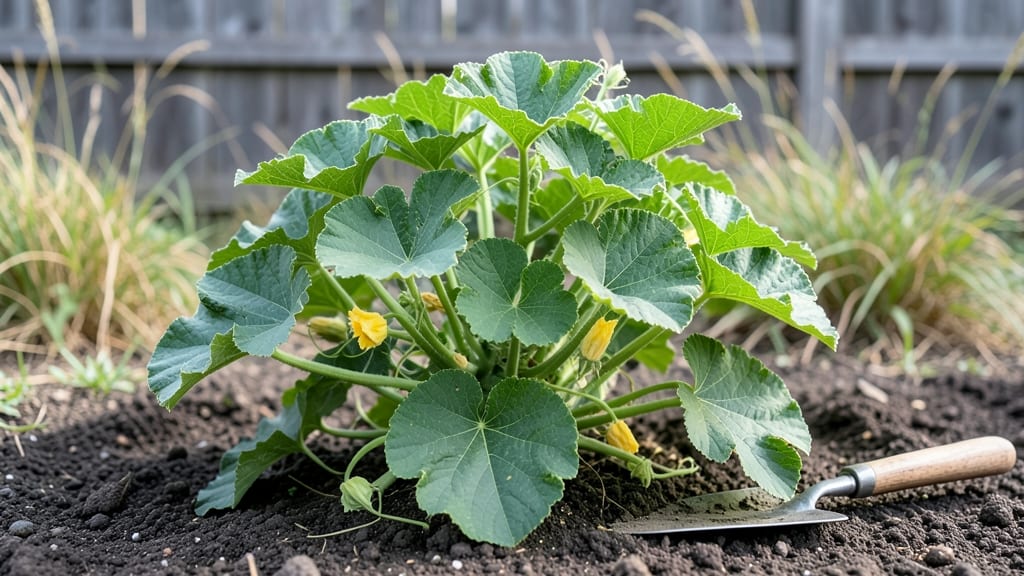
Growing small cantaloupe plants in tight spaces isn't a fantasy—it's a foolproof way to enjoy homegrown melons even on a balcony or patio. 🌱 I've watched these compact vines produce sweet, ripe fruit in just 5x5-foot containers, proving you don't need a backyard to succeed.
The key lies in choosing the right dwarf varieties and training them smartly from day one.
Start with miniature cantaloupe varieties like 'Minnesota Midget' or 'Tiny Tim,' which stay under 3 feet tall while still delivering flavor-packed fruit. You'll need 5-10 gallons per plant, a sturdy trellis or cage, and 6+ hours of direct sunlight daily—no fancy equipment required.
Most beginners overlook the soil prep: mix in compost and a slow-release fertilizer to give those shallow roots a nutrient boost right away.
By summer's end, you'll be harvesting 3-5 pound melons that taste sweeter than anything from the store. The vines stay manageable with weekly pruning to remove suckers, and a drip irrigation system keeps roots consistently moist without the hassle of daily watering.
Even in small spaces, these plants deliver neighborhood bragging rights—just imagine the first bite of your own homegrown cantaloupe.
This method works equally well for urban balconies, rooftop gardens, or even large pots on sunny patios. The same principles apply whether you're growing one plant or a small cluster—just scale the containers and trellises accordingly. Let's get those small cantaloupe plants thriving!
📚 In This Guide
- What you need
- Instructions
- Tips and common mistakes
- Wrapping up and next steps
What you need
- ● Seeds or Seedlings: Choose compact cantaloupe varieties like ‘Tiny Tim’, ‘Minnesota Midget’, or ‘Sugar Baby’ (3–5 seeds or 1–2 seedlings).
- ● Containers or Small Garden Space: 5-gallon pots or larger (for 1 plant per container)
- ● Raised beds (minimum 12" deep, 3–4 ft wide)
- ● Grow bags (10–15 gallons, with drainage holes)
- ● Soil: Well-draining, nutrient-rich potting mix or garden soil amended with compost (avoid heavy clay).
- ● Fertilizer: Balanced organic fertilizer (10-10-10 or 5-5-5, 1 tbsp per plant at planting)
- ● Slow-release granular fertilizer (follow package instructions for feeding)
- ○ Support Structures (Optional but Helpful): Small trellis or tomato cages (for vining varieties)
- ● Sturdy stakes (if growing bush types)
- ● Gardening Tools: Trowel or small shovel
- ● Pruners (for trimming vines)
- ● Watering can or hose with gentle spray nozzle
- ● Sunlight: Full sun (6–8+ hours daily).
- ● Water: Consistent moisture (1–2 inches per week, more during fruit development).
- ○ Mulch (Optional): Straw or shredded leaves to retain moisture and suppress weeds.
- ● Pest Control (Preventative): Neem oil or insecticidal soap (for aphids or cucumber beetles)
- ● Row covers (to protect seedlings from pests)
How to grow compact cantaloupe vines in limited space
Here’s how to coax cantaloupes into a manageable size without sacrificing flavor or yield.
🪴 Step 1: Select the Right Variety and Container
Start with a bush-type cantaloupe variety like ‘Minnesota Midget’ or ‘Tiny’, which naturally stay under 3 feet tall and produce 2-3 pound melons instead of the standard 10-pound monsters. These compact types still deliver sweet, full-flavored fruit but with far less sprawl.
Use a 5-gallon container for each plant—this gives roots enough room to establish without becoming root-bound. Drill 4-6 drainage holes in the bottom, then line with a 2-inch layer of gravel to prevent soil from clogging them. Cantaloupes are heavy feeders, so choose a container with sturdy sides—a black plastic pot absorbs heat and encourages faster ripening.
🌱 Step 2: Plant in Well-Draining, Fertile Soil
Fill the container with a custom mix of 50% potting soil, 30% coconut coir, and 20% perlite—this balance ensures excellent drainage while retaining moisture. Cantaloupes wilt quickly when roots suffocate, so avoid garden soil, which compacts and holds too much water.
Add 1 cup of compost and 1 tablespoon of balanced 10-10-10 fertilizer to the mix before planting. Work it in evenly, then moisten the soil until it’s damp 1 inch deep—like a wrung-out sponge. Plant one seed per container, pressing it ½ inch deep into the soil. Cantaloupe seeds are large, so there’s no need to sow multiple seeds per pot.
☀️ Step 3: Provide Full Sun and Consistent Heat
Cantaloupes demand full sun (6+ hours daily) and warm soil to thrive. Place your containers in a south-facing spot where temperatures stay above 70°F—cold soil delays germination and stunts growth. If your climate dips below 55°F at night, use a mini greenhouse cloche or row cover to protect young plants.
Once seedlings emerge (in 7-10 days), thin to the strongest sprout and remove the rest immediately. You’ll know it’s ready when the first true leaves appear—these are the deep green, serrated leaves, not the initial seed leaves. Keep the soil consistently moist but never soggy; cantaloupes are drought-tolerant once established, but young plants need steady water.
💧 Step 4: Train Vines and Support Growth
As vines grow, prune aggressively to control size. Pinch off side shoots that emerge from the main stem when they’re 2-3 inches long—this redirects energy to fruit production instead of sprawl. Leave 2-3 main vines per plant; any more, and the container becomes overcrowded.
Install a small trellis or cage (like a 4-foot tomato cage) to support vines as they climb. Cantaloupes are heavy, so secure the trellis to the container with soft ties to prevent tipping. Once flowers appear (in 4-6 weeks), hand-pollinate by gently shaking the plant in the morning—this mimics bees and ensures fruit set.
✂️ Step 5: Harvest at Peak Ripeness
Cantaloupes are ready when the stem slips easily from the vine and the ground spot (where the melon touched the soil) turns cream-colored. Compact varieties stay small, so harvest when they reach 3-5 pounds—waiting longer won’t improve flavor but may lead to overripe, seedy fruit.
Cut the melon from the vine with a clean knife, leaving a 1-inch stem. Store in a cool, dry place (55-60°F) for up to 2 weeks. The key to small-space success? Prune early, pollinate often, and harvest promptly—this keeps plants manageable while delivering sweet, vine-ripened melons.
Tips & tricks for growing compact cantaloupe vines
These space-saving secrets will help you maximize your small-space cantaloupe harvest without sacrificing sweetness or yield.
Container Selection Wisdom: I always opt for black plastic pots because they absorb heat and accelerate ripening—critical when growing in limited space. The 5-gallon size is perfect for bush varieties, but if you're working with even tighter spaces, consider 3-gallon containers for 'Tiny' cantaloupes. Just be prepared to harvest slightly smaller melons (around 1-2 pounds) when using smaller pots. The key is ensuring your container has sturdy sides—cantaloupes get heavy!
Soil Temperature Secret: The 70°F soil temperature mentioned in Step 3 is non-negotiable for germination. To achieve this in cooler climates, place containers on a black plastic sheet or use a heat mat underneath. I've found that pre-warming containers in the sun for a few hours before planting can shave 2-3 days off germination time. Also, avoid compacting the soil when planting—gentle pressure is all you need to get that ½-inch depth for seeds.
Pruning Precision: When pinching off those 2-3 inch side shoots in Step 4, I recommend using clean pruning shears to avoid damaging the main stem. The goal is to leave 2-3 main vines—any more and you'll crowd the container. Here's my trick: mark the vines with a soft tie when they reach 12 inches to visualize where to stop growth. This visual cue prevents over-pruning, which can stress the plant.
Harvest Timing: The 3-5 pound weight range for compact cantaloupes is ideal, but I've learned to trust the cream-colored ground spot more than the weight. If you're unsure, gently press the melon—it should yield slightly to pressure. Overripe cantaloupes lose their sweetness and become seedy, so harvest promptly when these signs appear. Store in a 55-60°F environment to maintain quality for up to 2 weeks.
Pro Tips for Small Cantaloupe Plant
- These space-saving secrets will help you maximize your small-space cantaloupe harvest without sacrificing sweetness or yield.
- Container Selection Wisdom: I always opt for black plastic pots because they absorb heat and accelerate ripening—critical when growing in limited space.
- Soil Temperature Secret: The 70°F soil temperature mentioned in Step 3 is non-negotiable for germination.
Frequently asked questions
Got questions about growing small cantaloupe plants? You’re not alone! Here are some of the most common concerns—and quick, practical answers to help you succeed.
How long does it take for a small cantaloupe plant to produce fruit?
With proper care, small cantaloupe varieties (like ‘Minnesota Midget’ or ‘Tiny Tim’) typically produce fruit 60–75 days after planting. Warmer climates may speed this up, while cooler regions could extend it slightly. Patience pays off—just keep those vines happy with consistent water and sunlight!
Can I grow cantaloupes in containers or small spaces?
Small cantaloupe varieties thrive in 5-gallon containers or larger with good drainage. Use a lightweight potting mix, and place containers where they get full sun (6+ hours/day). Trellising can save space too—just ensure the fruit is supported to avoid rot.
What’s the best way to protect small cantaloupe plants from pests?
Watch for cucumber beetles, aphids, and squash bugs—they love cantaloupes! Use row covers early in the season, handpick pests, or spray with neem oil. Healthy plants (rich in compost) are less tempting to critters. Pro tip: Interplant with basil or marigolds to deter pests naturally!
How often should I water a small cantaloupe plant?
Keep soil consistently moist but not soggy—about 1–2 inches of water per week, more in extreme heat. Water at the base (not leaves) to prevent disease. Mulch helps retain moisture and keeps roots cool. Watch for wilting: It’s thirsty if leaves droop in the afternoon!
Why aren’t my small cantaloupe plants flowering?
Lack of flowers? Check these fixes:
- Sunlight: Ensure 6+ hours of direct sun daily—cantaloupes are sun-worshippers!
- Temperature: Days need to be 70°F+ for pollination. Use a greenhouse or row cover if nights are chilly.
- Fertilizer: A balanced 10-10-10 or low-nitrogen feed can encourage blooms.
- Hand-pollinate: Gently shake plants or use a paintbrush to transfer pollen if bees are scarce.
Wrapping up and next steps
Growing small cantaloupe plants is a rewarding way to enjoy fresh, homegrown fruit—even in tight spaces! 🌱 With the right space-saving tricks, proper care, and a little patience, you’ll be savoring sweet, juicy melons in no time.
Whether you’re using containers, trellises, or vertical gardens, your efforts will pay off with a bountiful harvest.
Ready to take the next step? Start by selecting your favorite variety and get planting—your future self (and taste buds!) will thank you. Happy gardening! 🌞