
Watering
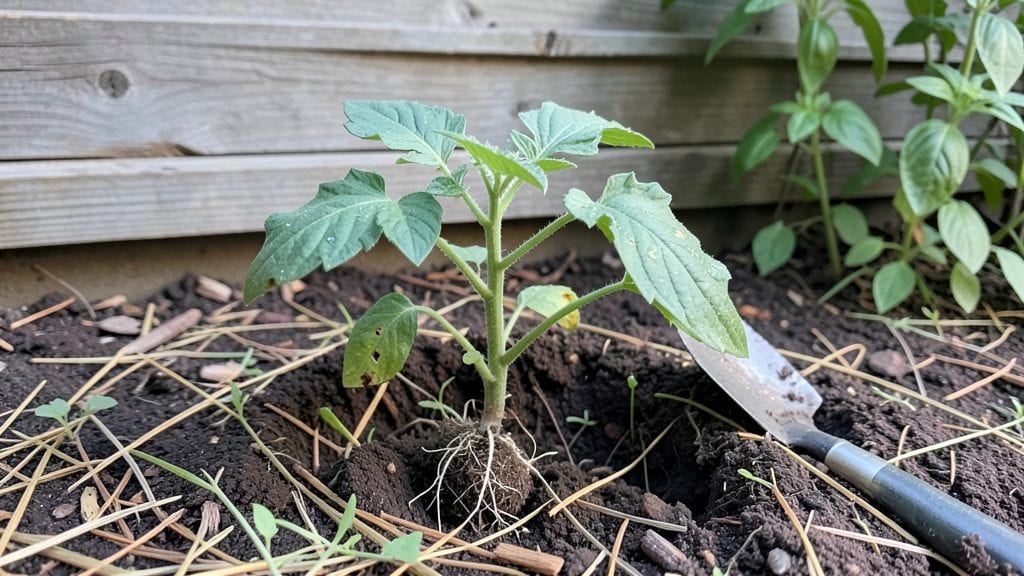
Recognizing signs for planting means watching for warmed soil, blooming early flowers like crocuses or daffodils, and spotting earthworms or crumbly soil. Never plant when frost lingers or the ground stays hard.
Mother Nature gives gardeners clear signals when it's time to plant—you just need to know what to look for. 🌱 The soil temperature is your best friend: most plants thrive when the ground reaches 60°F at least an inch deep.
Early bloomers like crocuses or daffodils popping up mean winter’s grip is loosening, while earthworms returning to the surface confirm the soil has thawed enough for roots to establish. These cues work together to create the perfect window for planting, whether you're sowing seeds or transplanting seedlings.
What’s fascinating is how these signs vary by region. In warmer climates, you might rely on rainfall patterns or the first appearance of specific weeds, while in colder areas, the last frost date becomes your guide.
I always check local weather patterns and plant phenology charts to fine-tune my timing—it makes all the difference between a thriving garden and a struggling one.
💡 In This Article
- How to Read Nature’s Planting Cues
- Best Planting Signs by Season and Region
How to read Nature’s planting cues
The science behind planting signs starts with soil temperature thresholds. Most vegetables and flowers need the ground to reach 50-60°F at least 6 inches deep—this warmth triggers microbial activity that breaks down organic matter, making nutrients available to new roots.
You can test this with a soil thermometer or by pressing your hand into the ground: if it feels warm enough to keep your hand comfortable for 5 seconds, it’s likely ready.
Cold soil slows germination, while soil that’s too hot (above 85°F) can cook seeds before they sprout. 🌡️
Plant phenology—how plants bloom and grow—offers another reliable clue. For example, when crocuses or daffodils push through the soil, it signals that the last frost date has passed in most temperate zones.
These flowers are cold-hardy perennials that emerge when soil temperatures stabilize above 40°F, creating a 3-4 week window before summer heat arrives. Similarly, the appearance of dandelions often precedes the safe planting of cool-season crops like lettuce or spinach, as their deep roots indicate thawed, workable soil.
Moisture levels play a critical role in seed viability. Seeds need consistent moisture to germinate, which is why soft, crumbly soil (not muddy) is ideal—it holds water without suffocating roots. Earthworms returning to the surface confirm the soil has the right balance of moisture and aeration.
These worms thrive in 50-70% soil moisture and aerate the ground, creating channels for roots and water to move freely. If you see them, it’s a sign the soil structure is perfect for planting. 🐛
Frost dates and local ecosystems further refine timing. In USDA Zone 5, for instance, the last frost typically occurs around May 15th, but in Zone 10, frost is rare, and gardeners rely on rainfall patterns instead.
The key is observing three consecutive days above 50°F—this consistency is what plants need to establish roots without stress. Even in tropical regions, the monsoon season’s onset (marked by sudden humidity spikes) signals the best time to plant moisture-loving crops like rice or okra.
What most people overlook is how microclimates affect these signs. A south-facing slope warms up faster than a north-facing area, so plants there may emerge 2-3 weeks earlier. Similarly, urban areas can be 5-10°F warmer than rural zones due to the "heat island" effect, altering planting cues.
To adapt, I always adjust my timing based on local weather records and my own observations—like noting when cherry blossoms peak in my neighborhood, which usually aligns with the safe planting window for tomatoes.
Here’s a quick checklist to verify your cues: 1) Soil temp at 60°F or warmer, 2) Early bloomers like crocuses or forsythia in bloom, 3) Earthworms active on the surface, 4) No frost predicted in the next 2 weeks.
When all four align, you’re in the optimal planting window. 🌱