Flowers
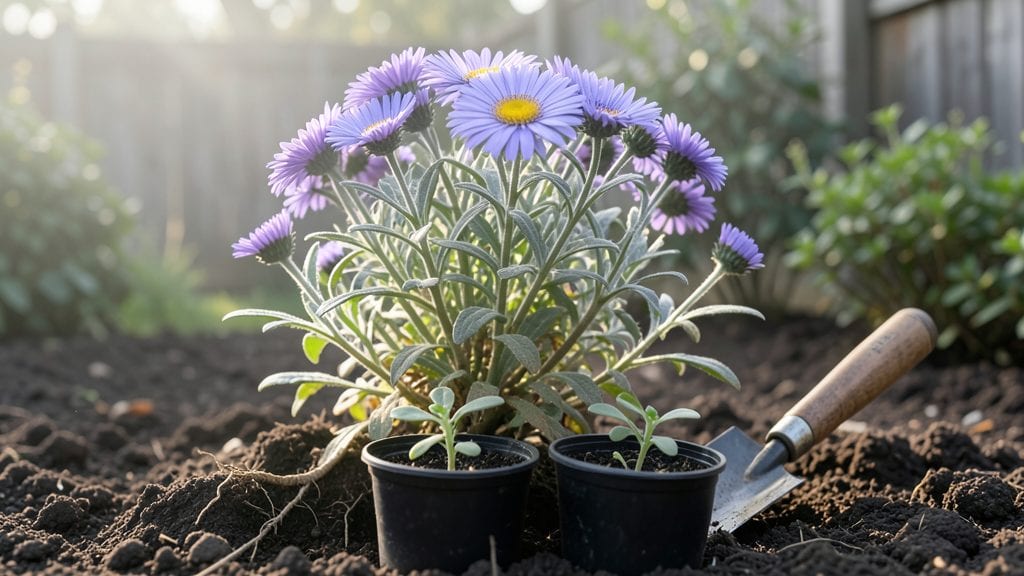
African daisies transform sun-drenched garden corners into cheerful bursts of color that last from summer through fall. 🌻 I planted my first batch in a spot that got morning sun and afternoon shade, and within weeks, those bright yellow blooms became the star of my summer garden.
The secret isn't just the sunlight—they're surprisingly low-maintenance once you get the soil and spacing right.
You'll need well-draining soil (they hate soggy roots), a sunny spot with at least 6 hours of light, and a little patience. Space plants 12-18 inches apart to give them room to spread, and plant seeds just 1/4 inch deep.
Most people overwater these tough little plants—once established, they thrive on neglect, needing water only when the top inch of soil feels dry.
What you'll end up with is a garden that stays vibrant for months with almost no effort. The blooms attract butterflies, and the plants stay compact without needing deadheading.
Even in my hot, dry summers, they keep producing flowers until the first frost, making them the most reliable annual I've ever grown.
Works perfectly in borders, containers, or as a mass planting for instant impact. Here's how to get yours growing strong from the start—without the common mistakes that kill them before they even bloom.
📚 In This Guide
- What you need
- Instructions
- Tips and common mistakes
- Wrapping up and next steps
What you need
- ● African Daisy Plants: 3–6 nursery-grown plants (for quick blooms) or
- ● Seeds (start indoors 8–10 weeks before last frost)
- ● Soil: Well-draining potting mix (for containers) or
- ● Amended garden soil: Mix 1 part compost with 2 parts native soil (add perlite or sand for drainage)
- ● Containers (if not planting in-ground): 5–7 inch pots (1 plant per container) with drainage holes
- ● Tools: Trowel or small shovel
- ○ Gloves (optional but recommended)
- ● Watering can or hose with gentle spray nozzle
- ● Fertilizer: Slow-release balanced fertilizer (10-10-10) or organic options like fish emulsion
- ● Mulch: Organic mulch (e.g., straw or shredded bark) to retain moisture
- ● Plant supports: Small stakes (if growing tall varieties like ‘Blue Danube’)
- ● Pruning shears: For deadheading spent blooms
- ● Plant markers: Labels to track varieties (especially useful for seed-grown plants!)
Step-by-Step instructions for planting African daisies
Here's the straightforward approach I've used to keep these sun-lovers blooming for years.
🌱 Step 1: Choose the Perfect Planting Spot
African daisies adore full sun to partial shade—think 6+ hours of sunlight daily but with afternoon shade in hot climates. I always test a spot first by placing a white board where I plan to plant. If it gets too hot to touch after a few hours, the area has too much direct afternoon sun.
Well-draining soil is critical—these plants hate soggy roots. If your garden has heavy clay, amend with 2-3 inches of compost mixed into the top 12 inches of soil. Dig a hole about twice as wide as the plant's root ball but only as deep as the container it came in.
🪴 Step 2: Prepare and Plant Each African Daisy
Gently remove the plant from its container and loosen any circling roots with your fingers. Place it in the hole so the top of the root ball sits just below soil level—burying the crown too deep causes rot. Fill around the roots with native soil, pressing lightly to eliminate air pockets.
For each of your 4 plants, space them 18-24 inches apart in all directions. This gives them room to grow without competing for nutrients. Water deeply right after planting to help settle the soil and encourage root contact with the surrounding earth.
☀️ Step 3: Water and Mulch for Long-Term Success
Water newly planted African daisies deeply once a week during the first month, allowing 1-2 inches of water to soak into the soil. You'll know it's enough when water runs out the drainage holes if you're using containers, or when the top 2-3 inches of soil feel moist.
Spread 2-3 inches of mulch around each plant, keeping it 2 inches away from the stems to prevent rot. I use shredded bark mulch because it breaks down slowly and improves soil structure over time. This layer helps retain moisture and keeps roots cool during hot summer days.
✂️ Step 4: Maintain Blooms Through the Season
Deadhead spent blooms by pinching off the flower heads just above the next set of leaves. I do this every 2-3 weeks during the blooming season to encourage continuous flowering. You'll notice new buds forming within 2-3 weeks of regular deadheading.
Fertilize lightly once in early spring and again mid-summer with a balanced, slow-release fertilizer. Too much nitrogen makes plants leafy but few-flowered. If you see yellowing leaves, it's a sign of over-fertilization—reduce feeding immediately and water thoroughly to flush excess nutrients from the soil.
🌿 Step 5: Prepare for Winter Dormancy
As temperatures drop below 40°F at night, African daisies enter dormancy. Reduce watering to every 3-4 weeks and stop fertilizing completely. The plants will develop a woody base and drop most of their foliage—this is normal and nothing to worry about.
In late winter, when you see new growth starting, resume regular watering and fertilizing. You'll know it's time to start again when the stems begin to green up and new buds appear. This cycle ensures your plants come back stronger each year.
Tips & tricks for perfect African daisy planting
Here's what I've learned after years of growing these vibrant beauties—simple tricks that make all the difference for long-lasting blooms.
The Sunlight Test: That white board trick in Step 1 is a game-changer. I've planted in spots that seemed perfect until I discovered they were too hot after testing. African daisies need that balance of sun and afternoon shade, especially in hotter climates. If you don't have a white board, use your hand—if it's too hot to touch after a few hours, the area gets too much direct sun.
Root Ball Placement: In Step 2, that "just below soil level" guideline is crucial. I once buried the crown too deep and lost two plants to rot. Think of it like a pancake—you want the top of the root ball sitting just below the surface, not buried like a pancake in syrup. This prevents water from pooling and causing rot.
Deadheading Timing: The 2-3 week deadheading schedule in Step 4 actually works best if you do it right after the flowers fade. I used to wait too long, and the plants would get overcrowded with seed heads. Pinch those spent blooms above the next set of leaves, and you'll see new buds forming within 2-3 weeks—it's like magic!
Winter Watering Wisdom: When temperatures drop below 40°F in Step 5, those 3-4 week watering intervals might feel excessive. But trust me—this is when roots need that moisture to prepare for dormancy. I've seen plants revive beautifully after winter when given this care, while others that dried out completely struggled to bounce back.
Pro Tips for African Daisy Planting
- Here's what I've learned after years of growing these vibrant beauties—simple tricks that make all the difference for long-lasting blooms.
- The Sunlight Test: That white board trick in Step 1 is a game-changer.
- Root Ball Placement: In Step 2, that "just below soil level" guideline is crucial.
Frequently asked questions
Got questions about growing African daisies?
You’re not alone! Here are answers to the most common queries to help you plant with confidence and keep those vibrant blooms thriving.
When is the best time to plant African daisies?
For Osteospermum (African daisies), plant in early spring after the last frost or in late summer to early fall in warmer climates. This gives roots time to establish before winter or intense summer heat. If planting in containers, you can extend the window slightly—just avoid extreme cold or scorching sun.
How often should I water African daisies?
Water moderately—about 1 inch per week, including rainfall. Let the top inch of soil dry out between waterings to prevent root rot. Once established, these drought-tolerant beauties prefer less frequent, deeper watering. Mulch around the base to retain moisture and keep weeds at bay.
Can African daisies grow in full shade?
While they love sun, African daisies tolerate partial shade (4–6 hours of sunlight daily). In deep shade, blooms may dwindle, and stems can become leggy. For shaded spots, choose light-colored varieties (like ‘Blue Horizon’) or supplement with a grow light if indoors.
Why aren’t my African daisies blooming?
Lack of blooms often signals over-fertilizing with high-nitrogen food (which encourages foliage) or poor sunlight. Try deadheading spent blooms to encourage new flowers, and switch to a low-nitrogen, high-phosphorus fertilizer (like 5-10-10) in spring. Prune leggy stems to promote bushier growth.
Are African daisies annuals or perennials?
In USDA zones 8–11, they’re perennials (returning yearly). In colder zones (below 7), treat them as tender perennials—dig up tubers in fall, overwinter indoors, and replant in spring. For year-round color, sow new seeds annually or propagate cuttings.
How do I overwinter African daisies in cold climates?
Before frost, cut back stems to 2 inches, lift tubers, and pot them in sandy soil. Store in a cool (40–50°F), dark place (like a garage) with minimal water. Resume watering in late winter and replant after the last frost. Pro tip: Add a mulch layer in-ground plants for extra protection!
Wrapping up and next steps
Planting African daisies is a rewarding way to add vibrant color and low-maintenance beauty to your garden! These sun-loving blooms thrive with minimal fuss, making them perfect for gardeners of all skill levels.
Whether you’re brightening up a sunny border or adding a pop of contrast to a mixed bed, your African daisies will thank you with bold, cheerful flowers all season long.
Ready to dive in? Grab your gloves, pick a sunny spot, and get planting—your garden’s next star is just a few steps away! 🌸✨