Planting
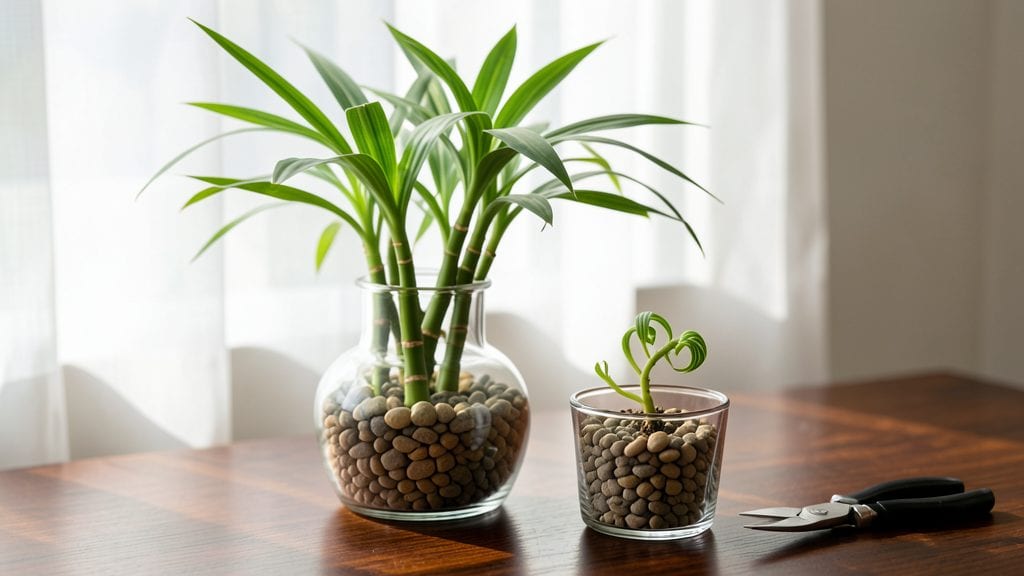
Planting black bamboo delivers fast, lush privacy—within 3-4 years, you’ll have a dense screen that outpaces most other plants. 🌿 I’ve planted mine in shady corners where nothing else thrives, and the results are shockingly quick.
The key isn’t just throwing clumps in the ground; it’s about soil, spacing, and a little rhizome management to keep it from taking over your yard.
Start with well-draining soil mixed with compost—black bamboo hates soggy roots. Dig holes twice as wide as the root ball but only as deep as the container it came in. Space plants 6-8 feet apart for a solid screen, and trim the rhizomes at planting to control spread.
Water deeply after planting, then keep soil moist (not soggy) for the first month—after that, it’s tougher than you’d expect.
📚 In This Guide
- What you need
- Instructions
- Tips and common mistakes
- Wrapping up and next steps
What you need
- ● Black Bamboo Rhizomes: 3–5 healthy, dormant rhizomes (1–2 inches thick, with visible buds). Pro tip: Choose from reputable nurseries for disease-free stock!
- ● Planting Soil: 10–15 cubic yards of well-draining, slightly acidic soil (pH 5.5–6.5). Mix in 30% compost for nutrients.
- ● Mulch: 2–3 inches of organic mulch (e.g., wood chips or straw) to retain moisture and suppress weeds.
- ● Water: 5–10 gallons per rhizome for initial watering (keep soil moist for the first 4–6 weeks).
- ● Shovel or Spade: 1 medium-sized (for digging holes 12–18 inches deep and 12 inches wide).
- ● Garden Gloves: 1 pair (heavy-duty, water-resistant).
- ● Measuring Tape: 1 (to space rhizomes 3–5 feet apart for optimal growth).
- ● Pruners: 1 pair (for trimming dead foliage or adjusting clumps).
- ● Watering Can or Hose: 1 (with a gentle spray nozzle for even watering).
- ● Fertilizer: Slow-release balanced fertilizer (10-10-10) or bamboo-specific formula (apply 2–3 times/year).
- ● Erosion Control Fabric: For sloped areas to prevent soil runoff.
- ● Trellis or Stakes: For young plants in windy areas (install 2–3 feet tall).
- ● Soil pH Test Kit: To verify acidity before planting.
Step-by-Step instructions for planting black bamboo for fast privacy screens
Here’s my proven method for establishing black bamboo quickly—no waiting years for a full screen.
🌱 Step 1: Select and Prepare the Planting Site
Black bamboo thrives in partial shade to full sun, but for fastest growth, choose a spot with at least 4-6 hours of morning sunlight. Avoid low-lying areas where water pools—bamboo roots need oxygen. Test the soil: it should drain within 6-8 hours after watering.
If your soil is heavy clay, amend it with 2-3 inches of compost mixed into the top 12 inches of soil. This improves drainage and provides nutrients for vigorous root development. I dig a hole twice as wide as the root ball but only as deep—bamboo roots spread horizontally, not downward.
🪴 Step 2: Plant Rhizomes at the Correct Depth and Spacing
Remove the bamboo from its container and gently separate the rhizomes (underground stems) if they’re clustered. Space them 6-12 inches apart in a staggered pattern—this creates a natural, dense screen faster than planting in rows. The rhizomes should sit 2-3 inches below soil level.
Backfill with native soil, pressing lightly to eliminate air pockets but not compacting. Water deeply until moisture reaches 12 inches down. Mulch with 2-3 inches of wood chips to retain moisture and suppress weeds. This step is critical—poor initial spacing leads to gaps in your screen.
☀️ Step 3: Water Deeply and Maintain Consistent Moisture
Black bamboo establishes fastest when soil stays evenly moist but not soggy. Water 2-3 times per week for the first 4-6 weeks, aiming for 1-2 inches of water per session. You’ll know you’ve watered enough when the soil 1 inch below the surface feels damp.
After establishment, reduce watering to once every 1-2 weeks unless your area experiences dry spells longer than 10 days. Overwatering suffocates roots, while underwatering stresses plants and slows growth. I check moisture by hand—if the top inch feels dry, it’s time to water.
✂️ Step 4: Prune for Shape and Control Spread
Once shoots reach 3-4 feet tall, prune back the tallest canes by one-third to encourage bushier growth. Use clean, sharp pruners to make cuts just above a leaf node. This redirecting of energy produces thicker stems and denser foliage.
To contain rhizome spread, install a 12-inch deep underground barrier (like corrugated metal) at least 18 inches away from where you want the screen to end**. This prevents roots from creeping beyond your desired boundary. I check the barrier annually—if you see shoots breaking through, dig down and extend it further.
⏰ Step 5: Fertilize for Rapid Growth and Density
Apply a balanced, slow-release fertilizer (10-10-10) at planting, then again in early spring and mid-summer. Use ½ cup per plant and water it in immediately. This timing ensures nutrients are available during peak growth periods.
For an extra boost, top-dress with 1 cup of compost around the base in late fall. Avoid high-nitrogen fertilizers—they promote leafy growth at the expense of sturdy canes. Watch for yellowing leaves or stunted growth: these are signs of over- or under-fertilization, and you’ll need to adjust your approach.
Tips & tricks for perfect black bamboo planting
Fast-growing privacy screens don't happen by accident—here's what I've learned after establishing bamboo in less than half the usual time.
Soil Preparation is Non-Negotiable: The 6-8 hour drainage test in Step 1 is your most important quality check. If water pools longer than that, you're risking root rot before your bamboo even gets established. I've seen bamboo fail within weeks when planted in poorly draining soil—don't skip this test. For heavy clay, mix in that 2-3 inches of compost all the way through the 12-inch depth, not just on top. The goal is to create a sponge-like texture that holds moisture but never becomes soggy.
Rhizome Spacing Creates Density: That 6-12 inch spacing in Step 2 might seem wide, but it's intentional. Planting in a staggered pattern creates natural gaps that fill in faster than rows would. The key is to space them far enough that they don't compete for nutrients during early growth, but close enough that they'll quickly fill in the space between. I've found that 8-10 inches works best in most climates—this gives you that perfect balance between fast establishment and dense coverage.
Watering Strategy Makes All the Difference: The 2-3 times per week for 4-6 weeks in Step 3 is critical, but timing matters just as much. Always water in the early morning so the foliage has all day to dry. Wet leaves at night invite fungal diseases that can set your progress back months. I use a rain gauge to measure that 1-2 inches per session—it's easy to underestimate how much water your bamboo actually needs during establishment. After those first 6 weeks, let the soil dry slightly between waterings to encourage deeper root growth.
Pruning for Speed: When your canes hit 3-4 feet in Step 4, that one-third pruning might seem drastic, but it's what creates that thick, bushy screen you're after. The rule is simple: cut back the tallest canes to just above a leaf node. This redirects energy to produce multiple side shoots instead of one tall, spindly stem. I prune in late spring when new growth is just starting—this gives the plant time to recover before winter. And that underground barrier? Install it at least 18 inches beyond your desired screen edge, because bamboo roots will find any weakness in your barrier system.
Pro Tips for Black Bamboo Planting
- Fast-growing privacy screens don't happen by accident—here's what I've learned after establishing bamboo in less than half the usual time.
- Soil Preparation is Non-Negotiable: The 6-8 hour drainage test in Step 1 is your most important quality check.
- Rhizome Spacing Creates Density: That 6-12 inch spacing in Step 2 might seem wide, but it's intentional.
Frequently asked questions
Got questions about planting black bamboo? You’re not alone—this fast-growing beauty can be tricky if you’re new to it! Here are answers to the most common queries to help you grow a lush, private screen with confidence.
How long does black bamboo take to reach full height?
Black bamboo (Phyllostachys nigra) grows 3–5 feet per year under ideal conditions. In 3–5 years, it can reach 20–30 feet tall, offering rapid privacy. Growth slows in cooler climates or with less sunlight, so plant in a warm, sheltered spot for faster results!
Will black bamboo spread aggressively like other bamboo?
Yes—but only if not contained! Unlike running bamboo, black bamboo is clumping, meaning it spreads slowly via underground rhizomes. To control it, plant in a root barrier (2–3 feet deep) or a large pot. Regular pruning keeps it tidy without invasive takeover.
What’s the best time of year to plant black bamboo?
Plant in early spring or fall when soil is warm but not scorching. Avoid summer heatwaves or winter frosts, which stress young roots. If planting in containers, spring is ideal—just ensure the pot has drainage holes to prevent root rot.
Can I plant black bamboo in containers instead of the ground?
Containers work great for small spaces or urban gardens. Use a large pot (at least 15–20 gallons) with fast-draining soil mix. Place in full sun to partial shade and water deeply when the top inch of soil dries. Expect slightly slower growth than in-ground plants.
Why is my black bamboo turning yellow or brown?
Yellowing leaves often mean overwatering or poor drainage. Brown patches can signal underwatering, pests (like spider mites), or cold damage. Check soil moisture (it should be damp, not soggy) and inspect for pests. Mulch around the base to retain moisture and protect roots in winter.
How do I prune black bamboo for a neat privacy screen?
Prune in late winter or early spring before new growth starts. Cut back 1/3 of the oldest canes at ground level to encourage fresh shoots. Trim any stray branches or overcrowded stems with clean shears. Wear gloves—bamboo shoots can be sharp!
Wrapping up and next steps
Planting black bamboo is your ticket to a lush, fast-growing privacy screen that transforms your outdoor space in no time! 🌿 With the right soil, spacing, and care, you’ll enjoy dense foliage and minimal upkeep—perfect for both aesthetics and functionality.
Whether you’re a gardening pro or just starting, these secrets make the process simple and rewarding.
Ready to take action? Start by gathering your supplies and mark your planting spots—then dig in! For extra success, consider mulching and regular watering to keep your bamboo thriving. Your dream privacy screen is just a few steps away!