
Planting
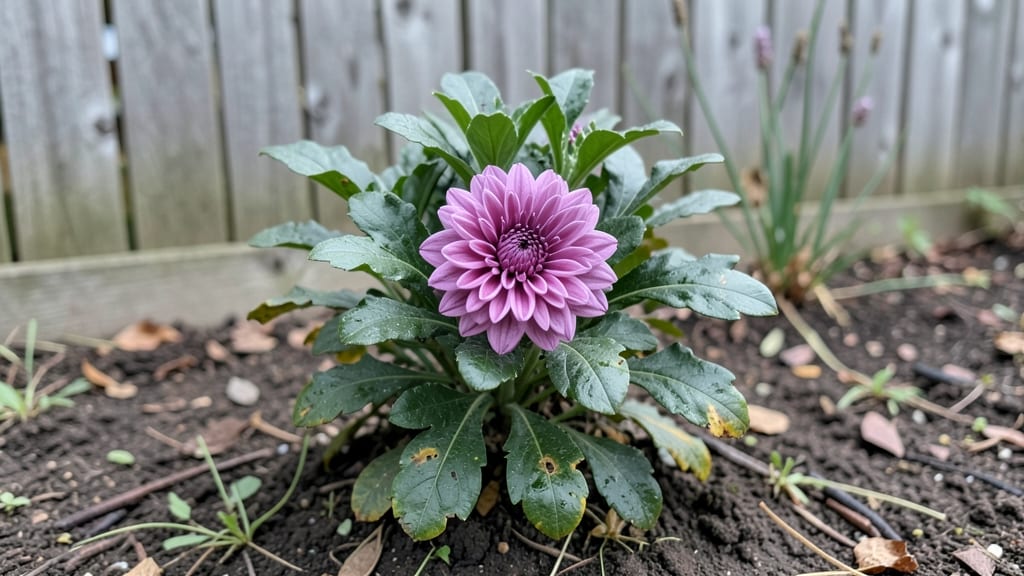
The hardy Sheffield chrysanthemum plant thrives year after year, offering vibrant blooms even as winter’s chill sets in. These tough plants handle frost like a champ—my Zone 4 garden proves it—and reward you with clusters of daisy-like blooms in shades of white, pink, and lavender from late summer through fall.
The secret isn’t just their hardiness, but how they bounce back year after year with almost no fuss.
They’ll thrive in average garden soil as long as it drains well, and they’re happy in full sun to partial shade—ideal for spots where other perennials struggle. Water them once a week once established, and cut back dead foliage in early spring to encourage fresh growth.
The key to their longevity? Pruning spent blooms in fall keeps them tidy and focused on next year’s flowers.
You’ll love how these plants multiply over time, filling in gaps naturally without needing constant division. Even in harsh winters, they return stronger, and their late-season blooms attract pollinators when little else is in flower. The only real challenge? Keeping deer from nibbling—though a simple fence solves that.
Perfect for borders, cottage gardens, or even containers, Sheffield chrysanthemums are the workhorse perennials you never knew you needed. Once planted, they’ll outlast trendy annuals and demand far less attention. Let’s get yours growing strong!
📚 In This Guide
- What you need
- Instructions
- Tips and common mistakes
- Wrapping up and next steps
What you need
- ● Sheffield chrysanthemum plants: 3–5 healthy nursery-grown plants (choose varieties like ‘Sheffield Pink’ or ‘Sheffield White’ for vibrant blooms).
- ● Well-draining potting mix: 10–15 lbs of high-quality peat-free potting soil or garden soil amended with compost (aim for a pH of 6.0–6.5).
- ● Containers or garden bed: For pots: 12–15" diameter containers with drainage holes (1 per plant).
- ● For in-ground planting: A sunny spot with at least 6 hours of light and loose, fertile soil.
- ● Slow-release fertilizer: 1 lb of balanced 10-10-10 or organic fertilizer (like bone meal or worm castings).
- ● Pruning shears: Sharp, clean shears for shaping and deadheading.
- ● Watering can or hose with a gentle spray nozzle: For even moisture without disturbing roots.
- ● Mulch: 2–3 inches of shredded bark or straw to retain moisture and regulate soil temperature.
- ● Plant supports: Small stakes or cages (4–6" tall) for tall varieties like ‘Sheffield Ruby.’
- ● Fungicide: Copper-based spray for prevention of powdery mildew in humid climates.
- ● Grow lights (indoor growers): LED lights with a 12–16 hour photoperiod to extend blooming season.
Instructions for planting and cultivating Sheffield chrysanthemums
Here’s how to establish these cold-hardy beauties for years of vibrant blooms.
Select the Perfect Planting Site
Sheffield chrysanthemums thrive in full sun to partial shade, with at least 6 hours of direct sunlight daily. Choose a location with well-draining soil—these plants despise soggy roots. If your soil is heavy clay, amend it with 2-3 inches of compost mixed into the top 12 inches of soil to improve aeration and moisture retention.
Test your soil’s moisture level by digging a 6-inch hole and filling it with water. If it drains within 30 minutes, your site is ideal. If water pools after an hour, raise the planting area by mounding soil or planting in a slightly elevated bed. These perennials reward proper drainage with stronger stems and larger blooms.
Prepare the Soil and Plant with Precision
Dig a hole twice as wide as the chrysanthemum’s root ball but only as deep as the container’s base. Gently remove the plant from its pot and loosen any circling roots with your fingers—this encourages outward growth. Place the plant in the hole so the top of the root ball sits just below soil level, never buried deeper.
Backfill with native soil mixed with 1 cup of 5-10-5 fertilizer per plant, spreading it evenly around the roots. Press the soil firmly but gently with your hands to eliminate air pockets. Water deeply until moisture reaches 6 inches down, then let the soil settle for 24 hours before additional watering. This initial soaking helps roots establish quickly in cooler climates.
Water and Mulch for Cold-Hardy Success
Keep the soil consistently moist but never waterlogged for the first 4-6 weeks after planting. Aim for 1 inch of water per week, delivered either through rainfall or irrigation. In hotter months, water in the early morning to reduce evaporation and fungal risks. Sheffield chrysanthemums develop deep root systems, so deep, infrequent watering encourages resilience against drought and frost.
Apply a 3-inch layer of mulch (such as shredded bark or straw) around each plant, keeping it 2 inches away from the stem. This conserves moisture, regulates soil temperature, and protects roots during sub-freezing nights. Replenish mulch annually in early spring to maintain its insulating properties.
Prune and Fertilize for Abundant Blooms
Pinch back the tips of new growth in early June to encourage bushier plants. Remove the top 1-2 inches of each stem when you see 4-5 sets of true leaves—this redirects energy from vertical growth to lateral branching. Repeat this process again in mid-July for a fuller, more productive plant. Deadhead spent blooms regularly to prolong flowering and prevent seed formation, which can weaken the plant.
Feed Sheffield chrysanthemums with a balanced 10-10-10 fertilizer every 4-6 weeks from spring through early summer. Switch to a low-nitrogen, high-phosphorus formula (5-10-10) in late summer to promote robust root development and flower production. Always water the soil thoroughly before and after applying fertilizer to prevent root burn.
Prepare for Winter and Encourage Repeat Blooming
In early fall, cut back stems to 4-6 inches above the ground once flowering finishes. This redirects energy to root storage and strengthens next year’s growth. Apply a 4-inch layer of mulch around the base to protect roots during winter. Sheffield chrysanthemums tolerate USDA Zones 5-9, but in colder regions, mound an extra 2 inches of mulch over the crown for added insulation.
In early spring, remove old mulch and fertilize lightly with a slow-release 10-10-10 to kickstart new growth. These perennials often rebloom naturally in fall, but you can extend their season by cutting back stems in mid-summer and applying a light dose of bloom booster (7-9-5). Watch for new shoots emerging from the base—this is your cue that the plant is recovering and preparing for another vibrant display.
Tips & tricks for perfect Sheffield chrysanthemum planting
These cold-hardy perennials reward careful attention to detail—here's how to maximize their potential from day one.
Soil Preparation Secret: The 2-3 inches of compost mixed into the top 12 inches of soil isn't just about drainage—it creates the perfect microbial environment for root development. I always add a handful of worm castings to this mix for extra nutrient density. This step is particularly crucial in clay-heavy soils where Sheffield chrysanthemums often struggle with root suffocation. The 30-minute drainage test is your best indicator of whether you've achieved proper aeration.
Planting Precision: When placing your chrysanthemum in the hole, resist the urge to bury it deeper than the root ball's original level—this creates anaerobic conditions that stunt growth. The 24-hour settling period after planting might seem excessive, but it allows the soil to compact naturally around the roots without disturbing them. I've seen plants with perfect establishment when this step is followed, versus those that struggle with poor root contact.
Watering Strategy: The 4-6 week period of consistent moisture is critical for root establishment, but timing matters just as much. I recommend using a moisture meter to verify when the top 2 inches of soil are dry before watering again—this prevents both underwatering and the root rot that comes from overwatering. Early morning watering isn't just about evaporation; it gives foliage time to dry completely before nightfall, reducing fungal risks.
Pruning Technique: The early June pinch isn't arbitrary—it coincides with the plant's natural growth surge after winter dormancy. When you see 4-5 sets of true leaves, that's your cue that the plant has enough energy reserves to handle the pruning. I always use clean, sharp pruners and make cuts at a 45-degree angle just above a leaf node to encourage robust lateral growth. The mid-July repeat follows the same principle but targets the plant's second growth flush.
Pro Tips for Sheffield Chrysanthemum Plant
- These cold-hardy perennials reward careful attention to detail—here's how to maximize their potential from day one.
- Soil Preparation Secret: The 2-3 inches of compost mixed into the top 12 inches of soil isn't just about drainage—it creates the perfect microbial environment for root development.
- Planting Precision: When placing your chrysanthemum in the hole, resist the urge to bury it deeper than the root ball's original level—this creates anaerobic conditions that stunt growth.
Frequently asked questions
Got questions about growing Sheffield chrysanthemums? You’re not alone! These hardy perennials are stunning, but they do have their quirks—especially in colder climates. Below, we’ve rounded up the most common questions (and answers) to help you grow a thriving garden centerpiece.
How cold can Sheffield chrysanthemums tolerate?
Sheffield chrysanthemums are extremely cold-hardy, surviving temperatures as low as -25°F (-32°C) once established. Young plants may need winter protection (like mulch) in their first year, but mature plants often bounce back after frost. Pro tip: Plant in well-draining soil to prevent root rot in soggy winters!
When is the best time to plant Sheffield chrysanthemums?
For spring planting, aim for early spring (as soon as the ground is workable, around April in most cold climates). Fall planting is also ideal—September to October gives roots time to establish before winter. Avoid planting in extreme heat or late fall when frost is imminent.
How do I encourage bigger, bushier blooms?
Sheffield chrysanthemums thrive with deadheading (removing spent blooms) to redirect energy to new growth. Pinch back stems in early summer to promote branching. Use a balanced fertilizer (10-10-10) every 4-6 weeks during the growing season. Bonus: They love full sun (6+ hours/day) but tolerate partial shade in hotter regions.
What pests or diseases should I watch for?
Common issues include:
- Aphids (sap-sucking insects) – Spray with soapy water or neem oil.
- Powdery mildew (white fungal coating) – Improve airflow and avoid overhead watering.
- Root rot (from overwatering) – Ensure well-draining soil and water only at the base.
Can I grow Sheffield chrysanthemums in containers?
Yes! Choose a large container (at least 12–15 inches wide) with drainage holes. Use a light, airy potting mix and repot every 2–3 years to refresh nutrients. Container-grown plants may need more frequent watering and winter protection (move to a sheltered spot or wrap pots in burlap).
How long does it take for Sheffield chrysanthemums to bloom?
With proper care, you’ll see colorful blooms in late summer to fall (August–October). First-year plants may produce smaller flowers, but they’ll thrive and multiply in subsequent years. Pro tip: For earlier blooms, plant tubers in early spring instead of seeds.
Wrapping up and next steps
Growing a Sheffield chrysanthemum plant is a rewarding way to add vibrant color and resilience to your garden, even in chilly climates! 🌱 These hardy perennials thrive with minimal fuss, offering stunning blooms year after year.
Whether you're a seasoned gardener or just starting, their adaptability makes them a fantastic choice.
Ready to bring these beauties to your yard? Start by selecting a sunny spot, prepping the soil, and planting in early spring or fall. With a little care, you’ll soon enjoy a garden bursting with cheerful chrysanthemums—and maybe even share cuttings with fellow plant lovers! Happy gardening! 🌸