
Plants
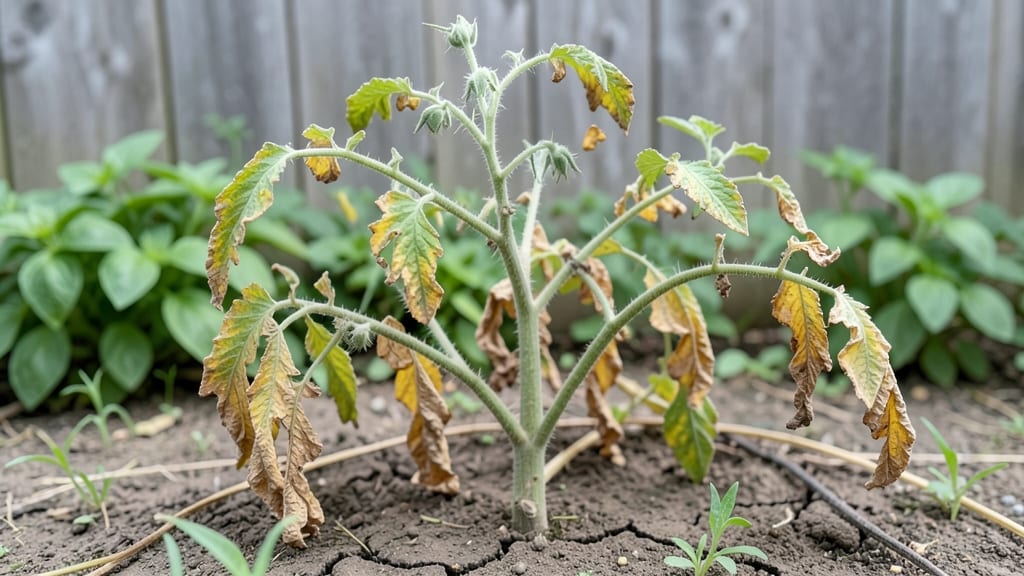
A sad tomato plant can turn around faster than you think—sometimes it’s just a simple fix like water or light. I’ve nursed back more than my share of drooping tomato plants, and the key is always checking three things first: the roots, the leaves, and the soil.
Most gardeners overlook one of these, and that’s what keeps plants struggling.
The first step is easy—stick your finger an inch into the soil. If it’s bone-dry, water deeply until it’s moist 3-4 inches down. If it’s soggy, hold off until the top inch feels dry.
Then inspect the leaves: yellowing usually means overwatering or nutrient burn, while curled edges often signal spider mites hiding on the undersides. A quick spray with water can knock them off.
Once you’ve ruled out water issues, give the plant a boost with a balanced fertilizer—tomatoes are heavy feeders, and a sad plant often just needs a quick nutrient hit.
Prune any blackened or diseased leaves immediately to stop the spread. Within a week, you’ll see new green growth pushing through, and those wilting leaves will perk back up.
This method works for both container and in-ground tomatoes, and it’s the same approach I’ve used to save plants in heatwaves and rainy seasons alike. The secret? Don’t panic—tomatoes are resilient once you address the root cause. Let’s get that plant back to producing.
Root Causes of a Wilted Tomato Plant
A sad tomato plant with drooping leaves or stunted growth is often a cry for help—your plant is telling you something’s off. Understanding the why behind the wilting is the first step to bringing it back to life.
Below, we break down the most common culprits, backed by science, so you can diagnose the issue like a pro and take action fast.
Tomatoes hate soggy roots. When soil stays too wet, oxygen can’t reach the roots, leading to root rot (a fungal infection caused by Phytophthora or Pythium). Signs include:
- Yellowing leaves (especially lower ones)
- Mushy, black stems at the base
- Stunted growth despite frequent watering
Why it happens:
- Compacted or clay-heavy soil traps moisture, suffocating roots.
- Lack of drainage holes in pots forces water to pool.
- Overzealous watering (e.g., daily doses instead of deep, infrequent watering).
Quick fix: Let the top 1–2 inches of soil dry out before watering again. If potted, check for drainage holes and repot if needed.
Tomatoes are thirsty plants, especially in hot weather. Wilting can occur when they don’t get enough water, causing leaves to curl inward (a survival mechanism to reduce water loss). Over time, this leads to:
- Dry, crispy leaf edges
- Premature fruit drop
- Stunted or cracked stems
Why it happens:
- Inconsistent watering (e.g., forgetting during heatwaves).
- Shallow root systems in young plants or poor soil structure.
- High temperatures (above 90°F/32°C) increase evaporation rates.
Quick fix: Water deeply 1–2 times per week (more in extreme heat) and mulch to retain moisture. Morning watering reduces evaporation.
Wilting can also signal a hunger for key nutrients.
Tomatoes are heavy feeders, and deficiencies show up as: - Yellowing between leaf veins (chlorosis) → Iron or magnesium deficiency. - Purple stems/leaves → Phosphorus deficiency (common in cool soil). - Weak, spindly growth → Nitrogen deficiency or lack of potassium.
Why it happens:
- Poor or depleted soil (especially if you’ve grown tomatoes in the same spot yearly).
- Improper fertilizer use (e.g., too much nitrogen = lush leaves but no fruit; too little potassium = weak stems).
- pH imbalances (tomatoes thrive in 6.0–6.8 pH; outside this range, nutrients lock up).
Quick fix: Test your soil and amend with balanced fertilizer (e.g., 10-10-10 or tomato-specific feed). Side-dress with compost mid-season for a slow-release boost.
Hidden invaders can drain your plant’s energy, leading to wilting.
Common culprits: - Aphids, spider mites, or whiteflies suck sap, causing leaves to curl, yellow, or drop. - Fungal diseases like early blight or septoria leaf spot clog stomata (leaf pores), disrupting water uptake. - Root-knot nematodes (microscopic worms) damage roots, reducing water absorption.
Why it happens:
- Stressed plants (from drought, overwatering, or poor soil) are easier targets.
- Humid conditions (ideal for fungal spread).
- Lack of airflow (crowded plants or dense foliage trap moisture).
Quick fix:
- Pests: Spray with neem oil or introduce ladybugs/praying mantises.
- Diseases: Remove infected leaves, space plants for airflow, and apply copper fungicide preventatively.
- Nematodes: Solarize soil in spring or plant marigolds (natural repellents).
Tomatoes are tropical plants—they wilt when stressed by:
- Frost or cold snaps (below 50°F/10°C) → Cell damage in leaves.
- Sudden heatwaves (above 95°F/35°C) → Leaf scorch and poor pollination.
- Too little light (legs growth, weak stems) → Etiolation (stretching toward light).
Why it happens:
- Seasonal shifts (e.g., early spring or late fall planting).
- Indoor growing with insufficient 6–8 hours of sunlight.
- Plastic mulch or black plastic overheating roots in hot climates.
Quick fix:
- Move pots to a sunnier spot or use grow lights indoors.
- Use shade cloth in extreme heat (30–50% coverage).
- Mulch with straw to regulate soil temperature.
Even a rough handling can stress tomatoes. Signs of damage include:
- Torn leaves or stems → Increased water loss.
- Root disturbance during repotting → Delayed recovery.
- Windburn (brown, papery leaf edges) → Cell dehydration.
Why it happens:
- Overcrowding (competition for nutrients/water).
- Poor transplanting technique (e.g., burying stems too deep).
- Mechanical injury (e.g., mowing near plants, harsh pruning).
Quick fix:
- Stake or cage plants early to prevent wind damage.
- Water deeply after transplanting to reduce shock.
- Prune carefully with clean shears (avoid tearing leaves).
Revive Your Tomato Plant Now
A drooping tomato plant can feel like a gardening disaster, but don’t toss it just yet! With the right care, you can bring it back to life—even if it’s looking a little worse for wear.
Below, we’ll tackle the most common causes of a sad tomato plant and give you step-by-step fixes to get it thriving again. Plus, we’ll share some pro tips to keep your plant happy long-term.
Signs: Wilting leaves, dry soil (or soggy, mushy soil), yellowing foliage.
Tomatoes are thirsty but hate soggy roots—finding the sweet spot is key. Here’s how to reset the moisture balance:
- 🔥 Step 1: Check the Soil Stick your finger 1-2 inches deep into the soil. If it’s bone-dry, it’s time to water. If it’s damp or sticky, hold off and let it dry slightly.
- 🍳 Step 2: Water Deeply (Not Just a Sprinkle) Water slowly and deeply at the base of the plant (not the leaves) until it seeps out the bottom of the pot or soil.
This encourages strong roots. Aim for 1-1.5 inches of water per week, adjusting for heat or rain.
- 👨🍳 Step 3: Improve Drainage If your plant’s pot lacks drainage holes, transfer it to a new container with holes. For in-ground plants, mix in perlite or compost to loosen heavy soil.
💡 Prevention Tip: Use a moisture meter or the "squeeze test"—grab a handful of soil; if it crumbles, water is needed. If it sticks together, wait a day.
Signs: Leggy, pale stems (not enough sun) or crispy, brown leaves (too much sun).
Tomatoes love sunlight—6-8 hours daily is ideal. If yours is struggling, adjust its environment:
- 🔥 Step 1: Move It Gradually If your plant is sunburned, shift it to partial shade (morning sun + afternoon shade) for a few days, then slowly reintroduce full sun.
- 🍳 Step 2: Provide Support & Airflow Use a cage or stake to keep leaves off the scorching ground. Prune any leaves shading the fruit to improve airflow.
- 👨🍳 Step 3: Supplement with Grow Lights (If Needed) For indoor or low-light spots, a simple LED grow light (12-16 hours/day) can save your plant.
💡 Prevention Tip: Place your tomato plant where it gets morning sun and afternoon shade in hot climates. Avoid reflective surfaces (like white walls) that can amplify heat.
Signs: Holes in leaves, white webs, black spots, or sticky residue (aphids, spider mites, blight).
Pests and diseases can drain your plant’s energy fast. Act quickly with these fixes:
- 🔥 Step 1: Identify the Problem
- Aphids/Spider Mites? Wipe leaves with soapy water (1 tsp mild soap per quart of water).
- Fungal Issues (Blight)? Remove all infected leaves and spray with a copper fungicide or baking soda mix (1 tsp baking soda + 1 quart water + a drop of soap).
- 🍳 Step 2: Isolate & Treat Move the plant away from others to prevent spreading. For severe infestations, use neem oil (mix 1 tbsp neem oil + 1 tsp soap + 1 quart water; spray every 5-7 days).
- 👨🍳 Step 3: Boost Plant Immunity Feed your tomato with compost tea or fish emulsion to strengthen its defenses.
💡 Prevention Tip: Rotate crops yearly to prevent soil-borne diseases. Water at the base (not overhead) to keep leaves dry and discourage fungus.
Signs: Drooping leaves, slow growth, or fruit that’s small and hard.
Tomatoes thrive in warmth (70-85°F) but hate extremes. Adjust the environment:
- 🔥 Step 1: Shield from Cold Drafts If nights dip below 50°F, cover the plant with a frost blanket or move pots indoors (near a sunny window).
- 🍳 Step 2: Protect from Heatwaves In scorching weather, mulch the soil with straw to retain moisture and provide afternoon shade with a light cloth.
- 👨🍳 Step 3: Avoid Sudden Changes Don’t move your plant from indoors to outdoors (or vice versa) without acclimating it over 3-5 days.
💡 Prevention Tip: Choose heat-tolerant varieties like ‘Solar Fire’ or ‘Heatmaster’ if you live in a hot climate.
Signs: Yellow leaves (nitrogen deficiency), stunted growth, or weak stems.
Tomatoes are heavy feeders—if the soil lacks nutrients, they’ll show it fast.
- 🔥 Step 1: Test Your Soil Grab a DIY soil test kit (or send a sample to a local extension office). Tomatoes prefer slightly acidic soil (6.0-6.8 pH).
- 🍳 Step 2: Amend the Soil Mix in compost or aged manure for organic matter. For quick fixes:
- Yellow leaves? Add nitrogen (fish emulsion or blood meal).
- Weak stems? Boost phosphorus (bone meal) for root strength.
- 👨🍳 Step 3: Fertilize Smartly Use a balanced fertilizer (10-10-10 or 5-5-5) every 2-3 weeks during growing season. Stop fertilizing once flowers appear to encourage fruiting.
💡 Prevention Tip: Side-dress your plants with compost halfway through the season for a nutrient boost without overloading them.
Final Thought: A sad tomato plant is often just a cry for help—whether it’s thirst, sun, pests, or poor soil. By diagnosing the issue and acting fast, you’ll have juicy, vine-ripened tomatoes in no time. Happy growing! 🍅✨
Frequently asked questions
Why are my tomato plant's leaves turning yellow but staying green at the edges?
This classic pattern usually signals overwatering or root rot. When roots suffocate from soggy soil, they can’t absorb nutrients, causing yellowing between veins (chlorosis). Check the soil—if it’s damp more than 1-2 inches down, hold off on watering. For potted plants, ensure drainage holes exist, and consider repotting with fresh, well-draining mix.
Can I still save my tomato plant if the stems feel soft or mushy at the base?
If stems are mushy and black, your plant likely has root rot from overwatering or poor drainage. Trim away all blackened areas with clean shears, then repot in fresh, sterile soil with perlite or sand for better drainage. Reduce watering immediately—let the top 3 inches of soil dry completely between waterings. Recovery is possible but may take 2-3 weeks of strict care.
How do I tell if my wilting tomato plant just needs water or has a pest problem?
Start by checking the soil moisture—stick your finger 2 inches deep. If dry, water deeply until it drains from the bottom. For pests, inspect leaf undersides for tiny webs (spider mites), sticky residue (aphids), or white spots (fungal issues). If leaves are curled or speckled, spray with neem oil or soapy water before watering. Pests often appear after stress (like drought), so address both.
Will pruning help a struggling tomato plant recover faster?
Pruning can actually speed up recovery by redirecting energy to healthy growth. Remove yellow, black, or diseased leaves immediately, and trim back overly leggy stems to encourage bushier growth. For severely stressed plants, cut back 25-30% of foliage to reduce water loss. Avoid pruning during flowering/fruiting unless absolutely necessary—focus on removing only the worst-affected leaves first.
Is it too late to revive my tomato plant if it’s already flowering but wilting?
Not necessarily! Wilting at flowering stage often means nutrient deficiency or water stress. First, water deeply and fertilize with a balanced tomato feed (like 5-5-5). If flowers are dropping, the plant may need phosphorus—try a side-dressing of bone meal. For heat stress, provide afternoon shade and mulch heavily. With prompt care, many plants bounce back and still produce fruit within 2-3 weeks.