Watering
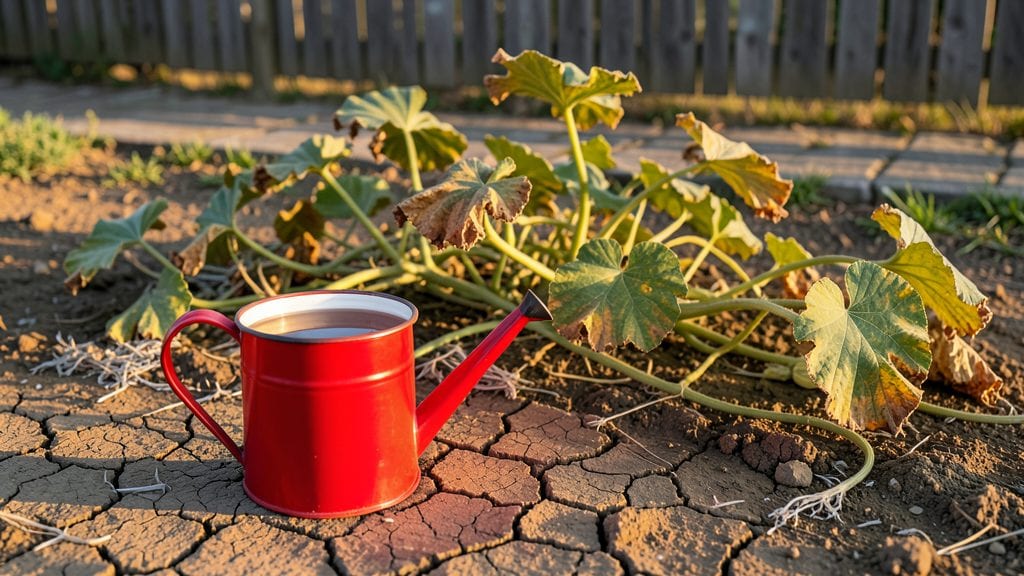
An underwatered pumpkin plant can turn from vibrant to wilted in days—here’s how to revive it before the vines give up for good. 🌱 I’ve watched my own pumpkin plants go from lush and green to sad, droopy messes in just a few hot afternoons, and the good news is that with the right watering fix, you can often revive them in 24 hours.
The first sign of underwatering is leaves that curl at the edges or feel crispy when you touch them—almost like they’ve been left in the oven too long.
Pumpkins need 1-2 inches of water per week, but sandy soil drains fast, and clay holds too much moisture, so checking with your finger is key. If the top inch is dry, it’s time to water deeply.
Drench the soil around the base until water runs out the drainage holes, and repeat every 2-3 days until the vines perk up. Mulch helps too—it keeps moisture locked in and roots cool.
Within a day, you’ll see the wilting slow, and in 24-48 hours, those vines should be standing tall again, ready to grow.
Once they’re back, adjust your routine: water in the early morning to prevent fungal issues, and avoid wetting the leaves. Pumpkins are thirsty but hate soggy roots—balance is everything. Now, let’s get those vines hydrated and growing!
Root Causes Of Thirsty Vines
When your pumpkin plant starts wilting, drooping, or showing signs of distress, it’s often a cry for help—specifically, a plea for consistent moisture. But why does this happen? Pumpkin plants, like all vining cucurbits, have specific water needs tied to their biology, environment, and even soil conditions.
Let’s break down the key reasons your plant might be underwatered—and how to fix them before it’s too late.
Pumpkins are heavy drinkers, especially during their rapid growth phase (4–8 weeks after planting) and when vines sprawl aggressively. Their large leaves and sprawling habit transpire (release moisture) at an astonishing rate—up to 1–2 gallons per plant per day in hot, dry conditions.
- Why it happens: Skipping watering sessions or relying on infrequent deep soaks leaves roots scrambling for moisture. Shallow watering encourages roots to stay near the surface, where they dry out faster.
- Science behind it: Pumpkin roots extend 2–3 feet deep in optimal conditions, but if the top 6 inches of soil stay dry, roots can’t reach the moisture they need. This triggers osmotic stress, causing cells to lose turgor (firmness) and wilting.
- Actionable fix:
- Water early morning (6–8 AM) to reduce evaporation.
- Use the "finger test": Stick your finger 2 inches into the soil—if it’s dry, water until moisture reaches 6 inches deep.
- Avoid light misting; aim for slow, deep watering (10–15 minutes per plant).
Not all soil is created equal. Sandy or loamy soils drain like a sieve, flushing water away before roots can absorb it. If your pumpkin’s leaves look crispy at the edges but the soil feels damp, your soil might be too porous.
- Why it happens: Water runs through fast-draining soil within minutes, leaving roots thirsty. Clay soil, on the other hand, can hold too much water, but if it’s cracked or hydrophobic (water-repellent), it fails to retain moisture efficiently.
- Science behind it: Pumpkin roots need aerated but moisture-retentive soil. Sandy soil has low capillary action (water can’t travel upward to roots), while compacted clay suffocates roots, reducing their ability to absorb water.
- Actionable fix:
- Amend soil with 2–3 inches of compost or aged manure to improve water retention.
- Use mulch (straw or wood chips) to slow evaporation and keep roots cool.
- For sandy soil: Mix in peat moss or coconut coir to boost moisture retention.
Pumpkins thrive in full sun (6–8 hours daily), but when temperatures soar above 90°F (32°C), they lose water faster than they can drink. Heat + wind = a double whammy of moisture loss.
- Why it happens: High temperatures increase transpiration rates by up to 30–50%. If your plant isn’t getting enough water to compensate, leaves curl and wilt as a survival mechanism to reduce water loss.
- Science behind it: Stomata (tiny leaf pores) open to absorb CO₂ but close under stress, halting photosynthesis. This causes wilting even if soil moisture is adequate below the surface.
- Actionable fix:
- Water more frequently during heatwaves (every 1–2 days instead of every 3).
- Provide shade cloth (30–50% coverage) during peak afternoon sun.
- Avoid watering at noon—opt for drip irrigation to deliver water directly to roots.
If your pumpkin patch is exposed to strong winds, moisture evaporates from leaves before it reaches the roots. This is especially damaging for young, tender vines.
- Why it happens: Wind increases evaporative loss by disrupting the boundary layer of humid air around leaves. Without this protective layer, water escapes 3–5x faster.
- Science behind it: Leaves lose water through transpiration, but wind accelerates this process by removing the humid air layer. Roots can’t keep up, leading to hydraulic failure in leaf cells.
- Actionable fix:
- Plant pumpkins near a windbreak (tall plants, fence, or berm).
- Use wind barriers (burlap or mesh) if relocating isn’t an option.
- Water in the evening to reduce daytime evaporation.
A weak root system can’t absorb water efficiently, even if you’re watering correctly. This often happens with transplanted seedlings, nutrient-deficient soil, or overcrowded plants.
- Why it happens: Pumpkin roots need 2–3 weeks to establish after transplanting. If stressed by root damage, poor soil, or competition, they can’t support the plant’s water needs.
- Science behind it: Roots produce root hairs that absorb water, but if they’re stunted or damaged (from transplant shock or compaction), the plant’s hydraulic conductivity drops.
- Actionable fix:
- Transplant seedlings only when soil is warm (60°F+) and roots are well-developed.
- Space plants 3–5 feet apart to reduce root competition.
- Fertilize with phosphorus-rich compost to encourage root growth.
💡 Pro Tip: If your pumpkin plant is already wilting, don’t panic—most can recover in 24 hours with proper care. The key is consistency: deep, frequent watering beats shallow, sporadic soaks every time.
Quick Fixes for Thirsty Pumpkin Plants
Reviving an underwatered pumpkin plant starts with fast, targeted action—but the right solution depends on why it’s struggling. Below, we’ll break down the most common causes and the exact steps to nurse your vines back to health, plus prevention tips to keep them thriving long-term.
Signs: Drooping leaves, dry soil 1–2 inches deep, crispy edges on older foliage.
How to Fix It:
- 🚰 Deep Water Immediately
- Stick your finger 2–3 inches into the soil—if it’s bone-dry, grab a gallon jug or hose with a gentle spray nozzle and water until moisture seeps 6+ inches down. Pumpkins need 1–2 inches of water per week (more in heatwaves).
- Pro Tip: Morning watering (before 10 AM) reduces evaporation and fungal risks. 🌞
- 🌱 Mulch Like a Pro
- Spread 2–3 inches of straw, wood chips, or grass clippings around the base (but not touching the stem). This locks in moisture and cools roots.
- Bonus: Mulch also deters weeds that steal water from your pumpkins!
- 🔄 Adjust Your Routine
- Drip irrigation or soaker hoses (placed near roots) deliver water slowly and evenly—better than surface watering.
- For container growers: Ensure pots have drainage holes and water every 2–3 days in summer.
Prevent Relapse:
- Set a weekly reminder (your phone’s alarm works!) to check soil moisture.
- Group pumpkins with other thirsty plants (like tomatoes or cucumbers) to streamline watering.
Signs: Wilting even after watering, soil feels hot to the touch, yellowing leaves.
How to Fix It:
- 🌿 Shade Relief (Temporary Fix)
- If temps hit 90°F+, drape floating row covers or a lightweight shade cloth (30–50%) over plants for 2–4 hours/day. Remove in the evening for airflow.
- Quick Hack: Use white plastic milk jugs (cut in half) as mini shade tents for seedlings.
- ❄️ Cool the Roots
- Soak the soil with lukewarm water (not cold) to avoid shocking roots.
- Avoid overhead watering in peak sun—it burns leaves and wastes H₂O.
- 🌱 Boost Soil Moisture Retention
- Mix 1 part compost into the top 6 inches of soil to improve water absorption.
- Add hydrogel crystals (soak in water, then sprinkle near roots) for extra hydration in extreme heat.
Prevent Future Stress:
- Plant in late spring (after soil warms to 60°F+) to avoid early-season heat.
- Choose heat-tolerant varieties like ‘Howden’ or ‘Cinderella’ if you live in a hot climate.
Signs: Roots circling the pot, soil repels water like a sponge, slow recovery after watering.
How to Fix It:
- 🔄 Repot (For Containers)
- Gently remove the plant and loosen roots with your hands. Repot in a larger container (2–3 gallons) with fresh well-draining potting mix (50% compost, 50% perlite/sand).
- Pro Tip: Trim any black or mushy roots with sterilized scissors before replanting.
- 💥 Break Up Compacted Soil (In-Ground)
- Use a garden fork to poke holes 12 inches deep around the plant’s drip line. This helps water penetrate.
- Amend the soil with sand or coconut coir to improve drainage.
- 🌧️ Water in Layers
- Instead of one big soak, water lightly every 2 hours for 4 hours to encourage roots to spread deeper.
Prevent Future Issues:
- Test your soil (a $10 kit from a garden center works) to check drainage. Aim for clay-loam texture.
- Avoid walking on garden beds—compacted soil = stressed roots.
Signs: Chewed leaves, sticky residue (aphids), or fungal spots (powdery mildew).
How to Fix It:
- 🐜 Treat Pests Fast
- Neem oil spray (1 tsp neem oil + 1 tsp mild soap + 1 quart water) tackles aphids, squash bugs, and mites. Spray early morning or evening.
- Alternative: Diatomaceous earth (food-grade) around the base deters crawling pests.
- 🍄 Fight Fungal Issues
- Baking soda spray (1 tsp baking soda + 1 quart water + few drops of soap) controls powdery mildew. Spray every 7–10 days.
- Space plants 3–4 feet apart for airflow—fungi thrive in humidity.
- 💪 Strengthen the Plant
- Feed with balanced fertilizer (10-10-10) or compost tea to boost recovery. Avoid nitrogen-heavy feeds—they promote leafy growth over roots.
Prevent Recurrence:
- Rotate crops yearly to avoid soil-borne diseases.
- Water at the base (not leaves) to reduce fungal spores.
If your pumpkin is critically wilted, follow this emergency protocol:
- 🌊 Step 1: Water deeply until runoff appears (but don’t let it pool).
- 🌿 Step 2: Trim any brown, crispy leaves with clean shears.
- 🌡️ Step 3: Move to partial shade (under a tree or patio cover) for 24 hours.
- 💊 Step 4: Spritz leaves with water + neem oil (prevents stress-related pests).
- ⏳ Step 5: Monitor for 24–48 hours. If leaves perk up, resume normal care.
When to Hope vs. When to Let Go:
- Good Sign: Leaves plump within 6 hours of watering.
- Bad Sign: Black stems or no response after 48 hours = plant is beyond saving. Pull it and compost it to avoid spreading disease.
Frequently asked questions
How often should I water my pumpkin plants to prevent wilting?
Pumpkins need 1-2 inches of water per week, but check soil moisture first. Stick your finger 2 inches deep—if dry, water deeply until moisture reaches 6 inches down. In extreme heat, water every 2-3 days in the early morning to reduce evaporation.
Why do my pumpkin leaves look crispy at the edges even after watering?
Crispy edges often mean underwatering or heat stress. Check if your soil drains too quickly (sandy soil) or if roots can't absorb water fast enough. Try mulching with straw and watering slowly at the base instead of overhead. If leaves stay crispy, your plant may need shade during peak sun.
Can I revive a pumpkin plant that’s been underwatered for a week?
With immediate action, many plants recover in 24-48 hours. Start by deep-watering until runoff appears, then move to partial shade. Trim any brown leaves and monitor for improvement. If stems turn black or leaves stay wilted after 48 hours, the plant may be beyond saving.
What’s the best time of day to water pumpkins?
Water in the early morning (6-8 AM) to minimize evaporation and fungal risks. Avoid watering at noon when heat accelerates moisture loss. If you must water in the evening, ensure leaves dry completely before nightfall to prevent disease.
How do I know if my pumpkin plant is underwatered vs. diseased?
Underwatered plants have wilting leaves that perk up after watering, while diseased plants show yellowing, spots, or mold that doesn’t improve. Check soil moisture first—if dry, water deeply. If symptoms persist, inspect leaves for pests or fungal growth and treat accordingly.