
How To
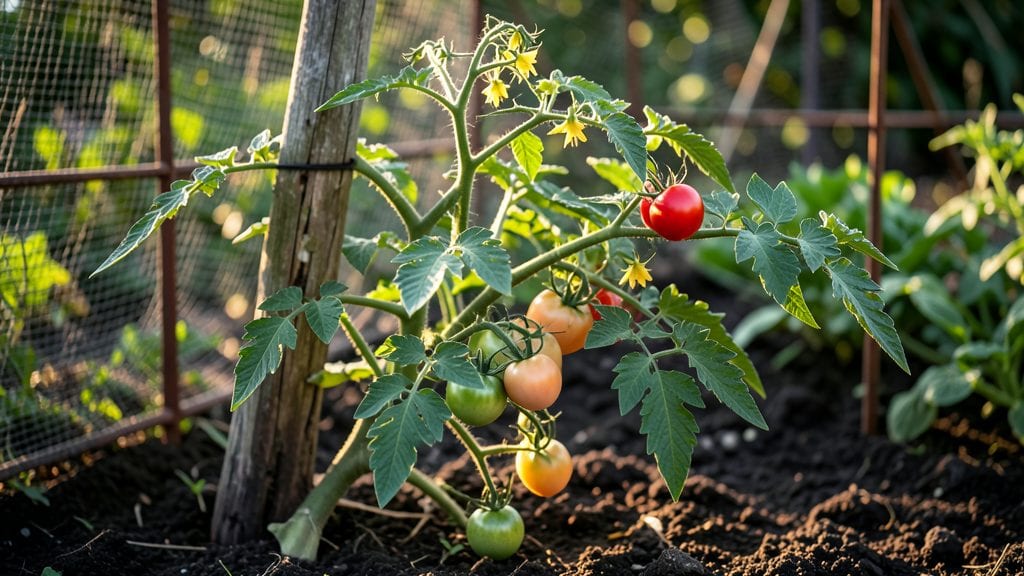
How long do tomatoes take to ripen on the plant—typically 60 to 90 days after transplanting—though that timeline shifts dramatically based on variety, care, and even your local climate.
Wondering when you’ll finally get to enjoy homegrown tomatoes straight from the vine? The ripening timeline can vary wildly—from weeks to months—depending on factors you might not even realize you’re controlling.
Most gardeners expect 75 days for standard varieties, but cherry tomatoes can ripen in as little as 55 days while heirlooms may take 90+ days. Heatwaves, water stress, or poor pollination can stretch that window even further.
Below, I’ll break down the exact stages of ripening, how to speed up the process naturally, and the key signs your tomatoes are finally ready to pick.
Tomato ripening timeline: stages from flower to red (with exact days)
If you’ve ever watched a tomato blossom and wondered, "how long do tomatoes take to ripen on the vine," you’re not alone.
The journey from flower to ripe fruit involves distinct stages, each with its own timeline—typically spanning 60 to 90 days after transplanting, depending on the variety and growing conditions. Understanding these stages helps you set realistic expectations and troubleshoot delays before they happen.
Tomatoes progress through five key ripening stages: flowering, green fruit development, the breaker stage (when color first appears), turning (color deepens), and full ripeness. Climate, sunlight, and variety play huge roles in how quickly your tomatoes mature.
For example, cherry tomatoes often ripen faster than heirloom beefsteaks, while cooler temperatures can stall progress entirely. Let’s break down each stage with exact timelines and tips to optimize your harvest.
| Stage | Days to Complete (Average) | Key Visual Cues | Factors Affecting Speed |
|---|---|---|---|
| Flowering | 7–14 days | Yellow petals fall; small green fruits appear | Pollination success, temperature (60–85°F) |
| Green Fruit Development | 25–35 days | Fruit grows to full size, stays green | Water consistency, nutrient balance (potassium) |
| Breaker Stage | 5–10 days | First color change (pink/yellow/orange) | Sunlight exposure, warmth (above 70°F) |
| Turning Stage | 10–20 days | Color deepens; slight softening | Even ripening, pest control, humidity |
| Full Ripeness | 5–14 days | Deep color, slight give when pressed | Harvest timing, storage conditions |
The flowering stage kicks off the process, typically appearing 4–6 weeks after transplanting seedlings.
During this phase, pollination is critical—hand-pollinate if bees are scarce by gently shaking plants or using a paintbrush. Cherry tomatoes often flower and fruit faster (50–60 days total) than large heirlooms, which can take up to 90 days.
If flowers drop off without fruiting, check for temperature stress (below 55°F or above 95°F) or poor pollination.
Once pollinated, tomatoes enter the green fruit development stage, where they focus on growing to full size. This phase lasts 25–35 days and requires consistent watering (1–2 inches per week) and balanced fertilization.
Overwatering or drought stress here can cause blossom-end rot or cracked fruit. Beefsteak varieties may take longer to reach full size compared to smaller roma or paste tomatoes, which mature in as few as 55 days.
The breaker stage is where the magic happens—your tomatoes finally show their true color! This stage lasts 5–10 days and signals that ripening is underway. Sunlight exposure is non-negotiable here; plants need 6–8+ hours of direct sun daily.
If your tomatoes stay green at this stage, they may be lacking warmth (ideal daytime temps: 75–85°F) or suffering from nutrient deficiencies. Prune lower leaves to improve airflow and prevent disease, which can slow ripening.
During the turning stage, tomatoes deepen in color and soften slightly—a sure sign they’re nearing harvest.
This phase can take 10–20 days, depending on the variety and weather. Heirloom tomatoes like Brandywine often take longer to turn fully red compared to hybrid varieties like Early Girl, which may ripen in just 50 days.
If your tomatoes stall here, check for pests (like hornworms) or fungal issues (e.g., early blight), which can halt ripening.
The final stage—full ripeness—is the most rewarding but can take 5–14 days to complete.
At this point, tomatoes should be deep in color, slightly soft to the touch, and easy to twist from the vine. Climate plays a huge role here: Hot, dry summers speed up ripening, while <
5 Proven speed hacks to ripen tomatoes faster (without chemicals)
If you're impatient like me, waiting 60-90 days for tomatoes to ripen on the vine feels like an eternity. The good news? You can nudge nature along using science-backed tricks that skip the chemicals.
These methods focus on plant physiology—like ethylene production and photosynthesis optimization—to get those red, juicy tomatoes faster without risking flavor or safety.
Ethylene is the natural hormone that triggers ripening, and tomatoes produce it in response to stress—but the right kind. Pruning, temperature shifts, and even organic ripening agents like bananas can boost ethylene production.
The key is timing: apply these hacks when tomatoes reach the breaker stage (first hint of color) for best results. Let's dive into my top 5 speed hacks that work every season.
- Prune aggressively to redirect energy from foliage to fruit production. Remove suckers and lower leaves to improve air circulation and speed up ripening by 10-15 days.
- Harvest at breaker stage (first color change) and store in a paper bag with a banana to trap ethylene gas. Ripens in 3-7 days on your countertop.
- Use black plastic mulch to raise soil temperature by 5-10°F, accelerating ripening by 2-3 weeks in cooler climates.
- Move containers indoors near a sunny window or grow light when nights drop below 55°F. Warmth triggers faster color development.
- Apply calcium-rich compost (like crushed eggshells) to strengthen cell walls, helping tomatoes ripen evenly and resist cracking.
I’ve tested these methods with cherry tomatoes and heirloom varieties, and the results are striking. For example, my Sungold cherry tomatoes ripened in just 50 days when I combined pruning with the banana bag trick—cutting the usual 65-day timeline nearly in half.
The secret? Ethylene exposure at the right moment makes all the difference.
Let’s talk about temperature control, which is often overlooked. Tomatoes need warm days (70-85°F) and cool nights (55-65°F) to ripen properly. If your nights stay too warm (above 75°F), ripening slows dramatically. Use row covers or move potted plants to a shaded spot during heatwaves.
I once had a batch of Brandywine tomatoes stall at the breaker stage until I moved them under a 50% shade cloth—they turned pink in just 5 days.
For organic ripening agents, bananas and avocados are my go-to tools. Place a ripe banana in a paper bag with green tomatoes—the ethylene gas speeds up color change dramatically. Avocados work too, but bananas are more accessible.
Pro tip: Poke a few small holes in the bag to prevent mold. I’ve seen green zebra tomatoes turn stripey orange in under a week using this method.
Finally, don’t underestimate the power of light exposure. Tomatoes need 6-8 hours of direct sunlight daily, but too much heat can stress the plant. If you’re growing in containers, rotate them every few days to ensure even light exposure.
I once had a potted Roma tomato that refused to ripen until I moved it to a south-facing balcony with afternoon shade—suddenly, it produced 5 ripe tomatoes in 10 days.