
Pests and Diseases
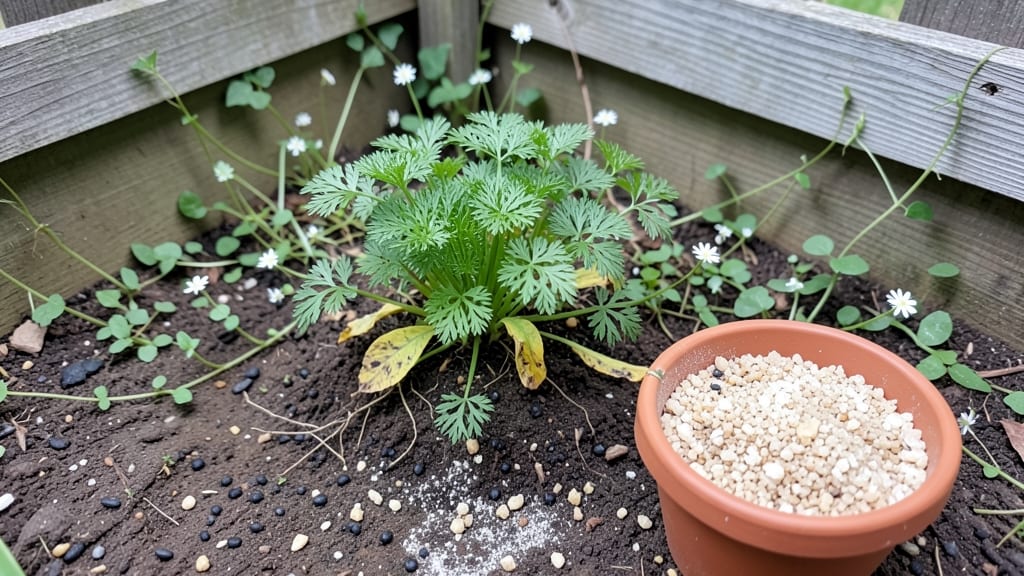
Using Roundup for plants requires precise application to avoid harming desired foliage, as its active ingredient (glyphosate) targets broadleaf plants and grasses. Apply only to weeds, not soil or crops, and choose targeted formulas like vinegar-based alternatives for edible gardens or organic methods for sensitive areas.
Glyphosate in Roundup disrupts a specific enzyme in plants called EPSP synthase, which is crucial for protein production—basically starving weeds at a cellular level. 🌱 The problem?
This same pathway exists in many edible plants like tomatoes, beans, and citrus trees, making accidental drift or soil contamination a real risk. Even a tiny residue can stunt growth or leave bitter flavors in produce, so I always recommend spot-treating weeds with a shield around desirable plants.
For edible gardens, I’ve had the best luck with vinegar-based sprays (3% acetic acid) or manual removal—though they require more elbow grease. The key is timing: apply herbicides on calm days to prevent drift, and always water plants thoroughly afterward to dilute any potential runoff.
Organic options like corn gluten meal work well for pre-emergent weed control but won’t kill established weeds like glyphosate does.
💡 In This Article
- How Glyphosate Works in Roundup and Plant Toxicity Risks
- Safer Roundup Alternatives for Garden Weed Control
How glyphosate works in Roundup and plant toxicity risks
Glyphosate, the active ingredient in Roundup, targets a specific enzyme called EPSP synthase in plants. This enzyme plays a critical role in the shikimic acid pathway, which plants use to produce essential amino acids like phenylalanine, tyrosine, and tryptophan.
When glyphosate binds to EPSP synthase, it blocks the pathway, halting protein synthesis and ultimately killing the plant within days. 🌱 The mechanism is so precise that it affects only plants and certain bacteria—not animals or humans, which lack this pathway.
The real danger lies in glyphosate's broad-spectrum nature. It targets dicotyledonous plants (dicots), which include most broadleaf weeds, vegetables (tomatoes, beans, peppers), and ornamental flowers, as well as monocotyledonous plants (monocots) like grasses and grains.
Even a 0.1% drift of glyphosate spray can damage nearby crops, causing stunted growth or deformities. For example, tomatoes exposed to glyphosate may develop twisted stems or bitter-tasting fruit, while beans often exhibit yellowing leaves and reduced yields.
Soil persistence is another critical factor. Glyphosate can linger in the soil for 6 months to 3 years, depending on conditions like moisture and organic matter. Rainfall can leach it deeper into the soil, where it may affect subsequent plantings.
This is why many gardeners avoid glyphosate near edible crops or use organic mulches to block weed growth naturally. The half-life of glyphosate in soil ranges from 30 to 150 days, meaning it’s not a quick fix for long-term weed management.
Here’s what you need to know about plant vulnerability: Legumes (beans, peas), nightshades (tomatoes, potatoes), and brassicas (cabbage, broccoli) are particularly sensitive due to their reliance on the shikimic acid pathway. Even ornamental plants like roses or hydrangeas can suffer from glyphosate exposure, showing symptoms like leaf curl or dieback.
The key is to apply glyphosate only to weeds, using a shield or barrier around desirable plants to prevent accidental drift.
For edible gardens, consider the AMPA metabolite, a breakdown product of glyphosate that can persist longer in soil. Studies show AMPA levels may remain detectable for up to 1 year after application, further emphasizing the need for caution.
To minimize risks, I recommend using glyphosate only in late summer or fall, when most edible crops are harvested, and avoiding application near irrigation systems that could spread residue.
If you’re dealing with weeds in vegetable beds, targeted alternatives like vinegar-based sprays (20-30% acetic acid) or manual removal are safer choices. These methods kill weeds on contact without lingering in the soil, making them ideal for organic gardens.
Always wear gloves and protective gear when handling glyphosate, and follow label instructions to the letter—overapplication doesn’t improve effectiveness and only increases risks. 💫