
Companion Plants
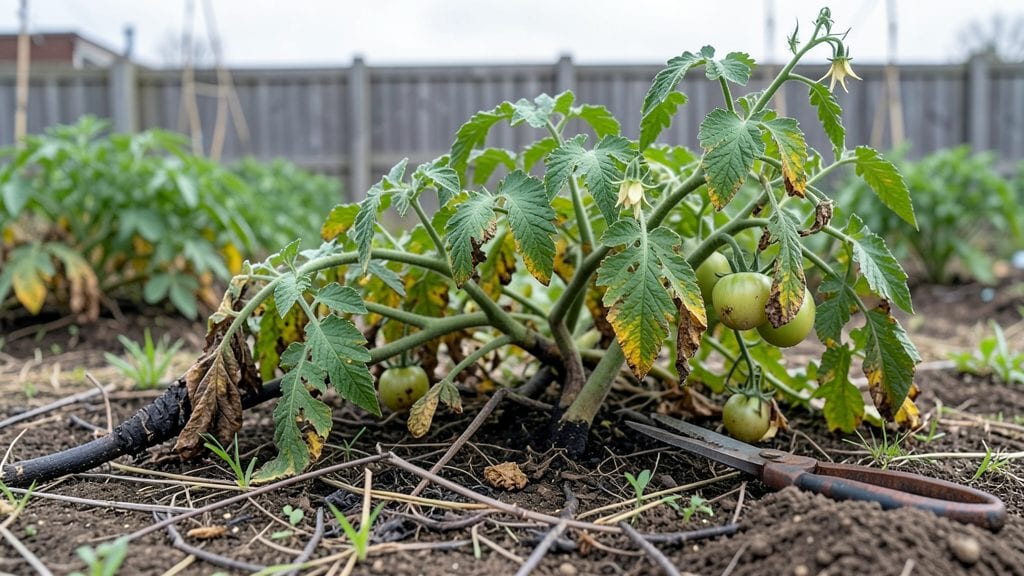
Your tomato plants aren’t just wilting—they’re turning into a sad, mushy mess, and I’ve been there. 🌱 The first time I saw my prized heirlooms rotting at the stem, I thought I’d lost everything.
But there’s always a fix, and it starts with identifying whether you’re dealing with fungal spots, bacterial rot, or just overwatering your plants into submission.
The good news? Most rotting tomato problems have the same solution: better airflow, smarter watering, and a few organic sprays that work faster than store-bought chemicals. I’ve saved plants from total collapse using copper fungicide, neem oil, and even a simple baking soda mix—no fancy equipment needed.
The key is acting fast before the disease spreads to the fruit.
By the end of this, you’ll know exactly what’s killing your plants and how to stop it. We’re talking crisp, green leaves again in just a few days if you catch it early. The best part? These fixes work for your garden’s long-term health, not just a quick patch.
Whether it’s early blight on the lower leaves or soft rot at the stem, the same principles apply. Let’s turn that sad pile of mush back into a thriving tomato plant—no green thumb required, just persistence.
Root Causes Of Plant Decay
When your tomato plants start looking sad—yellowing leaves, mushy stems, or blackened patches—it’s often a sign of rot. But before you panic, let’s break down the real culprits behind this common (and frustrating) issue.
Understanding the root causes helps you tackle the problem with precision, whether it’s a fungal infection, environmental stress, or poor growing conditions.
Fungi thrive in damp, warm conditions, making them the #1 enemy of healthy tomato plants. Here’s how they strike:
- Early Blight (Alternaria solani)
- How it happens: Spores land on lower leaves, creating small brown spots with concentric rings. As it spreads, stems weaken, and fruit rots prematurely.
- Why it’s worse: Fungal spores survive in soil and plant debris year-round. Overhead watering splashes them onto leaves, giving them easy access.
- Actionable fix: Remove infected leaves immediately and space plants for airflow. Copper-based fungicides (like Bordeaux mixture) are organic powerhouses against early blight.
- Late Blight (Phytophthora infestans)
- How it happens: This aggressive fungus causes greasy-looking, dark lesions on leaves and stems. It spreads rapidly in humid weather (think >75°F and high moisture).
- Why it’s worse: It can destroy an entire plant in days. Infected tubers or nearby weeds (like nightshade) can reintroduce it season after season.
- Actionable fix: Prevent with serpentine copper spray or neem oil. If caught early, prune infected foliage 12+ inches below the lesion to stop spread.
- Root Rot (Phytophthora, Pythium, or Fusarium)
- How it happens: Overwatered or poorly drained soil creates anaerobic conditions, where these fungi feast on roots. Stems turn black at the base, and the plant topples over.
- Why it’s worse: Once roots rot, the plant can’t absorb water or nutrients—even if the soil looks moist.
- Actionable fix: Drainage is key: Add compost or perlite to heavy soil. For infected plants, solarize the soil (cover with clear plastic for 4–6 weeks) to kill fungal spores.
Tomatoes are thirsty but hate soggy feet. Water-related rot stems from two extremes:
- Overwatering & Poor Drainage
- How it happens: Compacted or clay-heavy soil traps water, suffocating roots. Symptoms include yellowing leaves, wilting despite wet soil, and a foul smell at the base.
- Why it’s worse: Roots rot quickly in waterlogged conditions, and fungal pathogens move in for the kill.
- Actionable fix: -
- ✅ Test your soil: Stick a screwdriver in after watering. If it slides in easily, drainage is poor.
- ✅ Raise beds: Use containers or mounded soil to improve airflow.
- ✅ Water deeply but infrequently: Aim for 1–1.5 inches per week (more in heat). Use drip irrigation to keep foliage dry.
- Underwatering & Osmotic Stress
- How it happens: While less common, chronic underwatering causes blossom-end rot (black, leathery spots on fruit) due to calcium uptake issues. Leaves may also curl and crisp at the edges.
- Why it’s worse: Stress weakens the plant, making it vulnerable to secondary infections.
- Actionable fix: -
- ✅ Mulch heavily: Straw or wood chips retain moisture and regulate soil temp.
- ✅ Fertilize with calcium: Use crushed eggshells or calcium nitrate every 2–3 weeks.
- ✅ Avoid salt buildup: Over-fertilizing with synthetic salts can burn roots—stick to organic amendments.
Tomatoes are tropical plants at heart but can’t handle extreme conditions. When temps swing wildly, rot becomes a secondary problem:
- Extreme Heat & Sun Scorch
- How it happens: Temperatures above 90°F cause leaves to yellow and crisp (sunburn). Weakened plants invite fungal infections like early blight.
- Why it’s worse: Heat stress halts photosynthesis, starving the plant of energy to fight disease.
- Actionable fix: -
- ✅ Shade cloth: Use 30–50% shade during peak afternoon sun.
- ✅ Reflective mulch: White plastic or aluminum foil deflects heat.
- ✅ Evening watering: Cools leaves and reduces evaporation.
- Cold & Frost Damage
- How it happens: Temps below 50°F stunt growth, and frost blackens leaves. Damaged tissue becomes entry points for rot-causing pathogens.
- Why it’s worse: Cold slows nutrient uptake, leaving plants defenseless.
- Actionable fix: -
- ✅ Row covers: Lightweight fabric protects young plants.
- ✅ Choose cold-tolerant varieties: ‘Mountain Merit’ or ‘Stupice’ handle cooler climates better.
- ✅ Avoid nighttime watering: Wet leaves freeze faster.
Healthy soil = healthy plants. If your growing medium is lacking, rot follows:
- Compacted or Nutrient-Poor Soil
- How it happens: Dense soil restricts root growth, while low organic matter reduces microbial activity. Roots suffocate, leading to rot.
- Why it’s worse: Weak roots can’t support the plant, and fungal pathogens thrive in stagnant conditions.
- Actionable fix: -
- ✅ Amend with compost: Aim for 2–3 inches mixed into the top 12 inches of soil.
- ✅ Add biochar or perlite: Improves drainage and aeration.
- ✅ Test pH: Tomatoes prefer 6.0–6.8. Adjust with lime (to raise) or sulfur (to lower).
- Chemical Imbalances (Salt, Toxins, or Over-Fertilizing)
- How it happens: Synthetic fertilizers, pesticides, or even tap water with high chlorine/sodium can burn roots over time.
- Why it’s worse: Chemical stress weakens the plant’s immune system, making it susceptible to rot.
- Actionable fix: -
- ✅ Flush soil: Water heavily to leach out excess salts (especially in containers).
- ✅ Use organic fertilizers: Compost tea, fish emulsion, or worm castings feed soil microbes.
- ✅ Avoid fresh manure: It can burn roots—compost it first for 3+ months.
Revive Your Tomatoes Naturally
Rotting tomato plants can feel like a gardener’s worst nightmare, but the good news is that most issues have simple, organic fixes. Whether your leaves are wilting, turning brown, or covered in unsightly spots, the key is identifying the root cause and acting fast.
Below, we’ve mapped out practical solutions for common problems—plus prevention tips to keep your plants thriving.
Signs: Yellowing leaves, mushy stems, or roots that smell foul.
How to Fix It:
- 🔥 Stop Watering Immediately – Let the soil dry out completely before watering again.
- 🍳 Improve Drainage – Mix in perlite or compost to aerate heavy soil, or repot into a container with drainage holes.
- 👨🍳 Prune Damaged Areas – Snip off blackened or rotting stems with sterilized scissors to prevent spread.
- ⏰ Adjust Your Watering Schedule – Water deeply 2-3 times per week (morning is best) and avoid soggy soil.
Prevention Tips: ✨ Test your soil – A moisture meter helps track when to water. 🌡️ Use raised beds if your garden stays waterlogged. 🎯 Mulch with straw to retain moisture without suffocating roots.
Signs: Brown spots, white fuzz, or leaf curling—often starting at the bottom.
How to Fix It:
- 🔥 Remove Infected Leaves – Toss them in the trash (not compost!) to stop spores from spreading.
- 🍳 Spray with Organic Fungicide – Mix 1 tsp baking soda + 1 quart water + a drop of dish soap (spray every 7-10 days).
- 👨🍳 Boost Airflow – Space plants 18-24 inches apart and prune crowded foliage.
- ⏰ Water at the Base – Avoid wetting leaves to prevent fungal growth.
Prevention Tips: 💡 Rotate crops – Don’t plant tomatoes in the same spot yearly. 🔥 Use copper fungicide as a preventive spray before symptoms appear. 🌿 Plant companion herbs like basil or marigolds to deter fungi.
Signs: Sticky residue, chewed leaves, or tiny webs on stems.
How to Fix It:
- 🔥 Blast Off Pests – Spray plants with soapy water (1 tsp mild soap per gallon) or neem oil (follow label instructions).
- 🍳 Introduce Beneficial Insects – Ladybugs or lacewings eat pests naturally.
- 👨🍳 Handpick Large Infestations – Drop pests into soapy water for immediate removal.
- ⏰ Inspect Regularly – Check undersides of leaves 2-3 times per week.
Prevention Tips: 🎯 Encourage pollinators – Bees and wasps help control pests. 🌡️ Use reflective mulch (like aluminum foil) to deter flying insects. ✨ Plant pest-repelling herbs like thyme or rosemary nearby.
Signs: Bleached, crispy leaves or blistered fruit.
How to Fix It:
- 🔥 Provide Shade – Use lightweight row covers or move pots to partial shade during peak sun (11 AM–3 PM).
- 🍳 Water Deeply & Often – Mulch with straw or grass clippings to retain moisture.
- 👨🍳 Trim Overhead Foliage – Reduce leaf mass to improve airflow and cooling.
- ⏰ Avoid Fertilizing in Heat – Focus on water and shade until temps drop below 85°F (29°C).
Prevention Tips: 💡 Choose heat-tolerant varieties like ‘Solar Fire’ or ‘Heatmaster’ tomatoes. 🌿 Use black plastic mulch to warm soil gradually in cooler climates. 🎯 Harvest frequently – Overripe tomatoes attract pests and stress plants.
Final Pro Tip: 🌱 Act fast! The sooner you address the issue, the better your tomatoes’ chances of recovery. With these fixes, your plants should bounce back—and next season, you’ll be a pro at preventing rot! 🍅✨
Frequently asked questions
Why are my tomato plant stems turning black at the base?
This is likely root rot from overwatering or poor drainage. Blackened stems mean the roots are suffocating in soggy soil. Stop watering immediately, improve drainage with compost or perlite, and prune any severely damaged stems with sterilized scissors. For severe cases, repot into fresh, well-draining soil.
Can I still save my tomato plants if the leaves have brown spots with yellow rings?
Yes, those are classic signs of early blight. Remove infected leaves immediately (don’t compost them!) and apply a copper fungicide or baking soda spray (1 tsp baking soda + 1 quart water + dish soap). Boost airflow by spacing plants 18-24 inches apart and water at the base only. With early action, your plants can recover!
How often should I water tomato plants to prevent rot?
Water deeply 2-3 times per week (more in extreme heat), but never let soil stay soggy. The key is consistency: aim for 1-1.5 inches of water per week. Use drip irrigation or soaker hoses to keep foliage dry, and always water in the morning so leaves dry quickly. Mulch with straw to retain moisture without suffocating roots.
Will neem oil really help with rotting tomato plants?
Neem oil is a natural fungicide and insect repellent that works against early blight, late blight, and even some bacterial infections. Mix 1-2 tbsp neem oil per gallon of water with a drop of dish soap, and spray thoroughly (including undersides of leaves). Reapply every 7-10 days or after rain. It’s safe for plants and won’t harm beneficial insects.
Can I use bleach to clean my garden tools after pruning rotting tomato plants?
Yes, but dilute it properly! Mix 1 part bleach with 9 parts water to disinfect pruners and tools. Soak for 5-10 minutes, then rinse and dry. Never use undiluted bleach—it can damage tools and leave harmful residues. For a gentler option, use 70% rubbing alcohol or a 10% vinegar solution. Always sterilize tools between plants!