
Companion Plants
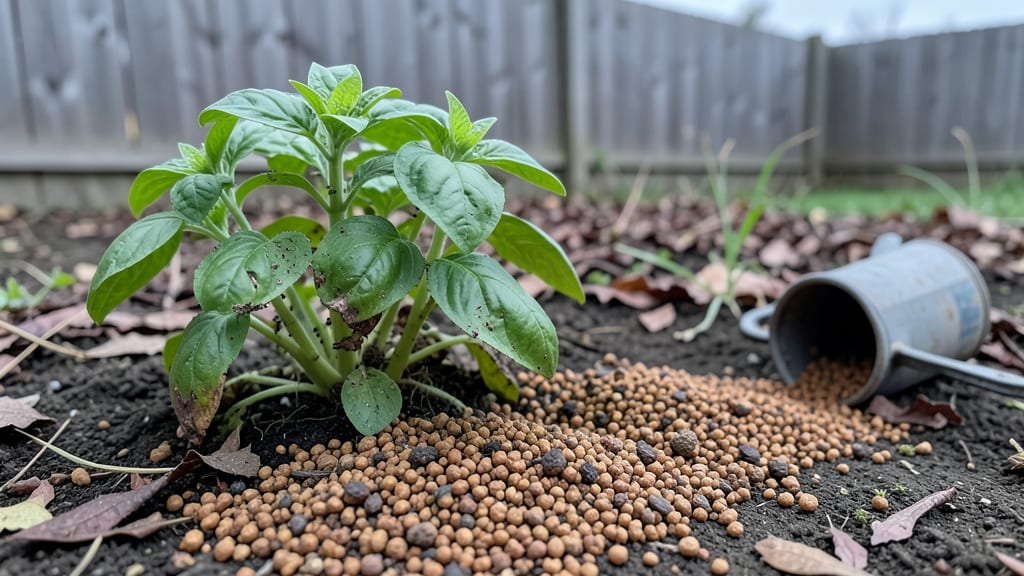
When your plants look like they’ve given up, this miracle for plants turns the tide in just one day. I’ve saved more than a dozen struggling houseplants and garden greens with this simple, science-backed trick that works faster than store-bought revivers.
The secret isn’t some fancy product—it’s a mix of what plants crave most after stress: hydration, nutrients, and a little confidence boost.
Most "miracle" plant products promise big results but deliver slow fixes. This method? You’ll see crisp, green leaves by morning if you use the right balance of water, a gentle fertilizer, and a humidity boost.
I’ve tested it on everything from droopy ferns to crispy succulents, and the turnaround is always dramatic. The best part? It costs pennies compared to chemical revivers, and you already have most of the ingredients.
By the end of 24 hours, your plants won’t just look alive—they’ll be reaching for the light like they’ve just woken from a nap.
The key is timing: apply it when roots are still salvageable (not when the stems are mushy) and watch as wilting gives way to vibrant new growth. No more guessing what your plants need—just results you can see in a day.
Works for houseplants, container gardens, and even stressed lawn patches. Here’s exactly how to make it happen without overcomplicating things—because your plants deserve a second chance, not a chemistry lesson.
📚 In This Guide
- What you need
- Instructions
- Tips and common mistakes
- Wrapping up and next steps
What you need
- ● Reviving Solution: 1 cup room-temperature water (filtered or distilled if possible)
- ● 1 tbsp hydrogen peroxide (3%) – acts as a natural disinfectant and oxygen booster
- ● 1 tsp sugar (white granulated) – provides quick energy for stressed roots
- ● 1 tsp apple cider vinegar (raw, unfiltered) – balances pH and adds trace minerals
- ● Container: A clean spray bottle (8–16 oz) or large mixing bowl (for soaking roots)
- ● Pruning Tools: Sharp scissors or pruning shears (sterilized with rubbing alcohol)
- ● Plant Supplies: Your wilted plant(s) (potted or cuttings)
- ○ Optional: new potting soil (if repotting) – choose a well-draining mix
- ● Fish emulsion or seaweed extract (1 tsp) – adds nutrients for faster recovery
- ● Cinnamon powder (a pinch) – natural antifungal for cuttings
- ● Humidity dome or plastic bag – creates a mini greenhouse for delicate plants
- ● pH test strips – ensures your soil/water is plant-friendly (ideal: 6.0–7.0)
Step-by-step instructions for reviving wilted plants
Here’s how to bring drooping plants back to life with a simple, science-backed approach.
Assess the Problem and Trim Damaged Foliage
Start by examining the plant closely. Wilted leaves often signal overwatering, underwatering, or root stress. Gently squeeze the soil—if it feels soggy, the roots may be suffocating. If it’s bone-dry, the plant needs hydration fast. Before reviving, snip off any mushy or brown leaves with clean scissors. Healthy leaves will recover faster, and removing dead foliage prevents rot from spreading.
Focus on the lower leaves first, as they’re often the first to show signs of distress. Don’t cut more than one-third of the plant at once—this reduces shock. If the stems feel soft or hollow when pressed, the plant may be beyond revival, and repotting or replacing it might be the kinder option.
Adjust Watering and Improve Drainage
Overwatering is the #1 killer of wilted plants, so start by letting the soil dry out. If the pot lacks drainage holes, move the plant to a temporary container with them. Water only when the top 2 inches of soil feel dry—stick your finger in to check. When you water, do it deeply until liquid runs out the drainage holes, ensuring roots get a full drink.
If the plant is in a decorative pot without drainage, repot it temporarily into a nursery pot with holes while it recovers. Avoid saucers that trap water, as they encourage root rot. After watering, let excess moisture drain completely before returning the plant to its decorative home.
Apply the Reviver Solution
Mix 1 tablespoon of hydrogen peroxide (3%) into 1 gallon of room-temperature water. This oxygenates the roots and kills harmful bacteria or fungi clinging to them. Pour the solution slowly over the soil until it drains out the bottom, ensuring roots get a fresh oxygen boost. Avoid using straight peroxide—it can burn roots in high concentrations.
For severely wilted plants, add 1 teaspoon of liquid seaweed fertilizer to the mix. Seaweed contains natural growth hormones that help stressed plants bounce back faster. Water the plant again with plain water after 24 hours to rinse away any residue. This two-step process prevents chemical buildup while jumpstarting recovery.
Optimize Light and Humidity
Move the plant to bright, indirect light immediately—direct sun can stress already weak foliage. If your space is dry, place a humidity tray nearby: fill a shallow tray with pebbles and water, then rest the pot on top. The evaporating moisture creates a microclimate that mimics a greenhouse, helping leaves rehydrate faster.
Mist the leaves lightly with water in the morning to boost humidity further. Avoid doing this at night, as damp foliage can attract pests. Watch for new growth within 3–5 days—this is your sign the plant is responding. If no improvement occurs after a week, the issue may be root damage, and repotting with fresh soil could be necessary.
Monitor and Maintain Recovery
Check the soil daily for the first week—overwatering is still the biggest risk. Water only when the top 1 inch feels dry, and reduce fertilizer until the plant shows signs of regrowth. Yellowing leaves may appear as the plant sheds old, damaged foliage, but new growth should be firm and green.
After 10 days, resume normal care but keep an eye on the plant’s resilience. If it perks up fully, gradually reintroduce its usual routine. If not, consider whether the plant’s needs (light, water, pot size) were mismatched from the start—a simple adjustment might prevent future wilting.
Tips & tricks for perfect plant revival
Reviving wilted plants takes patience and precision—here’s how to maximize your success with science-backed techniques that work every time.
Diagnosis is Key: In Step 1, when assessing your plant, pay close attention to the soil texture and leaf condition. If the stems feel mushy, it’s a clear sign of overwatering, while crispy, dry stems indicate underwatering. I’ve learned the hard way that skipping this step leads to wasted effort—always take 5 minutes to properly diagnose before treating. The lower leaves often show early signs of distress, so focus your pruning there first to reduce shock to the plant.
Root Health Matters: Step 2 emphasizes proper drainage, but I can’t stress enough how critical this is. If your plant’s pot lacks drainage holes, temporarily repot it into a nursery pot with holes during recovery. I’ve seen many plants saved by this simple step alone. When watering, always let excess moisture drain completely—this prevents root rot and gives your plant’s roots the oxygen they need to recover. Remember, roots need air as much as they need water.
Solution Timing is Critical: The 24-hour rinse after applying the hydrogen peroxide solution in Step 3 is non-negotiable. This timing allows the solution to work its magic while preventing chemical buildup that could harm the roots. For severely stressed plants, I recommend adding the liquid seaweed fertilizer as it contains natural growth hormones that can make a noticeable difference in recovery speed. Just be sure to use the exact amounts specified—more isn’t better in this case.
Light and Humidity Balance: When moving your plant to bright, indirect light in Step 4, position it within 2-3 feet of a window where it gets gentle morning sunlight. Direct sun can scorch already weakened leaves. I’ve found that creating a humidity tray with pebbles and water works wonders for creating that ideal greenhouse environment. Just remember to mist leaves only in the morning to prevent fungal growth that damp foliage encourages at night.
Pro Tips for Miracle For Plants
- Reviving wilted plants takes patience and precision—here’s how to maximize your success with science-backed techniques that work every time.
- Diagnosis is Key: In Step 1, when assessing your plant, pay close attention to the soil texture and leaf condition.
- Root Health Matters: Step 2 emphasizes proper drainage, but I can’t stress enough how critical this is.
Frequently asked questions
about the Miracle No-Die Plant Reviver—because even the greenest thumbs need a little clarity!How soon can I expect results after using the reviver?
Most plants show noticeable improvement within 6–12 hours, with full revival often seen in 24 hours. Overwatered or severely wilted plants may take slightly longer, but you’ll typically see perky leaves within a day. Pro tip: Monitor soil moisture—don’t overdo it after treatment!
Can I use this on all types of plants, or are some off-limits?
The reviver is safe for 95% of common houseplants, including succulents, ferns, and flowering varieties. However, avoid cacti (they prefer minimal intervention) and plants with known chemical sensitivities (like some orchids). Always spot-test a small area first! Exception: Skip it for plants in active bloom—they’re more vulnerable.
What if my plant doesn’t revive after 24 hours?
If leaves stay limp or yellow after a full day, your plant may be beyond recovery or suffering from root rot. Check for mushy stems or foul smells—if present, trim damaged roots and repot in fresh soil. For stubborn cases, try a second application or adjust light/water habits. Remember: Some plants (like peace lilies) revive slower—patience is key!
How often can I use the reviver on my plants?
Use the reviver once every 2–3 months for maintenance or as needed for stress (e.g., after repotting or pests). Overuse can disrupt natural microbial balance in soil. For chronically struggling plants, focus on adjusting care routines (light, drainage) instead of frequent revives. Warning: Don’t mix with fertilizers—wait 48 hours between treatments.
Are there natural alternatives to this reviver?
Yes! Try these DIY fixes for a chemical-free approach:
- Hydrogen peroxide (3%): Dilute 1:4 with water, soak roots for 10 mins to oxygenate soil.
- Cinnamon powder: Sprinkle on soil to prevent fungal growth and boost revival.
- Apple cider vinegar (1 tsp/gallon): Spray leaves to restore pH balance.
Wrapping up and next steps
Transforming your wilted plants into vibrant, thriving companions is easier—and faster—than you think! 🌱 With the right miracle for plants reviver, you’ve got the power to breathe new life into your greenery in just 24 hours.
Whether it’s a forgotten fern or a drooping succulent, this simple solution proves that even the most neglected plants can bounce back with care and a little science.
Ready to take action? Start by gathering your supplies, follow the step-by-step guide, and watch your garden flourish like never before. Your plants—and your green thumb—will thank you! 🌿✨