
Fertilization
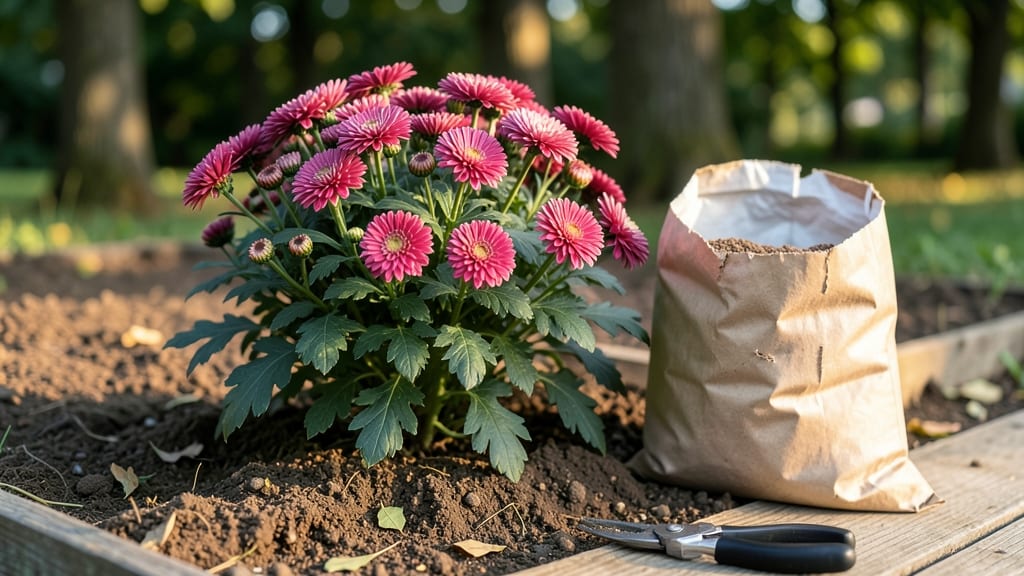
The secret to vibrant chrysal plant food lies in choosing the right fertilizer to transform your chrysanthemums from droopy to dazzling.
Struggling to keep your indoor plants thriving with vibrant, lush foliage? Chrysal Plant Food’s slow-release granules could be your game-changer—delivering balanced nutrition without the hassle of frequent watering or messy liquids.
This fertilizer is designed to work with your spring planting schedule, releasing nutrients over time to support strong root growth and fuller blooms by September.
Below, I’ll walk you through how to use it, when to apply it, and how to spot the signs of over- or under-feeding so your 🌼 Chrysanthemum stays healthy all season long.
How Chrysal plant food granules boost foliage growth over time
If you've ever struggled to keep your houseplants or garden foliage thriving, you're not alone. Many gardeners face the challenge of consistent nutrition without overdoing it.
That's where Chrysal Plant Food Granules shine—they deliver a slow-release nutrient boost that keeps your plants healthy for up to 6 months with minimal effort.
The secret lies in their science-backed formulation. Unlike liquid fertilizers that wash away quickly, these granules release nitrogen, phosphorus, and potassium gradually, matching your plant's natural growth cycle.
This means fewer applications and more vibrant, long-lasting foliage—perfect for indoor plants, tropical varieties, and even outdoor perennials.
Here’s how Chrysal Plant Food Granules work their magic:
Nitrogen (N) fuels leafy growth and chlorophyll production, giving your plants that deep green color. Phosphorus (P) strengthens roots and promotes blooming, while potassium (K) enhances disease resistance and overall vigor. Together, they create a balanced nutrient profile that supports steady, sustainable growth.
Unlike traditional fertilizers that require frequent reapplication, Chrysal’s granules dissolve slowly, releasing nutrients over time. This time-release mechanism ensures your plants get a steady supply of food without the risk of burning roots or nutrient overload.
For houseplants, this means fewer fertilizing sessions and more time enjoying lush, healthy leaves. Even drought-prone plants benefit because the granules retain moisture better, reducing the need for constant watering.
Let’s break down the nutrient composition and how it compares to other fertilizers:
The slow-release formula means you only need to apply Chrysal Plant Food 2-3 times per year, depending on your plant’s needs. This is a game-changer for busy gardeners or those who travel frequently—no more worrying about missed fertilizing sessions.
For indoor plants, like ferns or palms, the granules blend seamlessly into the soil, providing a steady nutrient flow without disturbing the roots. Even succulents and cacti benefit from the balanced nutrition, though they may need less frequent applications.
One of the biggest advantages is the reduced risk of over-fertilization. With traditional liquid fertilizers, it’s easy to overdo it, leading to burned leaves or salt buildup in the soil. Chrysal’s granules release nutrients at a controlled rate, so you get optimal growth without the downsides.
Whether you're growing chrysanthemums, bromeliads, or monstera plants, these granules provide the consistent nutrition your plants crave. The result? Brighter leaves, stronger stems, and healthier overall growth that lasts all season long.
Ready to see the difference for yourself? Try Chrysal Plant Food Granules and watch your foliage flourish with minimal effort! 🌿
Step-by-step guide: applying Chrysal plant food for maximum results
Transforming your houseplants, succulents, and tropical foliage into lush, vibrant displays starts with the right fertilizer application. Chrysal Plant Food’s slow-release granules make feeding effortless, but proper technique ensures your plants absorb every nutrient.
Whether you’re a beginner or seasoned gardener, these steps will help you achieve year-round growth without overfeeding or waste.
Unlike liquid fertilizers, Chrysal’s granules release nutrients gradually, matching your plants’ needs over 3 to 6 months. This method reduces burn risk and eliminates the need for frequent watering sessions.
Below, I’ll walk you through the exact process—from soil preparation to seasonal adjustments—so your plants thrive from spring to winter.
How to Apply Chrysal Plant Food Granules
- Step 1: Choose the Right Time Apply granules in early spring or after repotting to align with active growth phases. Avoid winter applications, as most plants enter dormancy.
- Step 2: Prepare the Soil Loosen the top 2-3 inches of soil around your plant’s base. For potted plants, gently mix granules into the topsoil layer. Outdoor plants benefit from a 1-inch deep trench around the drip line.
- Step 3: Measure the Dose Use 1 tablespoon per gallon of soil for most plants. For large tropical foliage (e.g., monstera or fiddle-leaf fig), double the dose. Always follow the product label for specific plant types.
- Step 4: Distribute Evenly Sprinkle granules lightly over the soil surface and gently work them in. Avoid direct contact with stems or leaves to prevent nutrient burn. Water thoroughly to activate the granules.
- Step 5: Water Deeply After application, water your plant until the granules are fully saturated. This triggers the slow-release mechanism. Repeat every 3-6 months or as needed for fast-growing varieties.
- Step 6: Monitor and Adjust Observe your plant’s response: healthier leaves, faster growth, or vibrant blooms indicate success. If you notice yellowing leaves or stunted growth, reduce future doses by half.
For seasonal adjustments, focus on spring and summer applications when plants are most active. In fall, reduce doses by 50% to prepare plants for dormancy. Chrysal’s granules work wonders for succulents (use half the dose) and tropical plants (like bird-of-paradise), which thrive on consistent, low-intensity feeding.
Pro tip: Mix a small amount of granules into the soil when repotting. This ensures your new plant starts with a nutrient boost right away. Always store unused granules in a cool, dry place to maintain potency for up to 2 years.
With these steps, your plants will reward you with glossy leaves, stronger stems, and bountiful blooms—all while saving you time and effort. Happy gardening! 🌿