Container Gardens
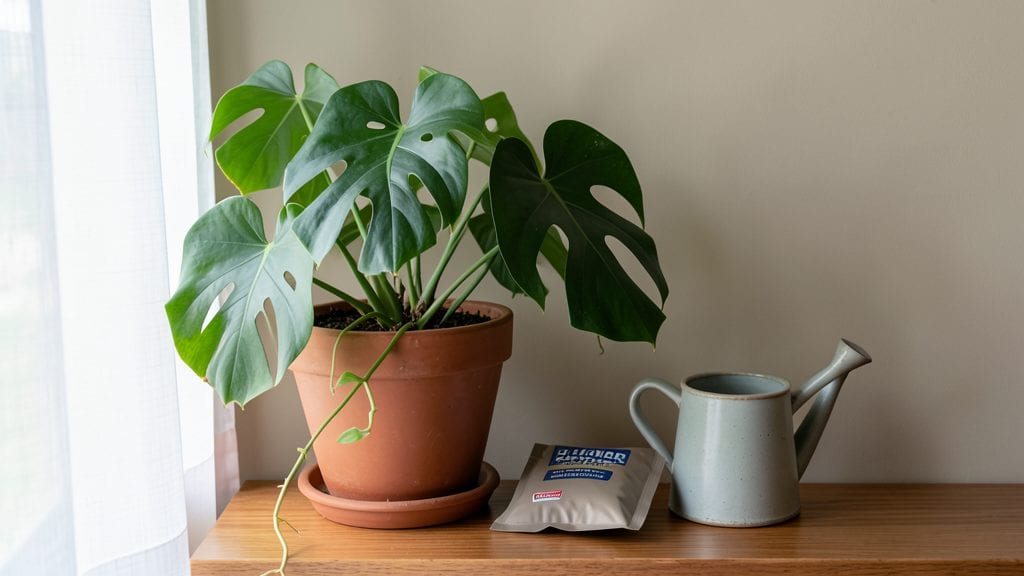
Feeding indoor plants isn't about dumping fertilizer on them—it's about matching nutrients to what your greenery actually needs. 🌱 I learned this the hard way after turning my fern's leaves yellow with overzealous feeding last winter.
The secret lies in understanding whether your plant is a light feeder like a snake plant or a heavy feeder like a monsteras.
You'll need just three things: a balanced liquid fertilizer, a spray bottle, and a calendar reminder. Most houseplants thrive on a diluted feed every 4-6 weeks during spring and summer, then rest in fall and winter.
Organic options like fish emulsion or worm tea work well for tropicals, while succulents often need nothing beyond occasional water.
With the right feeding schedule, you'll see glossier leaves, faster growth, and fewer brown tips. The key is consistency—too much causes salt buildup, too little means stunted growth. I'll walk you through how to spot the difference and adjust your approach for different plant families.
This works for every indoor space, from sunny windowsills to dim office corners. Let's get those plants growing like they mean it—without the guesswork.
📚 In This Guide
- What you need
- Instructions
- Tips and common mistakes
- Wrapping up and next steps
What you need
- ● Balanced liquid fertilizer (e.g., 10-10-10 or 20-20-20 NPK ratio) – 1-2 tbsp per gallon of water (adjust based on plant needs).
- ○ Slow-release fertilizer granules (optional but convenient for busy plant parents).
- ● pH testing kit (to monitor soil acidity/alkalinity, ideal range: 6.0–7.0).
- ● Distilled or rainwater (tap water can harm plants due to chlorine/fluoride; 1 gallon per feeding).
- ● Measuring spoon or dropper (for precise fertilizer dosing—no eyeballing!).
- ● Spray bottle (for foliar feeding—mix fertilizer with water at ½ strength).
- ● Watering can with a fine rose (gentle watering prevents root burn).
- ○ Gloves (optional, to avoid skin irritation from fertilizers).
- ● Plant food calendar (track feeding schedules—most plants need every 4–6 weeks).
- ○ Organic amendments (optional: compost tea, worm castings, or fish emulsion for nutrient boosts).
- ● 💡 Read labels! Over-fertilizing is a common killer—less is more for indoor plants.
- ● 🌡️ Check humidity. Dry air? Mist leaves lightly before feeding for better absorption.
- ● 🎯 Rotate plants every feeding to ensure even growth (no lopsided leafy giants!).
Instructions for feeding indoor plants
Here's how to keep your houseplants lush and healthy with the right feeding routine.
🌱 Step 1: Understand Your Plant's Nutrient Needs
Not all indoor plants need the same feeding schedule. Most tropical plants like ferns and calatheas thrive on a balanced liquid fertilizer every 4-6 weeks during spring and summer when they're actively growing. Succulents and cacti, on the other hand, only need feeding once or twice a year—overfeeding them causes root burn.
Check your plant's label or research its specific needs. You'll see the difference immediately: overfed plants develop crispy brown edges on leaves, while underfed ones grow pale and leggy. I always keep a small notebook by my plants to track when I last fed each one—it saves me from guessing.
💧 Step 2: Choose the Right Fertilizer Type
For most houseplants, a water-soluble, balanced fertilizer (like a 10-10-10 or 20-20-20 ratio) works perfectly. These provide equal parts nitrogen (for leaf growth), phosphorus (for root development), and potassium (for overall health). Dilute it to half-strength unless the package says otherwise—stronger concentrations can scorch roots.
Slow-release granules are great for forgetful plant parents. Just sprinkle them on top of the soil every 3-4 months, and they'll release nutrients gradually. I prefer them for my snake plants and pothos because they eliminate the risk of overfeeding during my busy weeks.
☀️ Step 3: Feed During Active Growth Periods
Timing matters more than you think. Feed your plants only when they're actively growing—typically spring through early fall. During winter, most houseplants enter dormancy and don't need extra nutrients. You'll know they're ready when you see new growth or leaves unfurling.
Always water your plant first, then wait 24 hours before applying fertilizer. This prevents root burn from concentrated nutrients in dry soil. I set a reminder in my phone for every 6 weeks during growing season—it's become a non-negotiable part of my plant care routine.
✂️ Step 4: Apply Fertilizer Correctly
Pour the diluted fertilizer directly onto the soil, avoiding the leaves. For most plants, ¼ to ½ teaspoon of fertilizer per gallon of water is plenty. Water the plant thoroughly afterward to help distribute nutrients evenly and prevent salt buildup on the soil surface.
After feeding, place your plant in a spot with bright, indirect light for a few days. This helps the plant absorb nutrients efficiently. You'll notice a difference in leaf color and growth within 2-3 weeks. If you see white crusty deposits on the soil, flush it with water immediately—this means excess salts have built up.
🪴 Step 5: Monitor and Adjust
Watch your plants closely after feeding. Healthy growth means your routine is working. If leaves yellow or brown, you might be overfeeding—rinse the soil with water to remove excess salts. If growth slows down, it might be time for another feeding or a change in fertilizer type.
Every 6 months, I repot my plants and refresh the soil. This gives their roots a clean slate and prevents nutrient deficiencies from depleted soil. I've found that even with regular feeding, soil quality matters just as much as what you put in it.
Tips & tricks for perfect indoor plant feeding
Here's what I've learned after years of keeping houseplants thriving—these little details make all the difference.
Plant-Specific Timing: The 4-6 week feeding schedule in Step 1 works best for tropical plants, but don't apply this to succulents! Those resilient plants only need feeding once or twice a year—overfeeding causes more damage than underfeeding. I keep a separate notebook for my succulents with their own schedule marked in red ink to avoid mixing them up.
Fertilizer Strength Matters: When using water-soluble fertilizers in Step 2, always dilute to half-strength unless the package specifically says otherwise. I've ruined plants by using full-strength fertilizer—it burns roots like salt on a wound. For extra safety, I even test the diluted solution on my finger first to check for any stinging sensation before applying.
Seasonal Reminders: The 24-hour waiting period before fertilizing in Step 3 is crucial during spring and summer when plants are actively growing. I set phone reminders for both the watering and the 24-hour wait—this prevents me from accidentally fertilizing dry soil. In winter, I completely skip fertilizing since most plants are dormant and won't benefit from nutrients.
Monitoring After Feeding: After applying fertilizer in Step 4, watch for those white crusty deposits on the soil surface—this is a clear sign of salt buildup. I've learned to flush my plants' soil with water immediately if I see this happening. The 2-3 week observation period mentioned in Step 4 is perfect for noticing early signs of overfeeding or nutrient deficiencies before they become serious problems.
Pro Tips for Feeding Indoor Plants
- Here's what I've learned after years of keeping houseplants thriving—these little details make all the difference.
- Plant-Specific Timing: The 4-6 week feeding schedule in Step 1 works best for tropical plants, but don't apply this to succulents!
- Fertilizer Strength Matters: When using water-soluble fertilizers in Step 2, always dilute to half-strength unless the package specifically says otherwise.
Frequently asked questions
Got questions about keeping your indoor plants fed and happy? You’re not alone! Here are some of the most common queries—plus clear, no-fuss answers to keep your green babies thriving.
How often should I fertilize my indoor plants?
Most indoor plants thrive with monthly feeding during spring and summer (growth season), but cut back to every 6–8 weeks in fall/winter. Over-fertilizing burns roots—always check the plant’s label or soil moisture before feeding. Pro tip: Dilute liquid fertilizers to half-strength for sensitive species like ferns or orchids!
Can I use coffee grounds or eggshells as fertilizer?
Coffee grounds add nitrogen (great for leafy plants) and improve soil texture, while crushed eggshells provide calcium. How to use: Sprinkle a thin layer (¼ inch) of grounds on soil monthly, or grind eggshells into powder and mix into the top inch. Warning: Avoid overdoing it—too much coffee acidity can harm acid-sensitive plants like succulents.
My plant’s leaves are turning yellow/brown—did I overfeed it?
Yellowing leaves or crispy edges often signal fertilizer burn. Flush the soil with water to leach excess salts, then pause feeding for 4–6 weeks. If roots look black/mushy, repot in fresh soil. Prevent it: Always water before fertilizing (soil should be slightly dry) and avoid winter feeding when growth slows.
What’s the easiest fertilizer for beginners?
Start with a balanced, water-soluble fertilizer (like 10-10-10 or 20-20-20) for versatility. For low-maintenance care, try slow-release granules (sprinkle once every 3–6 months) or worm castings—nature’s gentle, nutrient-rich soil booster. Bonus: Liquid fish emulsion is a great organic option for a quick nutrient boost!
Do I need to fertilize dormant plants in winter?
Nope! Most indoor plants (like succulents or snake plants) enter dormancy in winter and don’t need feeding. Resume fertilizing in early spring when you see new growth. Exception: Tropical plants (e.g., peace lilies) may tolerate light feeding, but always reduce frequency by half.
Wrapping up and next steps
Feeding your indoor plants doesn’t have to be complicated—just consistent, balanced, and mindful! With the right nutrients, watering routine, and a little attention to detail, your green companions will thrive and reward you with lush, vibrant growth. 🌿
Now that you’re armed with the knowledge, take the next step: observe your plants, adjust their care as needed, and enjoy the journey of nurturing life indoors. Happy gardening—your plants are counting on you! ✨