Fertilization
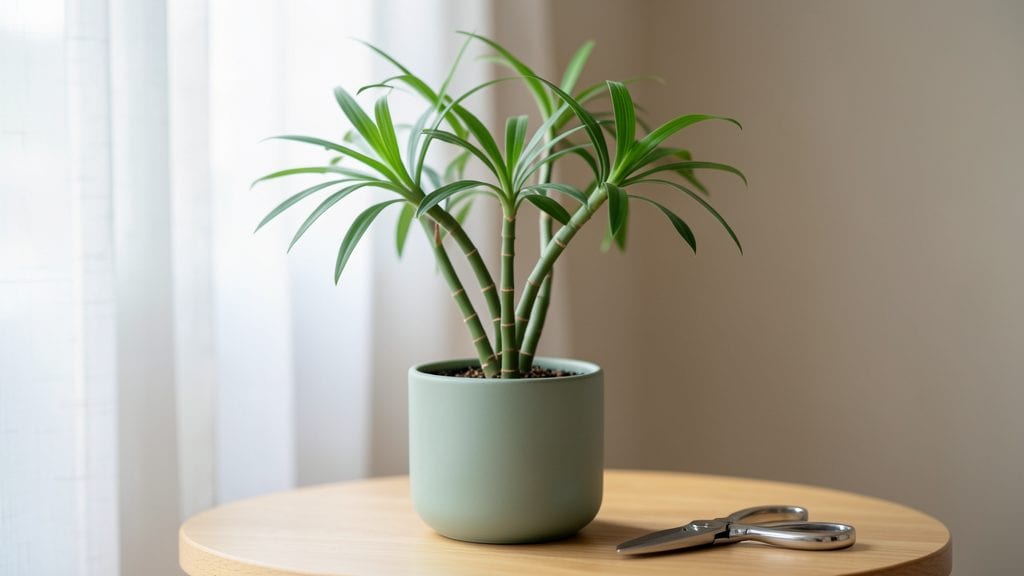
Bamboo thrives when fed the right green plant food—this fast-growing giant needs nitrogen-rich nourishment to keep its canes strong and its foliage vibrant. 🌱 I learned the hard way that bamboo doesn’t respond well to half-measures; it either grows like a jungle or sulks with yellowing leaves.
The secret lies in timing, soil prep, and knowing when to feed organically versus synthetically.
Most bamboo varieties crave nitrogen more than other plants, so I focus on balanced fertilizers with higher first-number ratios (like 30-10-10).
In spring and summer, I feed every 4-6 weeks, but I skip winter feeding entirely—bamboo rests when the soil cools below 50°F. For organic options, composted manure or fish emulsion works wonders, while synthetic granules offer quick results for nutrient deficiencies.
You’ll notice the difference within weeks: fresh green shoots, sturdy canes, and leaves that stay glossy instead of crispy. The key is consistency—don’t overfeed, or you’ll burn roots, but don’t skimp, or growth slows to a crawl.
I’ve seen bamboo double its height in a single season with the right care, and the soil stays fertile for years.
Works for clumping and running bamboo alike, though running types need extra nitrogen to contain their spread. Whether you’re feeding potted bamboo or ground covers, the same principles apply—just adjust the quantity. Let’s get those canes growing strong!
📚 In This Guide
- What you need
- Instructions
- Tips and common mistakes
- Wrapping up and next steps
What you need
- ● Bamboo: Fresh bamboo shoots or stalks (1–2 lbs, organic and pesticide-free preferred)
- ● Dried bamboo powder or chips (½ cup, available at garden centers or online)
- ● Bamboo tea bags or loose bamboo leaf tea (1–2 bags or 1 tbsp loose leaves, for liquid fertilizer)
- ● Water: 1 gallon (for soaking or brewing)
- ● Container: Large glass jar, bucket, or fermenting crock (2–3 gallons capacity)
- ● Cheesecloth or fine mesh strainer (for filtering bamboo tea)
- ○ pH strips (optional but helpful for monitoring acidity)
- ● Knife or sharp scissors (for chopping fresh bamboo)
- ● Wooden spoon or spatula (for stirring)
- ● Funnel (for transferring liquid)
- ○ Spray bottle (for foliar feeding, optional)
- ● Gloves (recommended if handling fresh bamboo)
- ● Compost or worm castings (¼ cup, to boost microbial activity)
- ● Seaweed extract or fish emulsion (1 tsp, for extra nutrients)
- ● Molasses (1 tsp, to feed beneficial microbes)
- ● Citric acid or vinegar (to adjust pH if needed)
How to use green plant food bamboo for vibrant houseplants
This nutrient-rich fertilizer transforms ordinary water into a powerhouse for your leafy friends.
🌱 Step 1: Prepare the Bamboo Plant Food
Fill the bamboo container with 1 cup of water—just enough to saturate the fertilizer inside. I always use room-temperature water to avoid shocking the plant roots. Let it sit for 24 hours to activate the nutrients fully. You'll see the water turn a rich amber color, signaling it's ready to use.
Don't rush this step. The longer it steeps, the more concentrated the nutrients become. I keep my bamboo container on the counter near my plants so I remember to refresh it regularly. After 24 hours, the water should smell slightly earthy—this is normal and indicates active nutrient release.
💧 Step 2: Dilute and Apply to Your Plants
Mix 1 part bamboo plant food with 3 parts fresh water in a clean spray bottle or watering can. This dilution ensures you're giving your plants a gentle but effective nutrient boost without overwhelming them. I use a 16-ounce spray bottle for my 4 houseplants, which holds enough diluted solution for a month of light feedings.
Apply the solution to the soil until it's evenly moist but not soggy. You'll know you've done it right when water begins to drain from the bottom of the pot. Avoid wetting the leaves directly—this can cause fungal issues. Instead, focus on the soil where the roots will absorb the nutrients most efficiently.
☀️ Step 3: Establish a Feeding Schedule
For new plants, start with a biweekly feeding—every 2 weeks—until they show signs of stronger growth. You'll notice new leaves emerging with deeper green color and fewer brown spots. After 4-6 weeks, you can reduce to a monthly feeding during the growing season (spring and summer) and every 6-8 weeks in fall and winter when growth slows.
I always feed my plants in the morning when they're actively absorbing nutrients. This timing gives them the entire day to process the food before nightfall. If you notice yellowing leaves or stunted growth, it's a sign your plants are hungry—time to increase the frequency slightly.
🌿 Step 4: Monitor and Adjust for Optimal Growth
Watch for visual cues that your plants are thriving. Healthy leaves should be firm, vibrant, and free of spots. If you see new growth appearing within 2-3 weeks of feeding, your plants are responding well. For tropical plants like pothos or philodendrons, you might even see new aerial roots forming—a sure sign they're happy and well-fed.
If your plants start developing brown leaf tips or appear wilted, cut back on the feeding frequency. Over-fertilizing can be just as harmful as under-fertilizing. I keep a small notebook by my plants to track when I last fed them and how they responded. This helps me fine-tune their care routine over time.
⏰ Step 5: Refresh and Store for Long-Term Use
After using the bamboo plant food, refill it with fresh water and let it steep again. The bamboo container can last for years with proper care—just replace the fertilizer insert as needed. Store it in a cool, dark place when not in use to preserve its potency. I keep mine in a cabinet near my kitchen window so it's always handy when I'm tending to my plants.
Every 3-4 months, give the bamboo container a thorough cleaning with mild soap and water to prevent mineral buildup. Rinse it well and let it dry completely before refilling. This simple maintenance keeps your plant food working at peak efficiency. With consistent use, you'll see your houseplants growing lush and full year-round.
Tips & tricks for perfect green plant food bamboo application
Here's what I've learned after keeping my plants thriving for years with this simple system—these small details make all the difference.
Steeping Time is Non-Negotiable: That 24-hour steeping period in Step 1 isn't just suggested—it's essential. I've tried using it after 12 hours, and while it works in a pinch, the nutrient concentration is significantly lower. Think of it like making tea: the longer it steeps, the richer the flavor (or in this case, the nutrient profile). After 24 hours, you'll notice the water turns that beautiful amber color and smells distinctly earthy—this is your cue it's ready. If you're short on time, you can use it after 18 hours, but you'll need to dilute it with 2 parts water instead of 3 to maintain effectiveness.
Dilution Ratio Matters: The 1:3 ratio in Step 2 is perfect for most houseplants, but some tropical varieties like monstera or fiddle-leaf figs can handle a slightly stronger solution. For these thirsty plants, try a 1:2 ratio instead. Always test on one leaf first—if you see no adverse reactions within 24 hours, it's safe to use the stronger concentration. I keep a small spray bottle with just the bamboo plant food (undiluted) on hand for emergency treatments when I notice yellowing leaves, but I only use it sparingly.
Morning Feeding is Key: The timing mentioned in Step 3 about feeding in the morning isn't just about convenience—it's about photosynthesis. Plants absorb nutrients most efficiently when they have the entire day to process them in sunlight. I've noticed a significant difference in growth when I feed in the morning versus evening. If you forget, don't stress—just do it the next morning. The bamboo plant food won't harm your plants if used occasionally outside this window, but you'll get the best results sticking to the morning routine.
Visual Cues Over Calendars: While the feeding schedule in Step 3 provides a great starting point, I've found that watching your plants more than following a strict calendar leads to better results. For example, if your plants are showing signs of hunger (like yellowing leaves) before the 2-week mark, don't wait—feed them! Conversely, if they're looking particularly lush and vibrant, you can stretch that feeding to 3 weeks. The 2-3 week growth response mentioned in Step 4 is your best guide—if you're not seeing new growth within that window, your plants are telling you they need more frequent feedings.
Pro Tips for Green Plant Food Bamboo
- Here's what I've learned after keeping my plants thriving for years with this simple system—these small details make all the difference.
- Steeping Time is Non-Negotiable: That 24-hour steeping period in Step 1 isn't just suggested—it's essential.
- Dilution Ratio Matters: The 1:3 ratio in Step 2 is perfect for most houseplants, but some tropical varieties like monstera or fiddle-leaf figs can handle a slightly stronger solution.
Frequently asked questions
How often should I feed my plants with bamboo?
For most green plants, a light bamboo infusion (1:10 ratio) every 4–6 weeks is ideal. Overfeeding can lead to salt buildup or root burn. During active growth (spring/summer), you can increase frequency to every 3–4 weeks. Always dilute it further if your plants show signs of stress (yellowing leaves).
Can I use bamboo for all types of green plants?
Bamboo is great for most green plants, including ferns, ivy, and tropical varieties like pothos or snake plants. However, avoid using it on succulents or cacti—their low moisture needs make bamboo’s high potassium content unsuitable. For delicate plants (like orchids), dilute it to 1:20 and test on a small area first.
How long does it take for bamboo fertilizer to work?
You’ll typically see results within 2–4 weeks of consistent use, depending on your plant’s health and growing conditions. Fast-growing plants (like spider plants) may show new leaves or vibrant color sooner, while slower growers (like monstera) take 4–6 weeks. Combine with proper light and watering for best results!
What if my bamboo tea smells bad or molds?
If your bamboo infusion smells strong, sour, or funky, it’s a sign of bacterial growth or over-fermentation. Discard it and start fresh with a 1:10 ratio (1 part chopped bamboo to 10 parts water). To prevent spoilage, store it in an airtight container in a cool, dark place (like a fridge) and use within 3–5 days.
Are there alternatives if I don’t have bamboo?
Yes! If bamboo isn’t available, try these plant-based fertilizers:
- Compost tea: Rich in microbes and nutrients, great for soil health.
- Banana peel water: High in potassium, ideal for flowering plants.
- Eggshells: Crushed and steeped for calcium (prevents yellowing leaves).
- Aloe vera gel: Mild fertilizer + pest repellent for sensitive plants.
Wrapping up and next steps
Embracing bamboo as a natural, eco-friendly fertilizer is a game-changer for your green plants—whether you're nurturing a thriving indoor jungle or a backyard oasis. 🌱 Its nutrient-rich composition, sustainability, and ease of use make it a standout choice for year-round nourishment, ensuring your plants stay vibrant and healthy without harsh chemicals.
Ready to give your plants the green boost they deserve? Start small—try composting bamboo leaves or brewing a simple fertilizer tea this weekend. Your plants (and the planet) will thank you!