
Plants
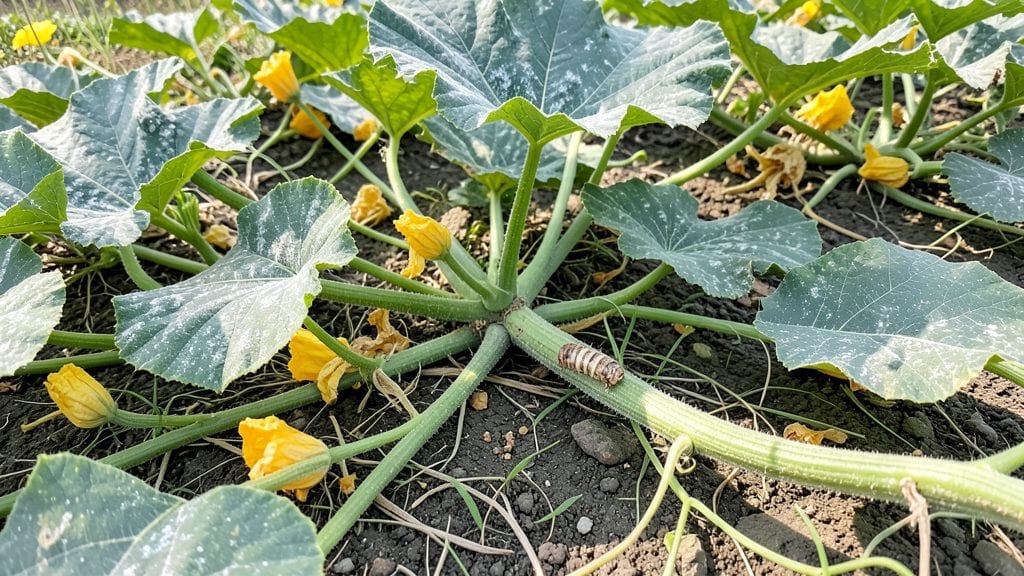
Mastering troubleshooting squash plants starts the moment they look more like sad green rags than thriving vines—quick action is the secret. 🌱 I’ve nursed back more squash plants than I’d like to admit, and the fixes often boil down to three simple... checks: water, pests, and soil health.
Most gardeners overlook one of these, and that’s where the real trouble starts.
Wilted leaves usually mean either underwatering (especially in hot afternoons) or squash bugs sucking the life out of your plants. Blossom end rot? That’s a classic calcium deficiency—often from inconsistent watering—that turns the bottoms of your fruits to mush.
The good news? All of these have fast solutions, from adjusting your watering schedule to handpicking pests before they multiply.
By the end of this, you’ll spot the early warning signs—yellowing leaves, chewed vines, or those telltale soft spots on fruit—and know exactly how to turn things around. No more guessing whether to water more or less, or whether those tiny black bugs are harmless.
Just clear, actionable steps that get your plants back to producing those big, bountiful squash you planted them for.
Works for zucchini, butternut, and pumpkins alike, no matter if you’re growing in raised beds, containers, or straight in the ground. Let’s get those vines healthy again—fast.
Root Causes of Squash Plant Struggles
Understanding why your squash plants act up is half the battle—once you know the science behind the symptoms, you can tackle the problem head-on. Below are the most common culprits behind wilted leaves, stunted growth, and blossom end rot, explained in clear terms.
Squash plants (Cucurbita spp.) thrive in warm, stable conditions—typically between 70–90°F (21–32°C). When temperatures swing too high or too low, their metabolic processes get thrown off balance.
- Heat Stress (Above 90°F / 32°C):
- High temperatures accelerate transpiration (water loss through leaves), causing wilting even when soil is moist.
- Pollination fails because squash flowers are thermosensitive—they close in extreme heat, preventing fruit set. 🌸
- Solution: Provide afternoon shade with row covers or mulch to keep roots cool.
- Cold Snaps (Below 50°F / 10°C):
- Chilly nights slow enzymatic activity, stalling growth and turning leaves yellow.
- Young plants may develop black rot if exposed to frost.
- Solution: Use frost blankets or plant in south-facing beds for delayed morning sun.
Squash plants are thirsty but hate soggy feet. Watering issues trigger two opposite but equally damaging problems:
- Underwatering:
- Leaves curl and crisp at the edges due to plasma membrane damage in cells (they lose turgor pressure).
- Blossom end rot appears when calcium uptake is disrupted by uneven moisture.
- Fix: Water deeply 1–2 inches per week, focusing on the root zone (not the leaves).
- Overwatering:
- Roots suffocate in waterlogged soil, leading to anaerobic conditions that block oxygen uptake.
- Fungal diseases like powdery mildew thrive in damp foliage.
- Fix: Ensure well-draining soil (amend with compost) and avoid overhead watering.
Squash plants need a balanced diet—too much or too little of certain nutrients throws them off.
| Symptom | Likely Cause | Quick Fix |
|---|---|---|
| Yellowing leaves (veins stay green) | Nitrogen deficiency (chlorosis) | Apply compost tea or blood meal. |
| Purple stems/leaves | Phosphorus shortage (energy starved) | Side-dress with bone meal. |
| Weak stems, slow growth | Potassium deficiency (muscle weakness) | Use wood ash or banana peel tea. |
| Blossom end rot | Calcium deficiency (cell wall collapse) | Sprinkle crushed eggshells or use calcium nitrate. |
⚠️ Warning: Over-fertilizing with nitrogen (e.g., too much manure) can burn roots and attract pests like squash bugs.
Squash plants are a buffet for insects and pathogens. Here’s how they strike:
- Squash Vine Borers (🐛):
- Larvae tunnel into stems, cutting off water flow → sudden wilting.
- Signs: Sawdust-like frass near the base or chewed stems.
- Fix: Wrap stems with aluminum foil (borers can’t penetrate) or apply Bt (Bacillus thuringiensis) spray.
- Powdery Mildew (🍄):
- Fungal spores thrive in humid, shaded conditions, coating leaves in white powder.
- Fix: Spray with baking soda mix (1 tsp baking soda + 1 quart water + a drop of soap) weekly.
- Blossom End Rot (🍅):
- Not a pest, but calcium starvation (often from inconsistent watering) causes the fruit’s end to rot.
- Fix: Maintain even moisture and add calcium-rich amendments.
Compacted or poor-quality soil strangles squash roots, leading to:
- Root bound stress → Stunted growth.
- Fungal infections (e.g., Phytophthora) in waterlogged soil.
- Nutrient lockout (soil pH too high/low).
Diagnose with the "Finger Test":
- Stick your finger 2 inches deep into the soil.
- If it feels like hard clay, amend with compost or perlite.
- If it’s sandy, add organic matter to retain moisture.
Even healthy squash plants can crash and burn if not planted correctly:
- Too deep: Buried stems rot (squash are not self-grafting like tomatoes).
- Too shallow: Roots dry out, and plants topple in wind.
- Crowded seedlings: Compete for nutrients → weak, leggy growth.
Pro Tip: 💡 Hardening off seedlings (acclimating them to outdoor conditions over 5–7 days) reduces shock. Plant only when soil is 60°F+ (15°C+).
Key Takeaway: Most squash problems boil down to water, nutrients, or stress. Once you identify the root cause, the fix is usually straightforward—just act fast! 🚀
Quick fixes for common squash problems
When your squash plants start showing signs of distress—whether it’s wilted leaves, shriveled fruits, or mysterious spots—don’t panic! Most issues have simple, actionable fixes. Below, we’ve mapped out the most common problems and the steps to revive your plants (and prevent future setbacks).
Think of this as your squash plant first-aid kit, packed with practical tips to get your garden back on track.
Wilted or yellowing leaves are often the first sign your squash plants are struggling. Here’s how to diagnose and treat the issue:
🔥 Cause: Overwatering or Poor Drainage
If the soil feels soggy and leaves turn yellow (especially near the bottom), your plants are drowning. Squash plants hate "wet feet."
- 👨🍳 Step 1: Check the Soil Stick your finger 1–2 inches into the soil. If it’s damp, hold off on watering. Squash plants prefer soil that’s moist but not waterlogged.
- 🥘 Step 2: Improve Drainage Amend the soil with compost or perlite to loosen heavy clay. If planting in containers, ensure pots have drainage holes.
- ⏰ Step 3: Adjust Watering Habits Water deeply once or twice a week (depending on weather) rather than daily shallow watering. Early morning is best to reduce fungal risks.
- 💡 Prevention Tip: Mulch around plants with straw or shredded leaves to retain moisture without over-saturating the soil.
🍳 Cause: Underwatering or Heat Stress
Drooping leaves that perk up after watering? Your plants are thirsty. Squash plants also wilt in extreme heat (above 90°F).
- 👨🍳 Step 1: Water Thoroughly Give plants 1–2 inches of water per week, focusing on the base (not the leaves) to avoid fungal diseases.
- 🥘 Step 2: Provide Shade Cloth If temps soar, drape lightweight shade cloth (30–50%) over plants for a few hours daily to reduce stress.
- 🌡️ Step 3: Monitor Soil Temperature Squash prefers soil between 60–85°F. If your garden is baking, consider moving seedlings to a cooler spot or using black plastic mulch to absorb heat.
- 🎯 Prevention Tip: Water in the early morning to let leaves dry before evening, reducing the risk of mildew.
Those dark, sunken spots on the blossom end of your squash? That’s calcium deficiency, often triggered by inconsistent watering or poor soil conditions. Here’s how to stop it:
🔥 Cause: Calcium Deficiency
Blossom end rot is a classic sign your plants aren’t getting enough calcium, usually due to uneven moisture or compacted soil.
- 👨🍳 Step 1: Apply Calcium-Rich Amendments Mix crushed eggshells, oyster shell flour, or gypsum into the soil around plants. For immediate relief, use a calcium nitrate solution (1 tbsp per gallon of water) as a foliar spray.
- 🥘 Step 2: Water Consistently Keep soil evenly moist—never let it dry out completely between waterings. Use a drip irrigation system for steady hydration.
- ⏰ Step 3: Mulch Heavily Spread 2–3 inches of organic mulch (like straw) to retain moisture and prevent calcium leaching.
- 💡 Prevention Tip: Test your soil’s pH (ideal range: 6.0–7.0). Calcium absorbs better in slightly acidic to neutral soil. Add lime if needed.
🍳 Cause: Over-Fertilizing with Nitrogen
Too much nitrogen (common in synthetic fertilizers) can starve plants of calcium, leading to BER.
- 👨🍳 Step 1: Switch to Balanced Fertilizer Use a low-nitrogen, high-calcium fertilizer (like 5-10-10) or compost tea. Avoid high-nitrogen feeds like blood meal.
- 🥘 Step 2: Flush the Soil Water heavily to leach out excess salts from synthetic fertilizers, which can block calcium uptake.
- 🎯 Prevention Tip: Side-dress with compost every 4–6 weeks instead of relying on chemical fertilizers.
Holes in leaves, chewed vines, or powdery white fuzz? Pests and diseases can derail your squash harvest fast. Act quickly with these targeted fixes:
🔥 Cause: Squash Bugs or Cucumber Beetles
These pests suck sap and spread disease. Look for yellow eggs on leaves or black/brown shield-shaped bugs.
- 👨🍳 Step 1: Handpick Adults Crush bugs between your fingers (wear gloves!) or drop them into soapy water. Check undersides of leaves daily.
- 🥘 Step 2: Use Row Covers Early Install floating row covers at planting to block beetles. Remove when flowers appear to allow pollination.
- 🔪 Step 3: Spray Neem Oil or Insecticidal Soap Mix 1 tsp neem oil per quart of water + a drop of dish soap and spray early in the morning to avoid harming bees.
- 💡 Prevention Tip: Plant trap crops like radishes or nasturtiums nearby to lure pests away from squash.
🍳 Cause: Powdery Mildew (White Fuzzy Coating)
This fungal disease thrives in humid conditions. If leaves develop a white, powdery film, act fast!
- 👨🍳 Step 1: Prune and Dispose of Infected Leaves Remove heavily affected leaves and dispose of them in the trash (not compost) to prevent spread.
- 🥘 Step 2: Improve Airflow Space plants 3–4 feet apart and avoid overhead watering. Use a fan on low setting near plants for 10 mins/day to reduce humidity.
- 🌡️ Step 3: Apply Baking Soda Spray Mix 1 tbsp baking soda + 1 tsp oil + 1 tsp dish soap per gallon of water. Spray both sides of leaves every 7–10 days.
- ✨ Prevention Tip: Water at the base and avoid late-day watering to keep foliage dry overnight.
If your squash plants are looking generally lackluster, try these all-around boosters:
- 🌱 Boost with Compost Tea: Brew a compost tea (steep compost in water for 24 hours, strain) and water plants with it to replenish microbes.
- 🍅 Companion Planting: Interplant with basil, marigolds, or beans to repel pests and improve growth.
- 🔄 Rotate Crops: Avoid planting squash in the same spot next year—rotate with legumes or grasses to prevent soil-borne diseases.
- 🌡️ Monitor Weather: Squash thrives in warm (70–90
Frequently asked questions about squash plant care
Why are my squash leaves turning yellow?
Yellowing leaves usually mean either overwatering (soil feels soggy) or nutrient deficiency. Check the soil moisture first—squash prefer 1-2 inches of water per week. If leaves yellow between veins, it's likely nitrogen deficiency. Try compost tea or a balanced organic fertilizer.
How do I prevent blossom end rot in my squash?
Blossom end rot occurs from calcium deficiency caused by uneven watering. Keep soil consistently moist (not soggy) and add crushed eggshells or gypsum to the soil. For immediate help, spray diluted calcium nitrate solution (1 tbsp per gallon) on leaves.
What should I do if my squash plants wilt suddenly?
Sudden wilting often means squash vine borers or extreme heat. Check stems for tiny holes or sawdust-like frass. Wrap stems with aluminum foil to block borers. For heat stress, provide afternoon shade with row covers and water deeply in the morning.
Can I save a squash plant with powdery mildew?
Yes! Remove infected leaves immediately and improve airflow by spacing plants 3-4 feet apart. Spray with a baking soda mix (1 tbsp baking soda + 1 tsp oil + 1 tsp soap per gallon) weekly. Water at the base in the morning to keep foliage dry overnight.
How often should I fertilize squash plants?
Squash need light feeding—apply compost or balanced organic fertilizer every 4-6 weeks after planting. Avoid high-nitrogen fertilizers which can cause leafy growth at the expense of fruit. Side-dress with compost instead for steady nutrients.