
Planting
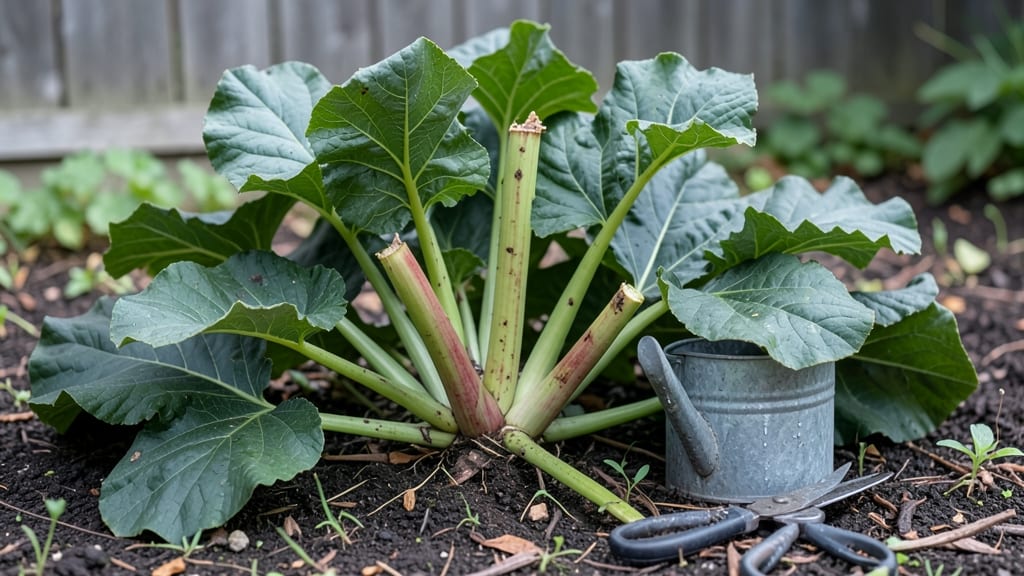
Rhubarb plant problems like yellow leaves and stunted growth can turn your garden from lush to lackluster faster than you think. I’ve wrestled with these issues myself—especially after that brutal summer when my rhubarb crowns looked more sad than productive.
The good news? Most problems have quick fixes, and knowing the root cause (literally) saves you from replacing plants you love.
Yellow leaves often signal overwatering or nutrient deficiencies, while stunted growth usually means poor soil or crowded roots. I learned the hard way that rhubarb hates soggy feet—my plants revived after I amended the soil with compost and adjusted my watering schedule to once a week unless it rains.
Slugs and aphids also love rhubarb, but a neem oil spray or diatomaceous earth keeps them off without harsh chemicals.
By the end of the season, you’ll see vibrant green leaves, sturdy stalks, and plants that keep producing for years—not just one disappointing harvest. The key is acting fast: prune dead leaves, feed the soil, and monitor pests before they take over. Let’s get your rhubarb back on track.
Works for both in-ground and container-grown rhubarb, and the same fixes apply whether you’re dealing with young plants or established crowns. No need for complicated tools—just a trowel, some compost, and a little patience. Here’s exactly how to diagnose and fix the most common issues.
Root Causes Of Rhubarb Struggles
Rhubarb plants, with their vibrant stems and hardy nature, can still fall victim to a variety of issues that disrupt their growth. Understanding the why behind these problems is the first step to restoring your rhubarb to its vibrant best.
Let’s dig into the science and environmental factors that trigger common rhubarb plant problems.
Rhubarb thrives in well-draining soil, but when water pools around its roots, it creates a suffocating environment. Overwatering or heavy clay soil can lead to:
- Root rot: Excess moisture cuts off oxygen to the roots, causing them to suffocate and rot. Fusarium and Phytophthora fungi thrive in these conditions, further weakening the plant.
- Yellowing leaves: A classic sign of root stress, as the plant struggles to transport nutrients and water efficiently.
- Stunted growth: The plant diverts energy to surviving rather than producing new stalks.
Why it happens: Rhubarb’s native habitat in temperate climates means it prefers moderate moisture but hates soggy soil. If your garden retains water (like in low-lying areas or after heavy rain), the roots can’t breathe, leading to these symptoms.
Rhubarb is a heavy feeder, meaning it demands a steady supply of nutrients to grow strong stalks. When soil lacks key elements, the plant shows distress through:
- Yellow leaves (chlorosis): Often a sign of iron, magnesium, or nitrogen deficiency, where the plant can’t produce enough chlorophyll.
- Purple or red stems: A classic indicator of phosphorus deficiency, though it can also signal potassium issues.
- Slow growth or small stalks: Insufficient nitrogen limits leaf and stalk production.
Why it happens: Rhubarb depletes soil nutrients quickly, especially in the first few years of growth. If you haven’t amended the soil with compost or fertilizer, the plant may not get enough:
- Nitrogen (N): Essential for leaf and stalk development.
- Phosphorus (P): Supports root and flower development.
- Potassium (K): Helps with disease resistance and water regulation.
- Micronutrients (Fe, Mg, Zn): Critical for chlorophyll production and overall health.
Soil pH also plays a role—rhubarb prefers slightly acidic to neutral soil (pH 6.0–7.0). If the pH is too high (alkaline), iron becomes unavailable, even if it’s present in the soil.
Rhubarb isn’t immune to pests and pathogens, which can weaken the plant or directly feed on its tissues. Common culprits include:
- Japanese beetles: These pests chew on leaves, reducing the plant’s ability to photosynthesize.
- Rhubarb curculio (weevil): Larvae bore into stalks, causing them to rot or become deformed.
- Fungal diseases (rust, leaf spot): Overhead watering or humid conditions encourage Puccinia (rust) or Alternaria (leaf spot), which discolor leaves and weaken stalks.
- Viral infections (e.g., rhubarb mosaic): Spread by aphids, these cause mottled leaves and stunted growth.
Why it happens: Pests and diseases exploit stressed plants. If your rhubarb is already struggling from poor soil, drought, or overcrowding, it becomes an easier target. Additionally:
- Japanese beetles are attracted to healthy, lush foliage.
- Fungal spores thrive in high humidity and poor air circulation.
- Weevils lay eggs in the soil, and their larvae attack young stalks.
Rhubarb is hardy but still sensitive to extreme conditions. When exposed to:
- Drought: Leads to wilting, crispy leaf edges, and stunted growth as the plant conserves water.
- Heatwaves: Causes leaf scorch (brown, crispy edges) and bolting (premature flowering), which weakens stalk production.
- Frost damage: Young leaves can turn black or develop brown spots if exposed to late spring frosts.
- Windburn: Strong winds dry out leaves, leading to brown or papery textures.
Why it happens: Rhubarb prefers cool to moderate temperatures (50–75°F / 10–24°C). When conditions stray too far from this range:
- Drought triggers osmotic stress, forcing the plant to close stomata (pores) and halt growth.
- Heat stress disrupts photosynthesis, leading to oxidative damage in leaves.
- Frost ruptures cell membranes, causing necrosis (dead tissue).
- Wind increases transpiration rates, drying out leaves faster than roots can replace moisture.
Rhubarb needs the right conditions from day one. If planted incorrectly, it can struggle with:
- Shallow root systems: If the crown is buried too deep, roots suffocate, leading to poor nutrient uptake.
- Overcrowding: Rhubarb spreads via corms, and too many plants competing for space result in smaller stalks and weak growth.
- Competing weeds: Rhubarb is slow to establish; weeds steal nutrients and water, stunting its development.
- Excessive shade: While it tolerates partial shade, deep shade reduces photosynthesis, leading to pale, weak stalks.
Why it happens: Rhubarb’s perennial nature means it forms a deep taproot system over time. If planted:
- Too shallow, the crown can rot or dry out.
- Too close together, roots compete for resources, leading to nutrient starvation.
- In low-light areas, the plant can’t produce enough energy for robust growth.
Quick Fixes for Common Rhubarb Issues
Now that you know the root causes behind your rhubarb’s struggles—whether it’s yellowing leaves, stunted growth, or pesky pests—let’s turn things around with practical, step-by-step solutions. Below, we’ve mapped out cause-specific fixes to revive your plants and keep them thriving. Plus, we’ll share prevention tips to avoid future headaches.
🔥 Overwatering or Poor Drainage?
If your rhubarb’s leaves are yellowing or drooping, root rot might be the culprit. Overwatering or soggy soil suffocates roots, cutting off nutrients.
How to Fix It:
- 👨🍳 Step 1: Check the Soil – Stick your finger 2 inches into the soil. If it’s damp, hold off on watering. Rhubarb prefers well-draining soil and only needs water when the top inch feels dry.
- 🔪 Step 2: Improve Drainage – If your soil is heavy clay, mix in compost or sand to loosen it up. Consider planting rhubarb in a raised bed if drainage is chronically poor.
- ⏰ Step 3: Adjust Watering Habits – Water deeply once a week (or less in rainy seasons) and avoid overhead sprinkling, which can promote fungal diseases.
💡 Prevention Tip: Plant rhubarb in full sun (6+ hours daily) and never let it sit in standing water. Mulch around the base (but not touching the crown) to retain moisture without suffocating roots.
🌡️ Underwatering or Heat Stress?
Brown, crispy leaf edges or wilting despite moist soil? Your rhubarb might be thirsty or struggling with heat stress.
How to Fix It:
- 💦 Step 1: Water Deeply – Give the plant 1–2 inches of water per week, either from rainfall or manual watering. Use a soaker hose to deliver water directly to the roots.
- 🌿 Step 2: Provide Shade (Temporarily) – If temperatures exceed 85°F (29°C), shield young plants with shade cloth for a few hours a day to prevent scorching.
- 🍃 Step 3: Trim Damaged Leaves – Snip off brown or crispy leaves to redirect energy to healthy growth.
💡 Prevention Tip: Mulch heavily (3–4 inches of straw or wood chips) to lock in moisture and regulate soil temperature. Avoid planting rhubarb in low-lying areas where heat collects.
🍳 Nutrient Deficiency (Especially Nitrogen or Magnesium)
If your rhubarb is slow-growing or producing tiny, weak stalks, it’s likely starving for key nutrients.
How to Fix It:
- 🌱 Step 1: Test Your Soil – Grab a DIY soil test kit (or send a sample to your local extension office) to check pH and nutrient levels. Rhubarb thrives in slightly acidic to neutral soil (pH 6.0–7.0).
- 💪 Step 2: Feed with the Right Fertilizer
- For nitrogen (green leafy growth): Apply a balanced fertilizer (10-10-10) in early spring.
- For magnesium (yellowing between veins): Sprinkle Epsom salt (1 tbsp per gallon of water) every 4–6 weeks.
- For overall health: Work in compost or well-rotted manure in the fall.
- ✨ Step 3: Avoid Over-Fertilizing – Too much nitrogen can lead to leafy growth at the expense of stalks. Stick to moderate feeding (2–3 times per season).
💡 Prevention Tip: Rotate crops—never plant rhubarb in the same spot for more than 3–4 years to prevent nutrient depletion. Plant it near companion plants like beans or peas, which add nitrogen to the soil.
🐛 Pest Infestations (Aphids, Japanese Beetles, or Crown Borers)
Chewed leaves, sticky residue (honeydew), or holes in stalks? Pests are likely sucking the life out of your rhubarb.
How to Fix It:
- 🐜 Step 1: Identify the Pest
- Aphids: Tiny green/black bugs clustering on new growth.
- Japanese Beetles: Bronze beetles with white tufts, chomping leaves.
- Crown Borers: Small holes at the base of stalks (sign of larvae).
- 🛡️ Step 2: Remove Pests Manually
- Aphids: Blast them off with a strong spray of water or wipe leaves with soapy water (1 tsp mild soap per quart of water).
- Japanese Beetles: Handpick and drop into soapy water (they’re attracted to bright colors—wear yellow to spot them!).
- Crown Borers: Dig up the plant, prune away damaged areas, and treat with neem oil (see below).
- 🌿 Step 3: Use Organic Sprays
- Neem oil (1 tsp + 1 tsp soap per quart of water) – Spray every 7–10 days to deter pests.
- Kaolin clay – Creates a protective barrier on leaves (great for Japanese beetles).
- Beneficial insects – Release ladybugs or lacewings to eat aphids naturally.
💡 Prevention Tip: Encourage predators like birds and parasitic wasps by planting native flowers nearby. Remove plant debris in fall to eliminate overwintering pests.
If your rhubarb’s crown is mushy, stalks are hollow, or the plant topples easily, root rot has set in. Act fast!
How to Fix It:
- 🔪 Step 1: Dig Up & Inspect – Gently remove the plant and trim away black, slimy roots with sterilized shears.
- 🧼 Step 2: Disinfect the Crown – Soak healthy roots in a 1:10 bleach-water solution (1 part bleach to 10 parts water) for 10 minutes, then rinse.
- 🌱 Step 3: Repot or Replant – Place the cleaned crown in a fresh pot with sterile potting mix (or replant in well-draining soil with a 1-inch layer of gravel at the bottom).
- 💧 Step 4: Adjust Care – Water lightly (only when soil is dry) and avoid mulching too close to the crown.
💡 Prevention Tip: Never plant rhubarb in soggy soil—choose elevated beds or containers with drainage holes. Rotate crops to prevent fungal buildup.
Final Pro Tip: 🎯 Be patient! Rhubarb is a perennial, meaning it can take 2–3 years to fully recover from stress. Once established, it’ll reward you with bold, juicy stalks for decades—if you give it the right care now.
Frequently asked questions about rhubarb plant problems
Why are my rhubarb leaves turning yellow?
Yellow leaves usually signal overwatering or nutrient deficiencies. Check soil moisture first—rhubarb prefers well-draining soil and only needs water when the top inch feels dry. If the soil is damp, reduce watering. For nutrient issues, test your soil and amend with compost or a balanced fertilizer (10-10-10). Yellowing between veins often indicates a magnesium deficiency, which Epsom salt (1 tbsp/gallon) can fix.
How do I prevent rhubarb crown rot?
Crown rot thrives in soggy soil, so plant rhubarb in raised beds or containers with drainage holes. Avoid overhead watering and mulch 3-4 inches away from the crown. If you suspect rot, dig up the plant, trim away mushy roots, and replant in fresh, sterile soil. Always water at the base, never the leaves, to prevent fungal spread.
What should I do if my rhubarb stalks are small and weak?
Small stalks often mean poor soil nutrition or overcrowding. Feed your plant with compost or a low-nitrogen fertilizer (too much nitrogen makes leaves, not stalks). Thin out overcrowded plants by dividing the crown every 3-4 years. Also ensure full sun (6+ hours daily)—shady spots weaken stalk development. A phosphorus-rich fertilizer in early spring can boost root and stalk growth.
Are Japanese beetles harmful to rhubarb?
Yes, Japanese beetles can devastate rhubarb leaves by chewing on them, reducing photosynthesis. Handpick beetles and drop them in soapy water, or use kaolin clay as a protective barrier. For severe infestations, spray with neem oil (1 tsp + 1 tsp soap per quart of water) every 7-10 days. Planting native flowers nearby attracts beneficial predators like ladybugs and lacewings.
Can I still harvest rhubarb if it has pests or diseases?
Harvesting is generally safe if only the leaves are affected, but avoid eating stalks with visible damage (like holes from crown borers) or fungal spots. For pests like aphids, wash stalks thoroughly before cooking. If the plant has mushy crowns or blackened roots, discard it immediately to prevent spreading. Always inspect stalks for hollow centers or discoloration before using.