
Companion Plants
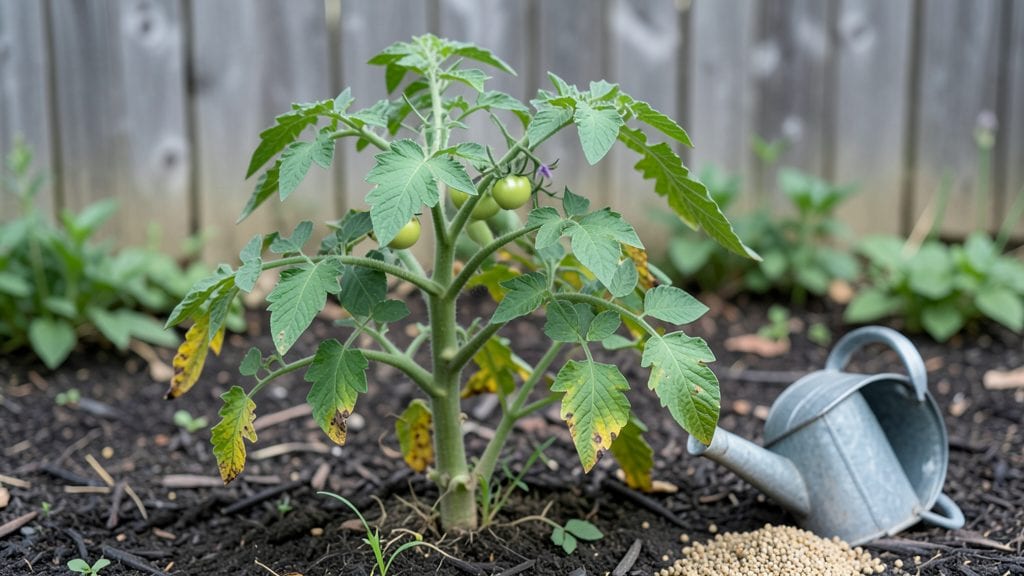
Every gardener’s nightmare starts with a single wilting leaf—until you learn the right companion plants can turn those problems into easy fixes. 🌱 I’ve saved my own struggling plants with simple pairings that deter pests, improve soil, and boost growth without chemicals.
The secret isn’t complicated: nature already knows how to solve these issues.
Take aphids, for example—they’ll abandon your roses if you plant marigolds nearby. Or yellowing leaves? Nasturtiums next to your brassicas attract pollinators and repel cabbage moths.
These aren’t just guesses; they’re proven pairings that work even for beginners. No more losing plants to common stressors like poor soil or hungry insects.
You’ll end up with a garden that thrives effortlessly—less work, more blooms, and fewer headaches. The best part? These solutions fit any space, from containers to full beds. Let’s get your plants back on track without the guesswork.
Whether it’s wilting, pests, or stunted growth, the right neighbors make all the difference. Here’s how to pair plants for a foolproof fix every time.
Root Causes Of Plant Struggles
Understanding why plants develop issues is the first step to fixing them—and companion planting can often be the solution. Let’s break down the most common culprits behind plant problems, from environmental stressors to biological threats, and why they happen in the first place.
Plants are sensitive to temperature extremes, and sudden shifts can disrupt their cellular functions. Overheating occurs when plants absorb too much sunlight without adequate hydration, causing wilting, leaf scorch, or even death.
This happens because excess heat increases transpiration (water loss through leaves) faster than roots can replenish it, leading to water deficit stress.
- Why it happens:
- Direct sunlight (especially in hot climates) raises leaf temperatures beyond 95°F (35°C), damaging cell membranes.
- Poor soil moisture retention (sandy or dry soils) worsens dehydration.
- Lack of shade prevents plants from regulating their temperature naturally.
Freezing stress, on the other hand, triggers cold damage when temperatures drop below a plant’s tolerance level. Ice crystals form in plant cells, rupturing them and causing blackened leaves, stunted growth, or dieback. Some plants (like tropical varieties) are particularly vulnerable because they lack antifreeze proteins that hardy species produce.
- Why it happens:
- Sudden frost disrupts metabolic processes, halting nutrient uptake.
- Wind exposure accelerates heat loss, making plants more susceptible.
- Poor drainage leads to soil heaving (freeze-thaw cycles pushing roots out of the ground).
Companion planting fix: Shade-tolerant plants (like basil or lettuce) can protect heat-sensitive crops (e.g., tomatoes or peppers) from scorching. Meanwhile, windbreaks (such as corn or sunflowers) shield delicate plants from frost damage.
Water is essential, but improper hydration—whether from overwatering or drought—disrupts a plant’s ability to absorb nutrients and perform photosynthesis.
- Overwatering:
- Root rot develops when soil stays waterlogged, cutting off oxygen to roots. Fungal pathogens (like Phytophthora) thrive in soggy conditions, clogging root tissues and preventing water/nutrient uptake.
- Why it happens:
- Poor drainage (compacted or clay-heavy soils) traps excess water.
- Overzealous irrigation (especially with automatic systems) drowns roots.
- Container plants without drainage holes suffer from stagnant water.
- Underwatering (Drought Stress): - Plants wilt as turgor pressure (cell rigidity from water) drops.
Chronic dehydration leads to leaf drop, stunted growth, or necrosis. - Why it happens: - Shallow root systems (common in young or container plants) can’t reach deep moisture. - High evaporation rates (in hot, dry, or windy conditions) outpace root absorption. - Salty or alkaline soils bind water molecules, making them inaccessible to plants.
Companion planting fix:
- Drought-resistant companions (e.g., marigolds or nasturtiums) improve soil moisture retention by reducing evaporation.
- Deep-rooted plants (like comfrey or dandelions) act as "living mulches," drawing up water and nutrients for shallow-rooted crops.
Pests and pathogens don’t just attack—they exploit weakened plants or ideal environmental conditions. Understanding their triggers helps prevent outbreaks.
- Pests (Aphids, Whiteflies, Caterpillars):
- Why they thrive:
- Soft, tender leaves (common in young or stressed plants) are easy targets.
- Warm, humid climates speed up pest reproduction cycles.
- Monoculture planting (growing the same crop repeatedly) attracts specialized pests with fewer natural predators.
- Why they thrive:
- Fungal Diseases (Powdery Mildew, Blight):
- Why they spread:
- High humidity + poor airflow creates the perfect breeding ground for spores.
- Wet foliage (from overhead watering) traps moisture, encouraging fungal growth.
- Weakened plants (due to nutrient deficiencies or stress) have lower resistance.
- Why they spread:
- Bacterial Infections (Bacterial Spot, Soft Rot):
- Why they persist:
- Open wounds (from pruning, hail, or pest damage) provide entry points.
- Contaminated tools or water spreads bacteria between plants.
- Cool, wet conditions (like early spring) slow plant recovery.
- Why they persist:
Companion planting fix:
- Repellent plants (e.g., garlic, chives, or thyme) deter pests with strong aromas.
- Trap crops (like nasturtiums for aphids) lure pests away from main crops.
- Airflow-improving companions (e.g., corn or tall sunflowers) reduce humidity around low-growing plants, preventing fungal spread.
Plants need 16 essential nutrients, but imbalances—whether from deficiencies or excesses—can stunt growth or cause yellowing, browning, or distorted leaves.
- Common Deficiencies:
- Nitrogen (N) deficiency: Leads to pale green or yellow leaves (chlorosis) because nitrogen is critical for chlorophyll production. Why it happens: Leaching in sandy soils or overwatering washes it away.
- Potassium (K) deficiency: Causes weak stems, brown leaf edges, or poor fruit development. Why it happens: Excessive nitrogen fertilization outcompetes potassium uptake.
- Magnesium (Mg) deficiency: Results in interveinal yellowing (between leaf veins) because magnesium is central to chlorophyll structure. Why it happens: Acidic soils bind magnesium, making it unavailable.
- Toxicities:
- Excess salt (from fertilizers or poor-quality water) causes leaf burn by disrupting cellular processes.
- Aluminum toxicity (in acidic soils) stunts root growth, turning leaves purple or blue. Why it happens: Low pH releases aluminum, which blocks nutrient absorption.
- Boron excess leads to crinkled leaves or stunted growth. Why it happens: Over-fertilization or irrigation with boron-rich water.
Companion planting fix:
- Nitrogen-fixers (like clover or beans) add nitrogen to the soil naturally.
- Calcium-rich companions (e.g., comfrey) improve soil structure and reduce aluminum toxicity.
- Deep-rooted plants (such as alfalfa) bring up nutrients from lower soil layers, benefiting shallow-rooted crops.
Healthy soil is the foundation of thriving plants, but compacted, depleted, or chemically unbalanced soil creates a hostile growing environment.
- Compacted Soil: - Why it happens: Heavy foot traffic, machinery, or clay-heavy soils crush soil particles, reducing aeration and drainage.
Roots struggle to penetrate, leading to poor nutrient uptake and stunted growth. - Solution: Companion plants like deep-rooted grasses (e.g., rye or buckwheat) loosen soil naturally.
- pH Imbalances:
- Acidic soil (pH < 6.0): Locks out phosphorus and calcium, causing yellowing leaves or blossom end rot.
- Alkaline soil (pH > 7.5): Reduces iron, manganese, and zinc availability, leading to chlorosis.
- Why it happens: Natural soil composition, overuse of lime (raises pH) or sulfur (lowers pH), or poor organic matter.
- Poor Organic Matter:
- Why it happens: Lack of compost, mulch, or decomposed plant material depletes soil of microorganisms and nutrients. Over time, soil becomes barren and hydrophobic (repels water).
- Solution: Living mulches (e.g., clover or vetch) add organic matter as they decompose.
Key Takeaway: Most plant problems stem from environmental mismatches—whether it’s temperature, water, pests, or soil. By strategically pairing plants, you can mitigate stress, improve resilience, and create a balanced ecosystem where each companion addresses a specific weakness.
Next, we’ll explore the best companion pairs to tackle these issues head-on!
Quick Fixes for Plant Struggles
When your garden’s green friends start looking less than thriving, the good news is that most issues have simple, effective solutions—especially when you harness the power of companion planting. Below, we’ve mapped out practical fixes for common plant problems, paired with prevention tips to keep your garden flourishing long-term.
Think of these as your plant’s first-aid kit, but with a side of natural harmony.
Cause: Nitrogen lack, iron deficiency, or soggy roots. Fix:
- For nitrogen deficiency (pale yellow leaves): Plant clover or alfalfa nearby to naturally enrich the soil with nitrogen. Add a handful of composted manure or worm castings around the base.
💡 Pro Tip: Avoid synthetic fertilizers—they can burn roots. Instead, top-dress with aged compost every 4-6 weeks.
- For iron deficiency (yellow leaves with green veins): Pair your plant with spinach, Swiss chard, or beans—these companions help mobilize iron in the soil. Sprinkle chelated iron (or used coffee grounds) around the roots.
✨ Prevention: Test your soil’s pH (aim for 6.0–7.0). Acid-loving plants like tomatoes need slightly acidic soil.
- For overwatering (yellow, mushy leaves): Move the plant to a well-draining spot and add sand or perlite to heavy soil. Plant marigolds or nasturtiums nearby—they improve drainage and deter fungal diseases.
Cause: Weak plants attract pests, or monocultures create pest paradises. Fix:
- Aphids (sticky residue, curled leaves): Introduce ladybugs, lacewings, or parasitic wasps (order online or attract them with dill, fennel, or yarrow). Spray with neem oil (1 tbsp per quart of water) or soapy water (1 tsp mild soap per liter).
🎯 Prevention: Interplant garlic, chives, or rosemary—their strong scent repels aphids naturally.
- Spider mites (tiny webs, speckled leaves): Increase humidity with mulch or a nearby water feature. Spray plants with water + a drop of dish soap every 3 days. Plant basil, marigolds, or tansy nearby—they deter mites.
🔥 Hot Tip: Mites hate airflow! Prune crowded foliage to improve circulation.
- Caterpillars (chewed leaves, frass): Handpick them (drop into soapy water) or invite praying mantises or parasitic nematodes. Plant basil, thyme, or wormwood—these act as natural pest barriers.
🌡️ Prevention: Avoid late-night watering (keeps foliage damp, inviting pests). Use row covers for young plants.
Cause: Poor airflow, excess moisture, or contaminated soil. Fix:
- Powdery mildew (white powdery coating): Improve airflow by spacing plants 12–18 inches apart. Spray with a baking soda mix (1 tsp baking soda + 1 quart water + a drop of soap). Plant chives, garlic, or oregano nearby—they inhibit fungal spores.
💡 Pro Tip: Water at the base (not overhead) and avoid evening watering.
- Root rot (wilting, brown stems, foul smell): Dig up the plant, trim black/mushy roots, and repot in fresh, sterile soil with perlite or vermiculite. Plant thyme, sage, or lavender nearby—they improve soil health and deter pathogens.
✨ Prevention: Use raised beds or containers for heavy clay soil. Add composted bark to improve drainage.
Cause: Compacted soil, lack of organic matter, or aggressive neighbors. Fix:
- Compacted soil: Loosen the soil with a garden fork and mix in compost or coconut coir. Plant deep-rooted companions like comfrey or dandelions to aerate naturally.
🔥 Hot Tip: Avoid walking on garden beds—it compacts soil over time.
- Competition from weeds or invasive plants: Mulch with straw or wood chips to block weeds. Plant cover crops like clover or buckwheat in empty spaces—they suppress weeds and feed the soil.
🎯 Prevention: Rotate crops yearly to prevent soil depletion.
- Boost weak plants: Feed with compost tea (steep compost in water for 24 hours, strain, and dilute 1:5 with water).
- Encourage pollinators: Plant borage, sunflowers, or alyssum—they attract bees and beneficial insects that keep pests in check.
- Seasonal checkup: Every spring, prune dead growth, test soil, and rotate crops to prevent buildup of diseases.
With these companion-powered fixes, your plants will bounce back faster—and stay healthier for seasons to come. The key? Observe, intervene early, and let nature’s teamwork do the heavy lifting. 🌿✨
Frequently asked questions
Why do my plants suddenly develop yellow leaves even with regular watering?
Yellow leaves usually signal nutrient deficiencies (like nitrogen or iron) or overwatering. Check soil moisture—soggy roots block oxygen, causing root rot. Try pairing with clover (nitrogen-fixer) or spinach (iron mobilizer) while improving drainage with sand or perlite.
Can companion plants really stop pests like aphids without chemicals?
Plants like garlic, chives, or rosemary repel aphids with their scent, while nasturtiums act as trap crops. For severe infestations, introduce ladybugs or lacewings—they eat aphids naturally. Start with these companions to break pest cycles early.
What’s the fastest way to fix compacted soil in my garden?
Loosen soil with a garden fork and mix in compost or coconut coir. Plant deep-rooted companions like comfrey or dandelions to aerate naturally over time. Avoid walking on beds to prevent further compaction.
How do I know if my plant has a fungal disease like powdery mildew?
Look for white powdery spots on leaves or stems—this is powdery mildew. Improve airflow by spacing plants 12–18 inches apart and spray with a baking soda mix (1 tsp baking soda + 1 quart water). Plant chives or oregano nearby to inhibit spores.
Are there companion plants that help with both pests AND soil health?
Yes! Marigolds deter pests like nematodes while improving soil structure. Basil repels flies and mosquitoes while attracting pollinators. For heavy clay soil, comfrey breaks up compaction and adds nutrients. These multi-taskers solve two problems at once!