
Companion Plants
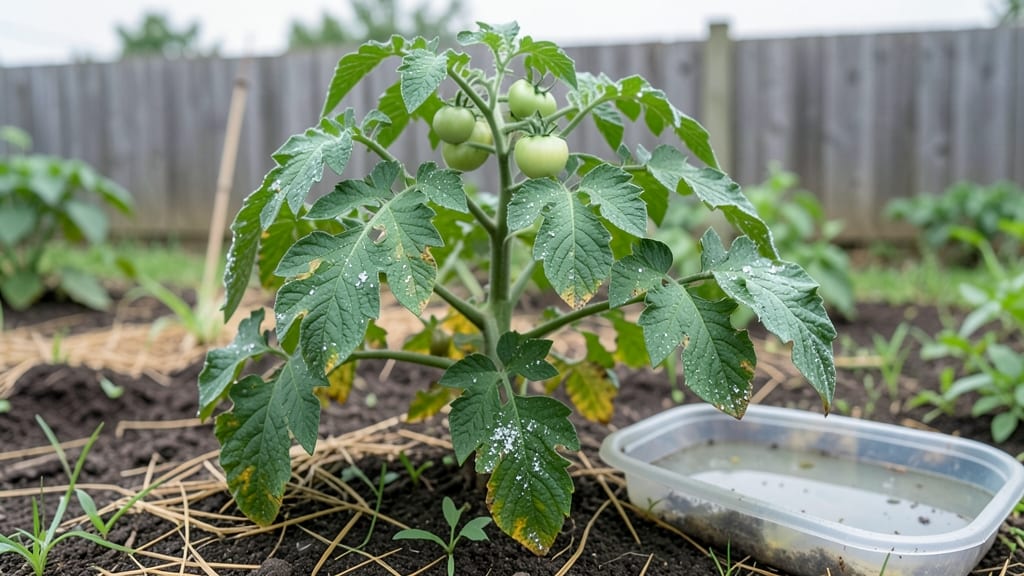
After hail damaged plants left my garden looking like a battlefield, I discovered companion plant shields could revive them faster than you’d imagine—even turning flattened tomato plants into lush summer survivors. 🌱 with the right support.
The key isn't just pruning; it's creating a microclimate that protects new growth while letting damaged plants heal.
Start by assessing the damage: broken stems need staking, torn leaves can be pruned back to healthy growth, and bruised fruit should be removed to save the plant's energy.
For vegetables like peppers or tomatoes, wrap stems in soft fabric or use bamboo stakes to shield them from wind and sun. Flowers and shrubs benefit from temporary shade cloth until they recover their structure.
Within just two weeks, you'll notice new shoots pushing through, and by mid-summer, your plants will look like they never took a hit. The trick is combining physical support with strategic companion planting—fast-growing vines or leafy greens can act as living shields while your damaged plants rebuild.
This works for everything from backyard veggie patches to prized roses, and it's especially effective in regions where hail strikes are unpredictable. Let's get those plants back on track before the next storm rolls in.
What Triggers Plant Trauma
When hail pummels your garden, it’s not just a random act of nature—it’s a high-impact collision between frozen precipitation and delicate plant structures. Understanding the why behind the damage helps you predict, prevent, and recover faster. Here’s a breakdown of the key forces at play:
Hailstones are tiny missiles with surprising destructive power. Their speed (often 50–100 mph or faster) converts into kinetic energy upon impact, measured by the formula:
Kinetic Energy (KE) = 0.5 × mass × velocity²Even a pea-sized hailstone (0.5 inches, ~1 gram) traveling at 60 mph packs 0.03 joules of force—enough to rupture plant cell walls.
Larger hail (1+ inches) delivers 10x more energy, shredding leaves, stems, and even bark. Thin-skinned plants (like tomatoes or squash) suffer immediate plasma membrane damage, causing cells to leak sap and wilt.
Hail often arrives with sub-freezing temperatures, creating a double whammy:
- Instant cold stress: Water inside plant cells expands as it freezes, bursting cell walls (like an overfilled balloon). This triggers oxidative stress, where reactive oxygen species (ROS) damage DNA and chlorophyll.
- Stomatal closure: Plants seal pores to retain moisture, but this cuts off gas exchange, starving roots of oxygen and halting photosynthesis. Without sunlight, damaged leaves turn yellow or brown within 24–48 hours.
Pro tip: 🌡️ Evergreens (e.g., boxwoods, pine) are more vulnerable because their waxy cuticles don’t insulate like broadleaf plants’ thicker epidermis.
Hailstorms rarely strike alone—they’re paired with gusty winds (30–70 mph) that act like a sandblaster:
- Physical abrasion: Wind hurls debris (hail, dirt, broken branches) against plants, scraping off cuticles (the plant’s protective skin). Without this barrier, fungal/bacterial infections (like Botrytis) move in within 3–5 days.
- Stem snapping: Flexible vines (e.g., cucumbers, beans) may whip violently, causing internal fiber tears. Woody plants (e.g., fruit trees) can split bark, exposing xylem to air and blocking water transport.
Actionable insight: 🌿 Tall, top-heavy plants (corn, sunflowers) are most at risk—their wide canopies act as sails, increasing wind exposure.
Hail’s impact doesn’t stop at the leaves—it vibrates the soil, compacting it and disrupting root zones:
- Reduced aeration: Compacted soil traps CO₂ and blocks oxygen, suffocating roots. Without O₂, roots can’t respire, leading to anaerobic conditions (think: root rot).
- Nutrient cutoff: Hail can sever fine root hairs (critical for water/nutrient uptake), causing wilting even if leaves look intact.
Data point: 📊 Studies show 30–50% of hail damage is underground—plants may look fine above ground but collapse weeks later due to root failure.
Hail damage rarely stands alone. These follow-up stressors turn a bad storm into a catastrophe:
| Stressor | How It Worsens Damage |
|---|---|
| Sunburn (bright light post-storm) | Exposed cell walls absorb UV rays, causing bleaching (white/yellow patches). |
| Pests (aphids, spider mites) | Damaged plants release stress signals that attract pests. Sap leaks become a buffet. |
| Herbivores (deer, rabbits) | Stressed plants taste sweeter due to increased sugar production (a survival mechanism). |
| Heatwaves (post-hail drying) | Transpiration skyrockets as plants try to cool down, dehydrating already weakened tissues. |
Key takeaway: ✨ Hail damage is a domino effect—address the primary impact (physical trauma) before secondary stressors finish the job.
Revive & Protect Your Plants Now
Hail can leave your garden looking like a war zone, but with the right steps, you can nurse damaged plants back to health—and even shield them from future storms. Below, we’ve mapped out practical solutions based on the type of damage, plus prevention tips to keep your greenery safe. Let’s get growing!
Before jumping into fixes, inspect your plants closely. Look for:
- Broken stems or branches (🔪 snip with clean pruners)
- Torn or punctured leaves (🍃 remove entirely if severely damaged)
- Exposed or bruised fruit/flowers (🍓 harvest if edible; discard if spoiled)
Pro Tip: Wear gloves—some plants (like stinging nettles) can irritate skin after hail damage! ✨
Hail weakens plants by creating entry points for pests and diseases. Act fast with these protective measures:
🔹 For Leaf & Stem Damage
| Damage Type | Fix It Fast | Prevention Tip |
|---|---|---|
| Punctured leaves | Spray with neem oil (1 tsp/quart water) to deter fungal growth. 🌡️ | Plant companion shields like marigolds (repel pests) or basil (strengthens nearby herbs). |
| Broken stems | Prop up with stakes or cages (use soft ties to avoid further injury). 🏗️ | Train vines on trellises before storms—less surface area = less hail impact. |
| Defoliated plants | Mulch heavily with straw or wood chips to retain moisture and protect roots. 🌱 | Choose low-growing, bushy plants (e.g., thyme, oregano) that take hail better than tall, spindly ones. |
🔹 For Root & Soil Compaction
Hail can also compact soil, cutting off water and air flow:
- 🔥 Loosen soil with a fork or tiller (gently!) to aerate roots.
- 👨🍳 Water deeply (1–2 inches) to help recovery—dry soil worsens shock.
- 🥘 Add compost to boost nutrients for healing.
Pro Tip: If your garden has heavy clay soil, mix in sand or perlite to improve drainage before the next storm. 💡
An ounce of prevention is worth a pound of pruning! Try these low-effort, high-impact strategies:
🌡️ Physical Barriers
- Row covers (lightweight fabric) over tender plants during forecasts.
- Windbreaks (bamboo screens or hedges) to reduce hail speed near your garden.
- Cloche domes for seedlings—like tiny umbrellas for your plants! ☔
🎯 Smart Plant Placement
- Group plants in clusters—taller varieties in the center, shorter ones on the edges (less exposed).
- Avoid monocultures (e.g., one big tomato patch)—diverse plants recover faster.
- Choose hail-resistant varieties like:
- Vegetables: Okra, sweet potatoes, Swiss chard.
- Flowers: Zinnias, cosmos, black-eyed Susans.
🔥 Companion Plant Shields
Some plants act as natural bodyguards against hail and pests:
- Corn + Beans + Squash (the "Three Sisters" method)—corn stalks break hail force, beans fix nitrogen, and squash shades roots.
- Rosemary + Lavender near tomatoes—their strong scent deters hail-attracting insects.
- Sunflowers as "sacrificial" windbreaks—they take the hit first!
Pro Tip: If you’re in a hail-prone area, rotate crops yearly to prevent soil exhaustion from repeated damage. ✨
With these steps, your hail-battered plants will bounce back stronger—and your garden will be storm-ready next time. Now grab those shears and get to work! 🌱💪
Frequently asked questions about storm-battered gardens
How do I tell if my plants are salvageable after hail?
Check for green growth beneath damaged areas—if you see new shoots or buds, the plant can recover. For woody plants, look for cambium layer (green ring under bark) still intact. If stems snap easily or leaves feel mushy, it’s likely beyond saving. Focus on keeping roots hydrated while new growth appears.
Can I still harvest fruit from plants hit by hail?
Only harvest intact, unbruised fruit—damaged produce will spoil faster and attract pests. For tomatoes or peppers, remove punctured fruit immediately to redirect the plant’s energy to new growth. If the fruit shows soft spots or oozing, compost it to prevent rot from spreading.
What’s the fastest way to protect plants before a hailstorm?
Use lightweight row covers or burlap sacks draped loosely over plants to break hail’s force. For delicate flowers, create a DIY shield with PVC pipes and plastic sheeting. If you have time, water plants deeply before the storm—hydrated cells are less likely to rupture.
Will my lawn recover from hail damage?
Yes, but it needs extra care. Rake up debris and aerate compacted soil to help roots breathe. Overseed bare patches with fast-growing grass (like ryegrass) and avoid heavy foot traffic until new growth appears. Fertilize lightly to support recovery without stressing the lawn.
How do I know if my tree has suffered internal damage?
Look for splintered bark, oozing sap, or branches that hang unevenly. If the tree leans or has peeling bark, it may have internal cracks. Call an arborist if you’re unsure—some damage isn’t visible until the tree weakens months later.