
Plants
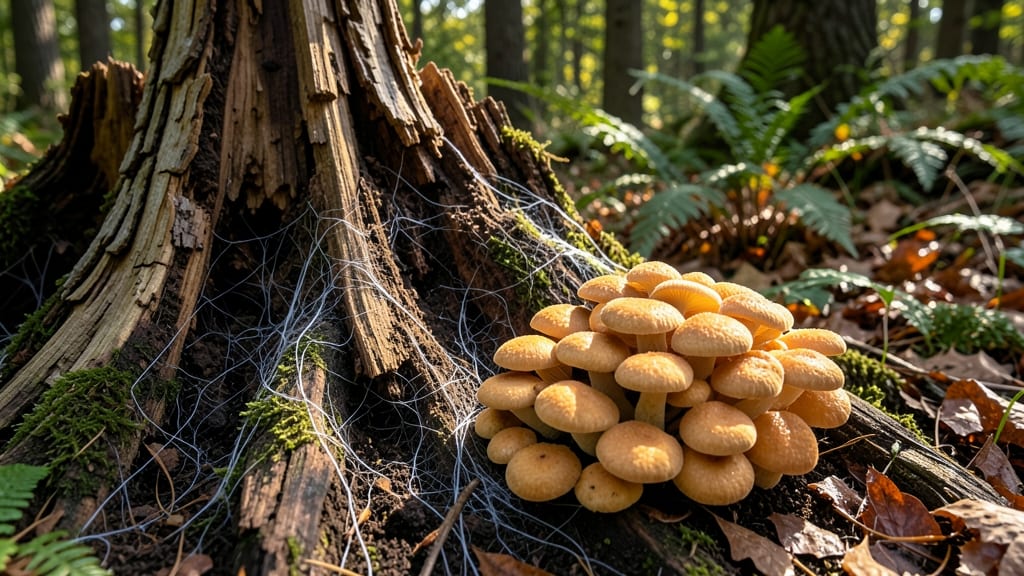
A plant fungus crossword puzzle blends garden pathology terms like rust, mildew, or blight with clues about symptoms (e.g., powdery coatings, leaf discoloration) or treatments (e.g., fungicides, pruning). Mastering Latin binomials (Alternaria solani, Erysiphe) and common abbreviations (e.g., _PM_ for powdery mildew) sharpens your solving skills.
A plant fungus crossword isn't just about memorizing terms—it's a test of how well you connect symptoms to diseases. 🌱 For example, a clue about "white powder on rose leaves" would point to powdery mildew (Erysiphe), while "black spots with yellow halos" screams Septoria leaf spot.
Many puzzles also play with Latin names, so breaking down Phytophthora infestans into "Phyto" (plant) and "phthora" (destroyer) helps crack the code. I've found that keeping a cheat sheet of common abbreviations—like VC (Verticillium wilt) or BSC (black stem canker)—saves time during tough clues.
💡 In This Article
- Common Plant Fungi in Crossword Puzzles
- How to Solve Plant Fungus Crossword Clues
Common plant fungi in crossword puzzles
Crossword puzzles often feature fungal diseases that target specific plants, each with distinctive symptoms and Latin names.
For instance, powdery mildew (Erysiphe) appears as white, powdery patches on leaves, while downy mildew (Peronospora) creates fuzzy, grayish growth on the undersides. Anthracnose (Colletotrichum) causes sunken, dark lesions on fruits and leaves, often seen in tomatoes and strawberries.
These diseases are frequently abbreviated in puzzles—like PM for powdery mildew or DM for downy mildew—to simplify clues.
The key to solving these clues lies in understanding the host plants and visual symptoms. For example, black spot (Diplocarpon rosae) affects roses, producing dark, circular spots with yellow halos, while rust (Puccinia) causes orange pustules on wheat or beans.
Latin binomials like Botrytis cinerea (gray mold) or Fusarium oxysporum (wilt diseases) often appear in clues, so breaking them down helps. Phytophthora infestans, for instance, translates to "plant destroyer," a clue hinting at its destructive nature.
Some fungal diseases have crossword-friendly nicknames or slang terms. Dutch elm disease (Ophiostoma) is often abbreviated as DED, while apple scab (Venturia) might be referenced as "apple rust." Root rot (Phytophthora) is another common term, often tied to waterlogged soil conditions.
These abbreviations and terms are designed to fit neatly into crossword grids, making them easier to spot when solving. For example, a clue like "Fungus causing wilting in tomatoes" would lead solvers to Fusarium wilt (FW).
Understanding the treatment methods can also help decode clues. Terms like copper spray, sulfur dust, or neem oil often appear in puzzles, especially when describing remedies for fungal infections.
For instance, powdery mildew is commonly treated with sulfur, while rust diseases might be managed with fungicides containing chlorothalonil. These treatments are frequently referenced in crossword clues to provide additional context.
Here are 15+ common fungal diseases you might encounter, along with their symptoms, host plants, and crossword-friendly abbreviations:
- Powdery mildew (PM): White powder on leaves; affects roses, grapes, and cucumbers.
- Downy mildew (DM): Fuzzy gray growth on leaf undersides; targets lettuce, spinach, and basil.
- Black spot (BS): Dark spots with yellow halos; attacks roses.
- Anthracnose (AN): Sunken lesions on fruits/leaves; common in tomatoes and strawberries.
- Rust (R): Orange pustules; affects wheat, beans, and hollyhocks.
- Gray mold (GM): Gray, fuzzy growth; caused by Botrytis cinerea.
- Verticillium wilt (VC): Yellowing leaves, wilting; targets tomatoes and potatoes.
- Fusarium wilt (FW): Vascular wilt; attacks watermelons and bananas.
- Dutch elm disease (DED): Wilting, browning leaves; affects elm trees.
- Apple scab (AS): Dark, scabby lesions; targets apples and pears.
- Root rot (RR): Soft, rotting roots; caused by Phytophthora.
- Septoria leaf spot (SL): Brown spots with gray centers; attacks tomatoes and celery.
- Phytophthora blight (PB): Water-soaked lesions; affects peppers and eggplants.
- Black stem canker (BSC): Blackened stems; targets sunflowers.
- Sclerotinia rot (SR): White mold; attacks lettuce and beans.
Mastering these terms and their abbreviations will give you a significant edge when tackling plant fungus crossword puzzles. 🌟