
Planting
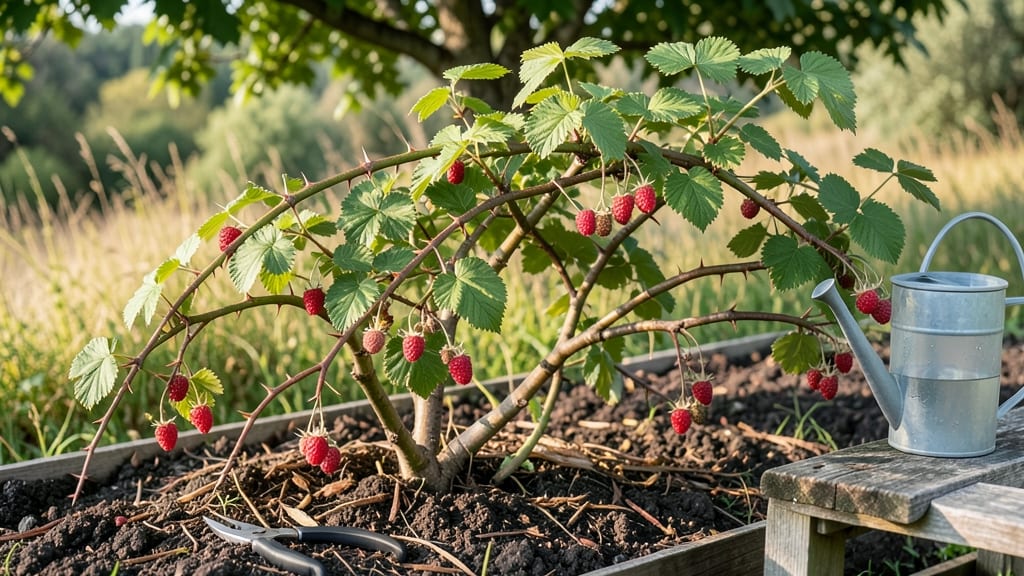
Managing raspberry plant size is the secret to bountiful harvests without a jungle of canes 🍓 — and the good news is, you don’t need a sprawling backyard to make it work.
If your raspberry bushes are sprawling uncontrollably and overtaking your garden, you’re not alone—many gardeners struggle with managing raspberry plant size without sacrificing yield. The good news? With the right pruning techniques and growing strategies, you can train raspberries into neat, compact bushes that produce more efficiently while saving space.
Standard varieties can reach 6 to 8 feet tall, while dwarf types stay under 4 feet, making them perfect for small gardens or containers.
Below, I’ll break down how to choose the right size for your space, prune for control, and even turn a raspberry patch into a tidy hedge or trellis system.
Ready to reclaim your garden corner? You’ll learn which varieties stay small naturally, when and how to prune for compact growth, and how to maximize fruit production in even the tightest layouts.
How raspberry plant size varies by variety and growing conditions
Raspberry plants come in a stunning range of sizes, from compact 2-foot varieties to towering 8-foot giants. The difference often boils down to two key factors: whether they're floricane-bearing (summer-fruiting) or primocane-bearing (everbearing), and how you manage their growing conditions.
Understanding these variations helps you choose the perfect raspberry for your space—whether you have a sprawling backyard or a tiny balcony container garden.
The natural growth habit of raspberries is heavily influenced by genetics. For example, Heritage raspberries stay naturally compact at just 3-4 feet tall, while Boyne Gold varieties can reach 6-7 feet without control.
Even within the same variety, pruning methods and soil fertility can dramatically alter plant size. Let’s explore how to match your garden’s conditions with the right raspberry type.
🌱
| Variety Type | Mature Height | Spread | Sun Needs | Climate Zones | Compact Notes |
|---|---|---|---|---|---|
| Floricane-bearing (Summer) | 5-7 ft | 3-5 ft | 6+ hours | 4-9 | Needs renewal pruning to stay compact |
| Primocane-bearing (Everbearing) | 4-6 ft | 2-4 ft | 5-6 hours | 5-8 | More naturally compact than floricane types |
| Dwarf Varieties (e.g., Heritage) | 2-3 ft | 1.5-2.5 ft | 6+ hours | 3-7 | Ideal for containers and small gardens |
| Standard Varieties (e.g., Boyne Gold) | 6-8 ft | 4-6 ft | 6+ hours | 4-9 | Requires trellising for control |
| Semi-Dwarf Varieties (e.g., Autumn Bliss) | 4-5 ft | 3-4 ft | 5-6 hours | 5-8 | Balanced size and yield |
If you’re growing floricane-bearing raspberries (like classic summer varieties), expect them to reach 5-7 feet tall without intervention. These plants produce fruit on second-year canes called floricanes, which die after fruiting. Without proper pruning, they can become unruly, spreading 3-5 feet wide and shading out neighboring plants.
The key to keeping them manageable is renewal pruning—removing old canes annually to encourage new growth.
On the other hand, primocane-bearing raspberries (everbearing types) tend to stay more compact at 4-6 feet tall. These varieties produce fruit on first-year canes (primocanes) and often again on second-year canes, resulting in two harvests per season.
Their natural growth habit makes them easier to control in smaller spaces, but they still benefit from light pruning to shape them neatly.
For gardeners with limited space, dwarf raspberry varieties like Heritage or Tayberry are game-changers. These stay under 3 feet tall and thrive in containers or raised beds. They require the same care as larger varieties but produce high yields per square foot.
If you’re using containers, choose a pot at least 18 inches deep with drainage holes to prevent root rot.
The amount of sunlight your raspberries receive directly impacts their size. Full sun (6+ hours daily) encourages vigorous growth, but too much shade can result in leggy, sprawling plants. In hotter climates (zones 8-10), provide afternoon shade to prevent stress.
Meanwhile, cooler climates (zones 3-5) benefit from full sun exposure to maximize fruit production. Always plant raspberries in well-draining soil with a pH of 5.5-6.5 for optimal growth.
🌿
Watering habits also play a crucial role in managing raspberry plant size. Overwatering can lead to weak, floppy canes, while underwatering stresses the plant, causing stunted growth. Aim for 1-1.5 inches of water per week, delivered deeply at the base of the plant.
Mulching with wood chips or straw helps retain moisture and keeps roots cool. In
5 Pruning techniques to control raspberry plant size naturally
Raspberry plants naturally grow tall and wide, but with the right pruning techniques, you can keep them compact without sacrificing fruit production. The key is understanding when and how to prune to encourage bushier growth and better air circulation.
I’ve tested these methods in my garden, and they’ve helped me maintain neat, manageable raspberry bushes for years.
Pruning raspberries isn’t just about cutting back—it’s about strategic shaping to redirect energy where you want it. Whether you’re dealing with summer-bearing or everbearing varieties, these techniques will help you control size while boosting yields. Let’s dive into the five most effective methods, including timing tips and step-by-step instructions.
Step-by-Step Pruning Guide
-
1. Renewal Pruning (For Summer-Bearing Varieties)
Cut all floricane canes (last year’s fruiting canes) to the ground in early spring (before buds swell). Leave only the primocane canes (current year’s growth) to develop fruit next season.
-
2. Tip Pruning (For Compact Growth)
Pinch off the top 2-3 inches of new growth in late spring to encourage bushier branching. Repeat every 4-6 weeks until summer to keep plants low and dense.
-
3. Selective Thinning (For Airflow & Light)
Remove 10-20% of oldest canes annually to improve air circulation and reduce disease risk. Focus on thin, weak canes or those crossing others.
-
4. Crown Pruning (For Everbearing Varieties)
Trim the center of the plant to open up the crown in late winter. This prevents overcrowding and helps sunlight reach inner canes for better fruit development.
-
5. Summer Pruning (For Everbearing Canes)
After the first harvest (for everbearing types), cut back primocanes by half their height to encourage lateral branching and a second flush of fruit.
Timing is everything when pruning raspberries. For summer-bearing varieties, focus on late winter or early spring before new growth starts. Everbearing varieties benefit from summer pruning to manage size and encourage a second harvest.
I’ve found that pruning in morning hours reduces stress on the plant and minimizes sap loss.
One common mistake is pruning too aggressively, which can shock the plant and reduce fruit production. Aim to remove no more than 30% of the plant’s foliage in a single session. Over time, you’ll notice your raspberries develop a balanced, compact shape while producing more berries per cane.
For container-grown raspberries, pruning is even more critical to prevent root-bound stress. Use tip pruning regularly and thin out canes to ensure airflow. In my 5-gallon containers, I’ve successfully grown Heritage raspberries at half their usual height by combining renewal pruning with selective thinning.
Remember, every raspberry plant is unique. Adjust your pruning approach based on your climate, variety, and garden layout. With patience and practice, you’ll master the art of keeping your raspberries compact, productive, and easy to manage. Happy pruning! 🌱