
How To
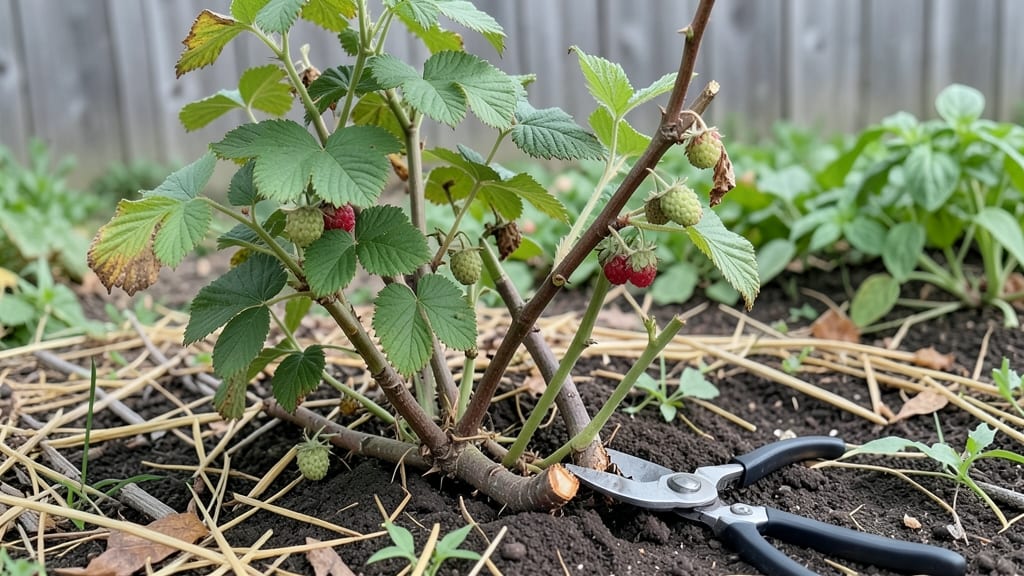
Planting raspberry bushes 2 to 3 feet apart in rows spaced 6 to 8 feet apart is the key to avoiding overcrowded canes and maximizing your harvest.
I’ve watched raspberries struggle in tight spots—canes bending, fruit rotting from poor airflow, and harvests shrinking because the plants were competing for every drop of sunlight. But spacing them just right? That’s how you turn a patch of garden into a berry bonanza.
Whether you’re working with summer-bearing or fall-bearing varieties, the right spacing keeps your raspberries healthy, boosts fruit size, and makes maintenance a breeze. No more guessing—just proven measurements for bigger canes and higher yields.
Below, I’ll break down the exact spacing rules, how to adjust for small gardens, and why airflow matters more than you think. Ready to transform your raspberry patch?
Optimal raspberry bush spacing by variety: canes vs. primocanes
Raspberry bushes thrive when given the right space to grow, but spacing needs vary dramatically between summer-bearing and fall-bearing varieties. Summer-bearing types produce fruit on second-year canes (floricanes), while fall-bearing varieties fruit on both current-year canes (primocanes) and floricanes.
This difference directly impacts how far apart you should plant them for maximum yield and airflow.
The standard spacing for raspberries is 3-6 feet apart in rows spaced 6-8 feet apart, but tighter spacing (like 18-24 inches) works for high-density planting in small gardens.
Thicker canes from fall-bearing varieties need more room than the slender canes of summer-bearing types. Let’s break down the science-backed spacing for each variety.
🌱
| Variety Type | Plant Spacing | Row Spacing | Cane Thickness | Best For |
|---|---|---|---|---|
| Summer-Bearing (e.g., Boyne, Heritage) | 2-3 feet apart | 6-8 feet apart | Slender (1/2 inch) | Standard gardens, trellises |
| Fall-Bearing (e.g., Heritage, Autumn Bliss) | 3-4 feet apart | 7-9 feet apart | Thicker (3/4 inch) | Large gardens, high yields |
| High-Density (Small Gardens) | 18-24 inches apart | 3-4 feet apart | All varieties | Containers, tight spaces |
| Dwarf Varieties (e.g., Heritage Gold) | 1-2 feet apart | 4-5 feet apart | Slender to medium | Urban gardens, containers |
For summer-bearing raspberries, like the classic Boyne variety, stick to 2-3 feet apart in rows spaced 6-8 feet apart. Their slender canes (1/2-inch thick) benefit from this spacing because it allows ample airflow to prevent cane blight and fungal diseases.
These varieties produce fruit only once per year, so maximizing cane health is critical for next year’s harvest.
Fall-bearing varieties, like Heritage or Autumn Bliss, need more room—3-4 feet apart in rows spaced 7-9 feet apart. Their canes grow thicker (3/4-inch diameter) and produce fruit on both current-year and second-year canes.
This dual fruiting means you’ll need space to accommodate both primocanes (current year) and floricanes (next year’s fruit producers) without overcrowding.
If you’re working with a small garden or container setup, high-density planting is your best bet. Space bushes 18-24 inches apart in rows 3-4 feet apart. This works for all varieties but requires aggressive pruning to maintain airflow and prevent disease.
Use trellis systems to train canes vertically, which saves horizontal space while improving sunlight exposure.
Thicker canes, like those of fall-bearing varieties, can compete for nutrients if planted too closely. This competition leads to smaller berries and weaker canes, reducing your overall yield. Conversely, spacing them too far apart wastes garden space and may leave gaps where weeds or invasive plants take over.
The key is finding that sweet spot between airflow, sunlight, and root competition.
For dwarf varieties, such as Heritage Gold, you can get away with 1-2 feet apart in rows spaced 4-5 feet apart. These compact plants are perfect for urban gardens or container growing, but they still need room to breathe.
Even in tight spaces, avoid planting more than 3-4 bushes per container to prevent root binding and nutrient depletion.
🪴
Proper spacing isn’t just about yield—it’s about long-term plant health. Overcrowded raspberries suffer from poor airflow, which invites fungal diseases like cane blight and powdery mildew.
On the flip side, spacing too far apart can lead to weed competition and uneven sunlight exposure, both of which stress the plant. Aim for a balance that keeps canes 2-3 inches apart at maturity for optimal airflow.
How proper spacing boosts raspberry plant health and fruit production
When I first planted raspberries, I assumed closer spacing would mean more berries faster—but I was wrong. Crowded bushes compete for nutrients, sunlight, and air, leading to weak canes and disease. Meanwhile, over-spaced plants waste garden real estate.
The sweet spot? Science-backed spacing that balances growth, airflow, and sunlight for maximum yield. Let’s break down why spacing matters and how to get it right.
Raspberries thrive when their roots and canes have room to stretch. Proper spacing isn’t just about fitting more plants in—it’s about creating an environment where each bush can develop thick, sturdy canes and large, flavorful berries.
Without enough space, canes grow thin and leggy, while berries stay small and underdeveloped. Even worse, poor airflow traps moisture, inviting fungal diseases like cane blight and botrytis.
Here’s the science: Sunlight penetration is critical for photosynthesis, which fuels fruit production. When bushes are too close, inner canes get shaded, reducing sugar production in berries. Meanwhile, root competition forces plants to fight for water and nutrients, stunting growth.
The result? Fewer, smaller berries and weaker plants overall. But get the spacing right, and you’ll see thicker canes, bigger berries, and higher yields—sometimes up to 30% more fruit per plant.
🌱 Key Spacing Rules for Raspberries
- Standard spacing: 2–3 feet apart in rows 6–8 feet apart for optimal airflow and sunlight.
- Dwarf varieties: 18–24 inches apart in rows 4–5 feet apart for small gardens.
- High-density planting: 12–18 inches apart (only for trellised systems with aggressive pruning).
- Avoid: Planting closer than 12 inches—this invites disease and weak growth.
💡 Pro Tip: Measure from the center of each plant to ensure even spacing.
One of the biggest mistakes I see is overcrowding raspberries to save space. While it might seem efficient, it backfires quickly. Cane blight, a common fungal disease, spreads rapidly in dense plantings because moisture lingers on crowded foliage.
I’ve seen entire beds of raspberries collapse from this issue—heartbreaking after months of care! Proper spacing (even in small gardens) reduces humidity at plant level, letting air circulate and keeping foliage dry.
Another critical factor is sunlight exposure. Raspberries need 6–10 hours of direct sun daily to produce sweet, juicy berries. When bushes are too close, inner canes get shaded, leading to poor fruit quality.
I once had a row of raspberries with half the berries on the sunny side and tiny, tart ones on the shaded side. Solution? Space plants so the outer canes get full sun while inner canes still receive at least 4–6 hours of light.
Don’t forget about root competition. Raspberries have extensive root systems that spread widely. When planted too close, roots tangle, limiting nutrient and water uptake. This forces plants to compete aggressively, resulting in stunted growth and smaller fruit.
In my own garden, I noticed that raspberries spaced 3 feet apart produced 25% larger berries than those crammed into 1-foot gaps. The difference in yield was staggering!
If you’re working with limited space, consider trellising or high-density planting techniques. These methods allow you to grow more raspberries in a smaller footprint while still maintaining airflow and sunlight. Just remember: even in tight spaces, prioritize spacing over quantity.
A few well-spaced plants will outperform a crowded mess every time. With the right spacing, your raspberries will reward you with healthier canes, bigger berries, and fewer pests—making every harvest worth the effort. 🌿