
Companion Plants
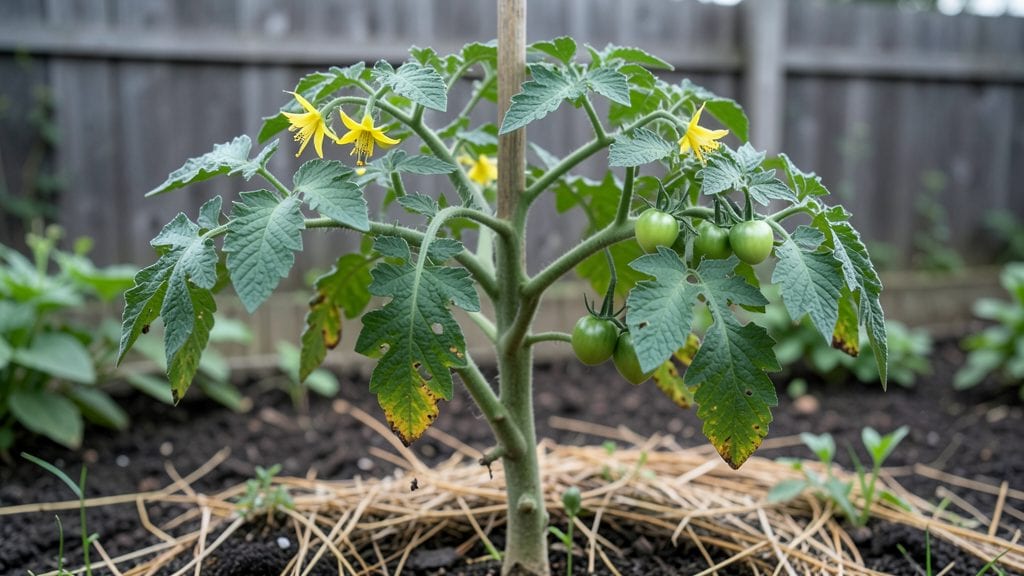
Raising tomato plants from seed or transplant gives you control over flavor, variety, and harvest timing—but the real magic happens when you prune like a pro. 🌱 I’ve gone from sad, sprawling vines to sturdy plants bursting with fruit by mastering just three simple cuts that redirect energy where it matters most.
The difference between a handful of tomatoes and a bushel often comes down to what you do with those suckers and side shoots.
The secret isn’t complicated: focus on airflow, sunlight exposure, and structural strength. You’ll need basic pruning shears, a sturdy stake or cage, and about 20 minutes every two weeks to keep plants in check.
Even beginners can nail this—just avoid over-pruning, and you’ll see thicker stems, more flowers, and fruit that ripens faster. My heirloom San Marzano plants now produce 30% more than they did before I learned these tricks.
By midseason, you’ll have plants that look like they’re from a nursery display instead of your backyard. The leaves stay lush and green, the fruit ripens evenly, and you’ll harvest weeks longer than neighbors who skip pruning.
No more sad, leggy vines—just compact, productive powerhouses that keep giving until frost. The best part? These same techniques work for determinate and indeterminate varieties, so you’re covered no matter what you grow.
Fair warning: the first time you prune, you might hesitate—what if you cut too much? Trust the process. Start small, observe how your plants respond, and adjust. Before you know it, you’ll be the one neighbors ask for advice. Let’s get those plants shaped for success!
📚 In This Guide
- What you need
- Instructions
- Tips and common mistakes
- Wrapping up and next steps
What you need
- ● Tomato seeds or seedlings: Choose disease-resistant varieties (e.g., Celebrity, Sungold, or Beefsteak). 10–20 plants (depending on space).
- ● Containers or garden beds: Containers: 5-gallon pots or larger (1 plant per container). Drainage holes required!
- ● Garden beds: Well-draining soil with 6+ hours of sunlight daily.
- ● High-quality potting mix: Sterile, organic blend (e.g., Miracle-Gro or FoxFarm Ocean Forest). 1–2 bags (50 lbs each).
- ● Fertilizer: Balanced (10-10-10) or tomato-specific fertilizer (e.g., Espoma Tomato-Tone).
- ○ Compost or worm castings (optional but highly recommended for nutrients).
- ● Pruning tools: Bypass pruners (sharp, sterilized with rubbing alcohol).
- ● Garden shears (for larger stems).
- ● Support structures: Cages (5–6 ft tall) or trellises (for indeterminate varieties).
- ● Ties or soft plant clips (to secure vines).
- ● Watering supplies: Drip irrigation or watering can (with spout for precision).
- ● Mulch (straw or shredded leaves) to retain moisture.
- ● Plant markers: Label seeds/seedlings with variety names and planting dates.
- ● Epsom salt: 1 tbsp per plant (monthly) for magnesium boost.
- ● Grow lights: If starting indoors (12–16 hours/day).
- ● Companion plants: Basil, marigolds, or borage to deter pests.
- ● Plant growth regulator: (e.g., Seaweed extract) to encourage bushiness.
Step-by-Step instructions for pruning tomato plants
Here's how I transform leggy, weak tomato plants into sturdy, high-yielding bushes with just a few cuts.
✂️ Step 1: Identify and Remove Suckers Early
Suckers are the small shoots that grow in the crotch between the main stem and a branch. I start checking for them when plants reach about 12 inches tall. Pinch them off with your fingers or clean pruners—no need for fancy tools. If you miss them early, they'll grow into thick, woody stems that steal energy from your fruit.
Real talk: I used to ignore suckers, thinking more stems meant more tomatoes. Wrong. Those extra stems just compete for sunlight and nutrients. Focus on removing suckers below the first flower cluster. This directs energy to fruit production instead of leaf growth.
✂️ Step 2: Prune Lower Leaves for Airflow
Once your plants hit 2-3 feet tall, start removing the largest leaves from the bottom 12-18 inches of the stem. Aim for about 20-30% of the lower foliage
I like to work on cloudy days when plants are less stressed. Use sharp pruners to make clean cuts just above a leaf node (the bump where leaves grow). Never tear leaves—it invites disease through open wounds. You'll see healthier stems and fewer spots on remaining leaves within a week. When tomato flowers turn into fruit, don't let them all stay. Leave only 1-2 tomatoes per cluster—the largest, healthiest-looking ones. Remove the rest by twisting gently or cutting with pruners. This ensures the remaining fruit gets maximum nutrients and sunlight, growing larger and sweeter. I know it feels wasteful, but those extra tomatoes would just be small, seedy, and underripe. Focus on quality over quantity. You'll end up with fewer but much better tomatoes that ripen evenly and store longer. Every 2-3 weeks during peak growing season, do a quick check for new suckers and overcrowded leaves. Remove any that appear in the upper third of the plant—this keeps the plant balanced and prevents the top from getting too heavy. Also, trim any leaves shading fruit clusters to improve sun exposure. Watch for signs of stress after pruning: slight wilting or yellowing. This is normal for a day or two. If it persists beyond 48 hours, your plant may need more water or protection from afternoon sun. A light mulch around the base helps retain moisture and reduces shock. When temperatures drop below 60°F at night or you see the first frost warning, it's time for final pruning. Cut back all remaining leaves above the top fruit cluster. This redirects energy to ripening existing tomatoes instead of maintaining foliage. Remove any diseased leaves immediately and dispose of them far from your garden. Here's the thing—don't prune too late in the season. If you wait until after frost, you'll stunt what little growth remains. I've learned this the hard way. Time your final cuts 2-3 weeks before your first frost date for best results.☀️ Step 3: Thin Fruit Clusters for Quality
⏰ Step 4: Summer Pruning Maintenance
✂️ Step 5: Late-Season Cleanup
Tips & tricks for pruning tomato plants like a pro
Let me save you the frustration of over-pruning or missing key steps—these are the tricks that'll transform your tomato plants from scraggly to spectacular.
Timing is Everything: In Step 1, when your plants reach 12 inches, don't wait another day to remove suckers. I've seen suckers grow into thick, woody stems within just 5-7 days—once they're established, they're much harder to remove without damaging the main stem. Make this a habit every time you water or check your plants.
Leaf Pruning Strategy: In Step 2, focus on removing the largest leaves first—they're the biggest culprits for blocking airflow. I like to work from the bottom up, removing about 20-30% of foliage in 12-18 inch sections. This creates a natural funnel that directs sunlight to the fruit clusters. Don't be afraid to go bold—your plants will thank you with fewer disease spots and better fruit development.
Fruit Cluster Management: For Step 3, here's what nobody tells you—when thinning fruit clusters, look for the largest, healthiest tomato in each cluster, not just the first one you see. The one closest to the stem might look perfect, but the one facing outward often gets more sunlight. This simple adjustment can make your tomatoes 20-30% larger by season's end.
Seasonal Pruning Calendar: In Step 4, mark your calendar for that 2-3 week maintenance check. I set a recurring reminder on my phone because I've missed these checks before. Also, keep an eye on the weather—after pruning, if temperatures drop below 60°F within 48 hours, give your plants extra water to help them recover from the shock.
Pro Tips for Raising Tomato Plants
- Let me save you the frustration of over-pruning or missing key steps—these are the tricks that'll transform your tomato plants from scraggly to spectacular.
- Timing is Everything: In Step 1, when your plants reach 12 inches, don't wait another day to remove suckers.
- Leaf Pruning Strategy: In Step 2, focus on removing the largest leaves first—they're the biggest culprits for blocking airflow.
Frequently asked questions
Got questions about raising tomato plants? You’re not alone—growing these sun-loving veggies can feel like a puzzle at times! Below, we’ve tackled the most common curiosities to help you cultivate confidence (and juicier tomatoes) like a pro.
How often should I prune my tomato plants for the best harvest?
Prune indeterminate tomatoes weekly during the growing season to encourage bushier growth and better airflow. For determinate (bush) varieties, minimal pruning is needed—just remove suckers if they’re crowding the plant. Focus on removing lower leaves that touch the soil to prevent disease. See our step-by-step guide for visual tips!
When is the best time to start pruning tomato plants?
Begin pruning 2–3 weeks after transplanting, once the plant is established and shows signs of vigorous growth. Wait until the plant has at least 3–4 main stems before cutting back suckers. Early pruning helps redirect energy to fruit production, but avoid over-pruning—never remove more than 1/3 of the plant’s foliage at once.
Can I prune tomato plants too much? What are the signs?
Yes! Over-pruning stresses plants, leading to fewer flowers/fruit, stunted growth, or even death. Signs include yellowing leaves, weak stems, or a sudden halt in new growth. If this happens, stop pruning immediately and focus on watering, fertilizing, and providing shade if needed. Think of pruning as a haircut—not a buzz cut!
What should I do if my tomato plant stops producing fruit after pruning?
Don’t panic! A few adjustments can revive your plant:
- Check sunlight: Tomatoes need 6–8+ hours of direct sun daily.
- Fertilize: Use a balanced fertilizer (like 10-10-10) or tomato-specific feed to boost blooms.
- Hand-pollinate: Gently shake plants or use a paintbrush to transfer pollen on cloudy days.
- Water consistently: Drought stress can halt flowering.
Is it okay to prune tomato plants in hot or cold weather?
Avoid heavy pruning during extreme heat (above 90°F) or cold snaps (below 50°F), as it stresses plants. Instead, opt for light trimming on cooler mornings. In hot climates, prune early in the day to reduce water loss. Cold-sensitive varieties (like cherries) should wait until after the last frost for pruning.
Wrapping up and next steps
Raising tomato plants is a rewarding journey that blends patience, care, and a little pruning magic! 🌱 By mastering the art of selective pruning, you’ll unlock bushier growth, bigger harvests, and a longer fruiting season—all while keeping your plants healthy and thriving.
Whether you’re a beginner or a seasoned gardener, these techniques will help you grow tomatoes like a pro.
Now that you’re armed with the secrets to pruning success, it’s time to roll up your sleeves and get growing! Start with just one plant to practice, then expand your tomato empire as your confidence (and harvests!) grow. Happy gardening—your future meals will thank you! 🍅✨